
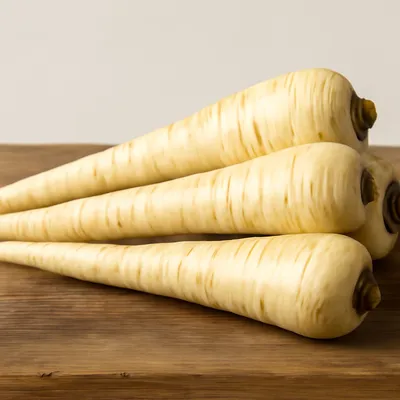
Yankee pot roast is the New England Sunday dinner: a tough, well-marbled cut of beef chuck browned hard, then braised for hours with onions and a winter garden's worth of root vegetables — carrots, parsnips, turnip, celery — until the meat pulls apart and the pan liquid becomes a clean, beefy gravy. It is defined by its plainness. There is no wine and no cream, no exotic spice; the Yankee version leans thrifty and savory, sometimes with just a splash of cider or vinegar to brighten it. The roots cook down into the sauce and the whole pot feeds a table from one cheap cut, which is exactly the point.




Pot roast is braising, an old and universal technique, but 'Yankee pot roast' is the specifically New England form of it, and its lineage runs through several immigrant braises. It descends partly from the New England boiled dinner — beef and root vegetables simmered in one pot — and partly from the French boeuf à la mode and the German vinegar-marinated sauerbraten that immigrants brought to America, both ways of making a tough cut tender and flavorful. The bridge into the American canon is Fannie Farmer's 1896 Boston Cooking-School Cook Book, which gave a 'Beef à la Mode' — beef seared and braised with carrots and onions — that is essentially the template later cooks called Yankee pot roast. What marks the Yankee version off from its richer cousins is restraint: meat, root vegetables, and broth, with at most a splash of cider, vinegar, or tomato echoing the old sauerbraten tang, and no wine or cream.
The beef comes apart into soft, juicy shreds that have soaked up the deep, roasty flavor of their own browned crust; it is savory rather than sweet, with the long-cooked richness of collagen turned to silk. The carrots and parsnips are meltingly tender and faintly sweet, the turnip earthy, all of them carrying the meaty gravy. That gravy is glossy and clean-tasting, sometimes with a whisper of cider tartness cutting the richness, and the whole plate eats warm, soft, and deeply homey.
Chuck is full of connective tissue and fat, which is why it suits a long, wet, low braise: collagen needs hours of moist heat above roughly 70°C to break down into gelatin, and that gelatin is what makes the meat feel tender and gives the gravy its body. A hard initial sear is non-negotiable — the Maillard reaction on the dry surface builds the brown, roasted flavor compounds that plain simmering can never produce, and the browned fond left in the pot dissolves into the braising liquid. The meat is cooked partly submerged, not boiled in a flood, so the exposed top roasts while the bottom stews. Root vegetables go in later than the meat because they need far less time; a touch of acid from cider, vinegar, or tomato both brightens the rich sauce and helps soften the connective tissue.
Variations
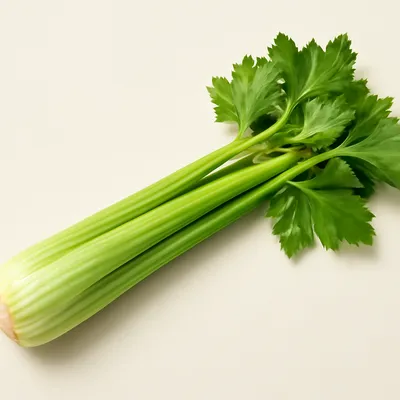
The classic uses chuck, but brisket and bottom round are common; the vegetable mix is flexible — carrots and onions always, then parsnip, turnip, celery, and sometimes potatoes added late so they don't fall apart. Many New England cooks add a splash of cider or cider vinegar, and some stir in a spoonful of tomato paste, both nods to the sauerbraten tang in the dish's ancestry. The braising liquid is usually thickened into gravy with a flour or cornstarch slurry at the end. Leftovers traditionally become hash, and the same method underlies the older New England boiled dinner from which it partly descends.
On the Palate
Where Yankee Pot Roast sits in the American flavor cloud
Ingredients
Serves 6
How it's made
6 steps · 25 min
- 115 min
Pat a chuck roast dry, season it well with salt and pepper, and sear it hard on all sides in a heavy pot until deeply browned, then set it aside.
Watch outSear the chuck hard on every side until deeply browned — that Maillard crust builds the roasted flavor a plain simmer never can.
- 26 min
Brown chopped onion in the rendered fat, scraping up the browned bits stuck to the bottom of the pot.
- 3150 min
Return the beef, pour in beef stock to come partway up, add a bay leaf and a splash of cider or cider vinegar, then cover and braise low — in the oven or on the stovetop — for about two and a half hours.
Watch outBraise low with the beef only partway submerged — a bare simmer above 70°C slowly melts the collagen into tender, gelatin-rich meat.
- 445 min
Add the carrots, parsnips, turnip, and celery, then continue braising until the vegetables are tender and the meat pulls apart easily, about another 45 minutes.
Watch outAdd the roots later so they turn tender just as the meat pulls apart — in too early and they cook to mush.
- 55 min
Lift the meat and vegetables out and keep them warm while you skim fat from the liquid.
- 610 min
Thicken the strained braising liquid into gravy, slice or pull the beef, and serve it with the roots and plenty of gravy.
Archive tool suggestions — not reviewed
These legacy suggestions have not been evidence-reviewed and are not presented as required tools.



