
A New Mexican braise of cubed pork shoulder cooked slowly in a sauce of nothing but pure red chile. The sauce is built from whole dried New Mexico red pods (Hatch or Chimayó), rehydrated and pureed with garlic, Mexican oregano and cumin, with no tomato and no chili powder. The pork marinates in the chile paste, then bakes or simmers until it is fork-tender and stained deep brick-red. It is served as a plate with rice and beans, rolled into a breakfast burrito, or spooned over stacked enchiladas.
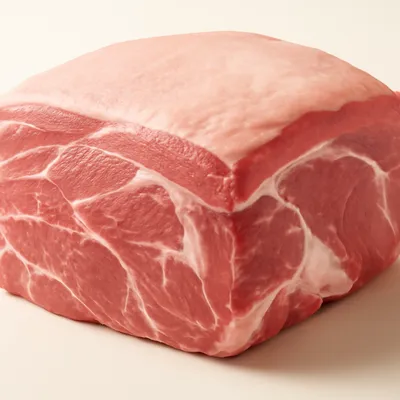


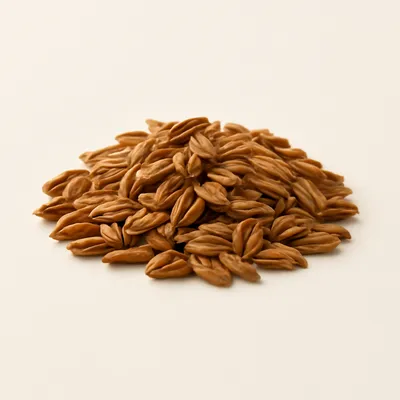

Carne adovada descends from the Spanish verb adobar — to marinate meat in an acidic, seasoned paste for preservation — carried to New Mexico by Spanish colonists. Lacking the vinegar and citrus of the Old World but inheriting the chile that Pueblo peoples had long cultivated and dried, Hispano cooks substituted ground red chile for the acid, producing a marinade that both flavored and preserved pork through winter before refrigeration. The dish has no single inventor or recorded first date; it is a colonial-era folk preparation that became, with the green chile cheeseburger, one of the two dishes most identified with New Mexico.
The pork falls into moist, ragged shreds the moment a fork touches it, each piece soaked through with chile rather than merely coated. The flavor is pure dried-red-chile: earthy, faintly fruity, with a slow heat that builds across the plate rather than spiking. There is no tomato sweetness and no sour vinegar edge — just chile, pork fat, garlic and a thread of cumin. A good adovada is loose and saucy, the red sauce thick enough to cling, never thin or watery.
Dried red pods are used whole, not as powder: the seeds and stems are removed, the pods toasted briefly, then rehydrated in hot water and blended to a smooth puree, which gives a cleaner, fruitier chile flavor than commercial chili powder. The acid for the marinade comes from the chile itself rather than vinegar. The cube of pork shoulder is then braised low and long — typically 150°C in a covered dish for two to three hours — so its abundant collagen melts to gelatine, leaving the meat tender and the sauce body-rich. Because the dish is essentially meat cooked in concentrated chile, the quality of the New Mexico pods governs the result entirely.
Variations
The chile may be Hatch (Mesilla Valley) or Chimayó (a heirloom northern landrace prized for its sweeter, more complex flavor). Some cooks add a touch of honey or piloncillo to round the heat; purists use only chile, garlic and oregano. The dish is the standard filling for a New Mexico breakfast burrito and is layered into stacked enchiladas. It is distinct from Mexican carne adobada and from al pastor, both of which use a vinegar-based achiote or guajillo adobo rather than pure New Mexico red.
On the Palate
Where Carne Adovada sits in the American flavor cloud
Carne adovada is pork cooked in concentrated chile, so the make-or-break move is building the sauce from whole rehydrated New Mexico pods — toasted, soaked and pureed — rather than commercial chili powder, then braising low and long until the shoulder shreds.
Ingredients
Serves 6How it's made
7 steps · 40 min
- 110 min
Stem and seed about 20 dried New Mexico red chile pods, then toast them in a dry pan for under a minute until fragrant.
Watch outToast the pods just until they smell fragrant and turn pliable — pull them the instant they start to smell sharp or scorched.
- 220 min
Cover the pods with hot water and soak 20 minutes until soft and pliable.
- 310 min
Blend the soaked pods with garlic, Mexican oregano, cumin, salt and a cup of the soaking liquid into a smooth puree.
Watch outBlend with the soaking liquid until fully smooth and pourable, with no gritty flecks of skin left.
- 415 min
Cut pork shoulder into 4 cm cubes and toss thoroughly with the chile puree until every piece is coated.
- 5120 min
Marinate, covered, in the refrigerator for at least 2 hours or overnight for deeper flavor.
- 6165 min
Transfer to a covered dish and braise at 150°C for 2 to 3 hours, stirring once, until the pork shreds easily.
Watch outIt is ready when the pork shreds at the nudge of a fork and the sauce has thickened and gone glossy.
- 75 min
Adjust salt, let rest briefly, and serve with rice and beans or in a warm tortilla.
Archive tool suggestions — not reviewed
These legacy suggestions have not been evidence-reviewed and are not presented as required tools.



