
Crisp, tender shortbread cookies made with lard and flavored with anise seed, rolled thin, cut into shapes, and finished with a coating of cinnamon sugar. The lard gives them a short, melting crumb quite unlike a butter cookie, and the anise gives a clean licorice note. They are a New Mexican holiday staple set out for Christmas, weddings, baptisms, and other celebrations. In 1989 New Mexico named the biscochito its official state cookie, the first U.S. state to designate one.
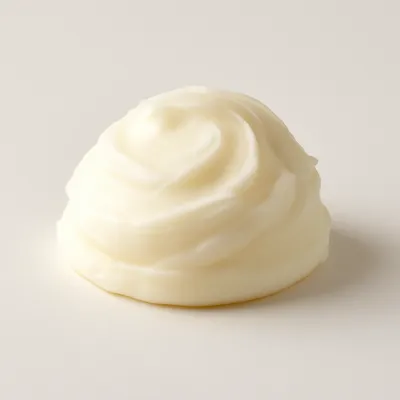


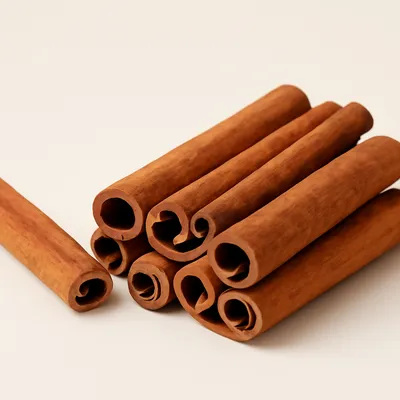
The cookie descends from Spanish baking carried into New Mexico in the colonial era, with roots in the lard-based shortbreads of Spain such as mantecados; in southern New Mexico it is often called a biscocho. New Mexico made it the official state cookie in 1989 through House Bill 406, becoming the first state to adopt one, and the legislation set out a recipe with flour, sugar, lard, eggs, anise, and a leavening, finished in cinnamon sugar. The cookie's deep tie to Christmas, weddings, and church celebrations reflects its Hispano-Catholic heritage in the region.
They snap cleanly at the edge and then go sandy and tender on the tongue, melting rather than chewing. The anise reads first, cool and faintly licorice, before the cinnamon-sugar coating turns warm and sweet. The lard leaves a rich, smooth finish with none of the waxiness of an all-butter cookie. Best with coffee or hot chocolate, into which they are made for dunking.
Lard is the structural choice: its fat crystals coat flour proteins and block gluten development, producing the short, crumbly bite, and because lard is nearly pure fat with little water it bakes drier and more tender than butter. Some recipes add a splash of brandy, whose alcohol limits gluten further and flashes off in the oven for extra flakiness. The dough is rolled thin and baked just until the edges set and barely color, so the cookies stay pale and crisp, and the cinnamon sugar is pressed on while warm so it clings.
Variations
Cooks differ over the liquid: brandy is traditional, but some use wine, orange juice, or just water. Anise seed is standard, though some steep it or add a little orange zest. The classic shape is a fleur-de-lis or simple round, and while all-butter or shortening versions exist, purists hold that real biscochitos must be made with lard.
On the Palate
Where Biscochitos sits in the American flavor cloud
Ingredients
Serves 24How it's made
6 steps · 40 min active + 20 min waiting
- 110 min
Cream lard with sugar until light, then beat in egg and crushed anise seed (and a splash of brandy, if using).
Watch outCream the lard and sugar until pale and fluffy — that aeration lightens the dense fat; under-creamed and the cookies bake heavy instead of short and crumbly.
- 28 min
Whisk flour with a little baking powder and salt, then stir into the lard mixture to form a stiff dough.
- 315 min
Chill the dough briefly, then roll it about a quarter inch thick on a floured surface.
- 410 min
Cut into shapes and arrange on baking sheets a little apart.
- 512 min
Bake at 350°F until the edges are just set and barely golden, about 10 to 12 minutes.
Watch outPull them the moment the edges just set and barely colour — they should stay pale; let them brown and you lose the tender, sandy snap.
- 68 min
Toss or press the warm cookies in cinnamon sugar and cool on a rack.
Archive tool suggestions — not reviewed
These legacy suggestions have not been evidence-reviewed and are not presented as required tools.


