


Po' boy is documented to 1929 New Orleans, when brothers Bennie and Clovis Martin (former streetcar conductors) opened a coffee stand and restaurant in the French Market (around 1922) and during the streetcar workers' strike fed striking workers free sandwiches, calling out as one walked in: "Here comes another poor boy." The Martins commissioned a special baguette from John Gendusa's bakery — flat-sided so it'd lay flat in storage and uniform in length. Leidenheimer Baking Company has supplied most NOLA po' boy bread since 1896.
1929 New Orleans, Bennie and Clovis Martin — former streetcar conductors feeding striking workers free sandwiches: "Here comes another poor boy." Leidenheimer (1896) still bakes the bread, flat-sided and brittle-crusted by design.
First bite: the baguette shell shatters audibly — flakes go everywhere — then the soft white crumb absorbs the mayo and hot sauce. Shrimp are crackly outside, hot and almost-creamy inside. Iceberg gives that wet, ice-cold crunch you can only get from iceberg. Pickle vinegar and Tabasco cut the fry. By the second half the bottom of the bread is soaked through and slightly sweet from gravy. A po' boy on a non-NOLA baguette is just a hoagie — it must crackle.
The bread is the engineering. New Orleans French bread uses lower-protein flour and a long room-temperature ferment to produce an extremely thin, brittle crust over a tender, almost cottony crumb — opposite of a French country loaf. This crust shatters cleanly under bite pressure instead of tearing; the soft crumb absorbs liquid without going slimy. The shrimp use cornmeal (not flour) coating because it crisps faster, holds crunch longer when wet, and adds toasted-corn aroma the French bread lacks.
Variations
Roast beef po' boy (debris-style, gravy-soaked, at Mother's Restaurant); fried oyster (Domilise's, since 1918); fried shrimp (Parkway Bakery); soft-shell crab in season; Parasol's makes a roast-beef-debris that's the wet benchmark.
On the Palate
Where Po' Boy Sandwich sits in the American flavor cloud
Ingredients
Serves 2
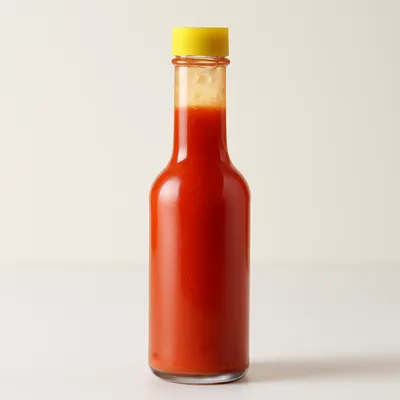
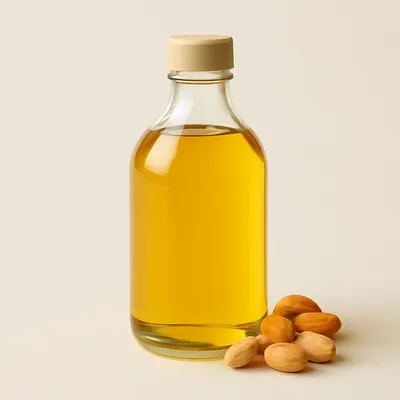
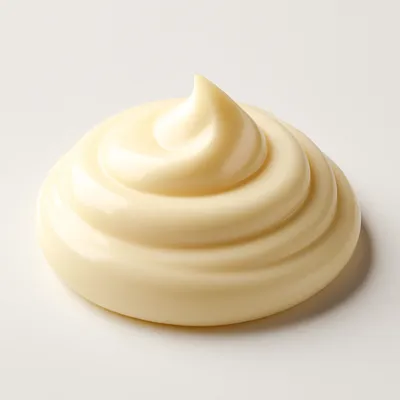


How it's made
5 steps · 30 min active + 5 min waiting
- 18 min
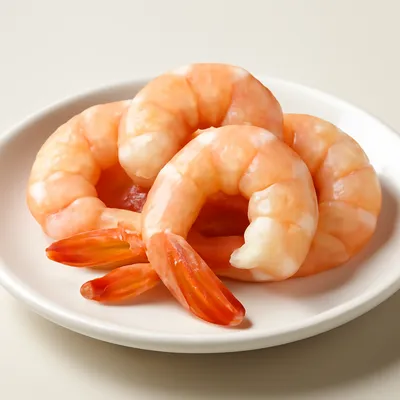
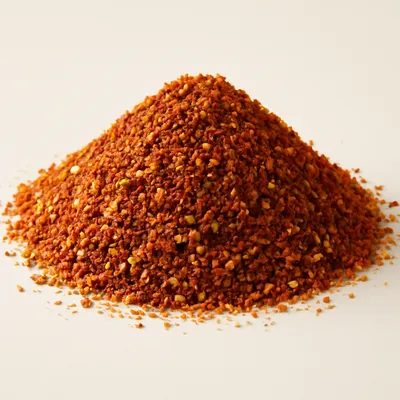
Pat 400g peeled large shrimp dry. Season with 1 tsp salt, 1/2 tsp cayenne, 1 tsp paprika. In a wide bowl mix 200g fine yellow cornmeal, 100g all-purpose flour, 1 tbsp Cajun seasoning, 1 tsp salt. In another bowl whisk 250ml buttermilk with 2 tsp Tabasco.
- 28 min
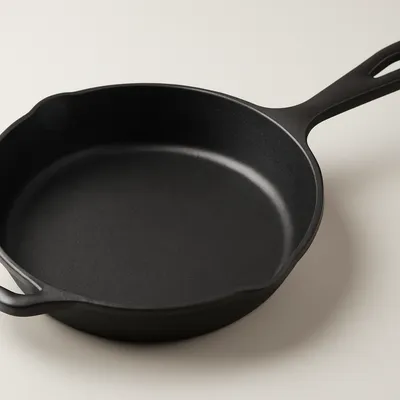
Heat 3cm peanut oil in a cast-iron skillet to 175°C (350°F). Dip each shrimp in buttermilk, then dredge in cornmeal mix, pressing to coat. Fry in batches 2 minutes — shrimp turn golden and float. Drain on a wire rack.
Watch outCornmeal-coated shrimp brown in 90 seconds — pull at golden, not deep brown, or the centers overcook.
- 35 min
Take 2 fresh New Orleans-style French baguettes (Leidenheimer if you can get one — pale, light, cracker-thin shell). Slice lengthwise without cutting through. Lightly toast cut-side-down in a 200°C oven 3 minutes — the bread should crackle when squeezed.
Watch outDon't substitute French boule or Italian bread — those are too dense. The whole point of NOLA bread is the eggshell crust + airy crumb.
- 45 min
Spread 4 tbsp mayonnaise (Blue Plate brand if available) on both interior sides. Layer: shredded iceberg lettuce, sliced tomato, dill pickle chips, then pile fried shrimp on top. Splash 2 tsp Crystal hot sauce or Tabasco.
- 52 min
Close the sandwich, press gently. Slice each baguette in half on the diagonal. Serve immediately on butcher paper — a po' boy waits for no one (the bread softens fast under the wet filling).
Archive tool suggestions — not reviewed
These legacy suggestions have not been evidence-reviewed and are not presented as required tools.