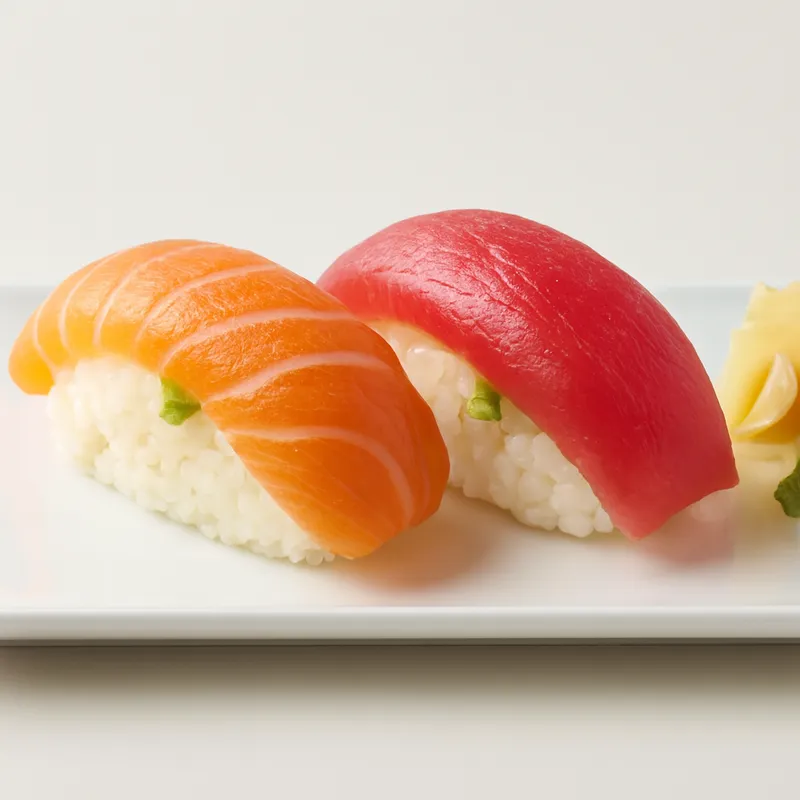
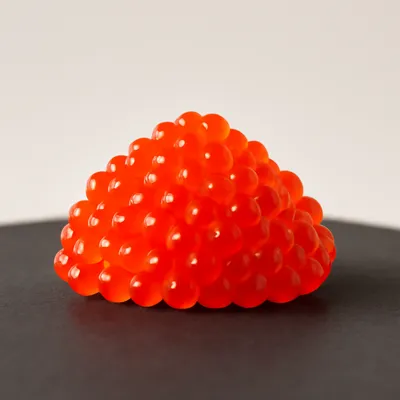
Inside-out maki sushi with rice on the outside, nori inside, filled with avocado, imitation or real crab, and cucumber — usually rolled in toasted sesame or tobiko.
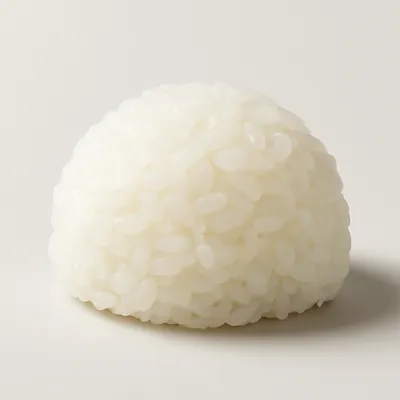


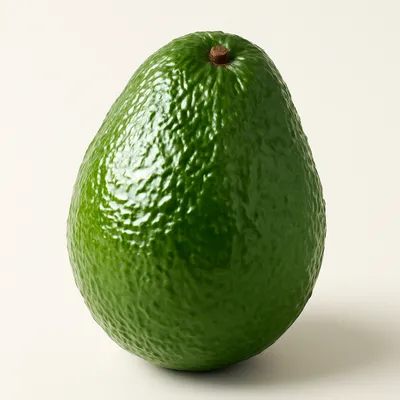
The California roll is generally credited to Ichiro Mashita, a sushi chef at Tokyo Kaikan in Little Tokyo, Los Angeles, in the early 1970s. American diners were squeamish about raw fish and nori, so Mashita substituted avocado for fatty tuna (toro) and turned the roll inside-out to hide the seaweed. It became the gateway sushi for a generation of American eaters and is now reimported to Japan as a recognized variation. A competing claim from Vancouver chef Hidekazu Tojo (1970s) exists but is less corroborated.
Ichiro Mashita at Tokyo Kaikan in Little Tokyo, LA, early 1970s. He swapped toro for avocado (both ~15% fat — the substitution works on a sensory level, not just visual) and turned the roll inside-out to hide the nori.
Cool, soft, almost creamy in the mouth — the avocado does most of the texture work. Rice on the outside is sticky and slightly sweet, sesame seeds adding a toasted edge. Crab is mild, the cucumber gives the only real crunch. No raw fish, no strong fishy taste — that's the whole point. Dipped corner-first in soy sauce so the rice doesn't drown. The reference is a workmanlike $10 roll at any neighborhood Japanese-American spot, not a high-end omakase counter — California roll was always meant to be approachable.
Two technical tricks make the inside-out roll work. First: rice on the outside requires a wetter hand and looser packing, otherwise the grains crush and the roll cracks. Second: avocado replaces toro because both contribute the same mouthfeel — about 15% fat content, soft enough to mash on the tongue. That fat-mimicry is why the substitution works on a sensory level, not just a visual one. Sesame or tobiko on the outside is functional too: it grips the chopsticks and prevents slipping.
Variations
Tokyo Kaikan original (crab + avocado + cucumber); Vancouver Tojo's rolled-tight «Tojo roll» (Hidekazu Tojo, competing claim); Spider roll (soft-shell crab); Rainbow roll (sashimi draped on top).
On the Palate
Where California Roll sits in the American flavor cloud
Ingredients
Serves 4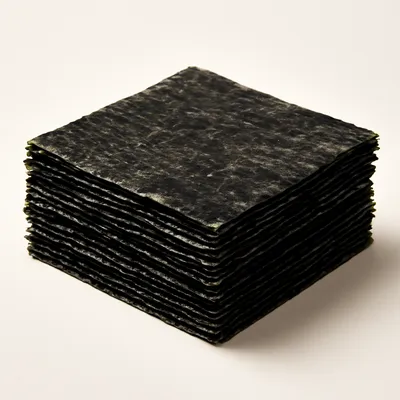



How it's made
7 steps · 40 min active + 20 min waiting
- 118 min
Rinse 300g short-grain Japanese sushi rice in cold water until water runs almost clear — about 4 changes. Drain 15 minutes.
Watch outSkipping the drain leaves surface water that throws off the rice-to-water ratio and the cooked rice goes mushy.
- 225 min
Cook rice with 330ml water in a rice cooker or covered pot — bring to boil, lower to lowest heat 15 minutes, rest covered 10 minutes off heat.
- 310 min
Warm 60ml rice vinegar + 30g sugar + 1 tsp salt until sugar dissolves. Spread hot rice in a wide bowl, drizzle vinegar, fold gently with a wet rice paddle while fanning to cool. Rice should be glossy and body-warm, not hot.
Watch outCrushed grains turn pasty. Fold with the side of the paddle, never stir.
- 48 min
Cut 1 ripe avocado into ½cm-thick slices. Cut 1 small Persian cucumber into ½cm matchsticks 18cm long. Have 200g real lump crab or imitation crab (kanikama) sticks ready, lightly tossed with 1 tbsp Kewpie mayonnaise.
- 54 min
Wrap a bamboo rolling mat in plastic wrap. Place a half sheet of nori shiny-side down. Wet your hands; spread 100g rice evenly across the nori, leaving the surface bumpy not packed. Sprinkle 1 tsp toasted sesame seeds. Flip the whole thing rice-side-down on the mat.
Watch outIf rice sticks to your hands, redip — wet hands are the difference between a clean roll and a smashed mess.
- 63 min
Lay crab, cucumber sticks, then avocado slices in a horizontal stripe across the lower third of the nori. Lift the mat edge, fold the nori over the filling, tuck tight, then roll forward — squeeze gently with the mat as you complete each quarter-turn.
Watch outLoose first turn = filling falls out the end. The first compression is the most important.
- 75 min
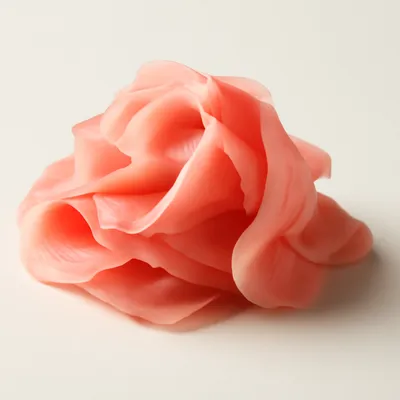
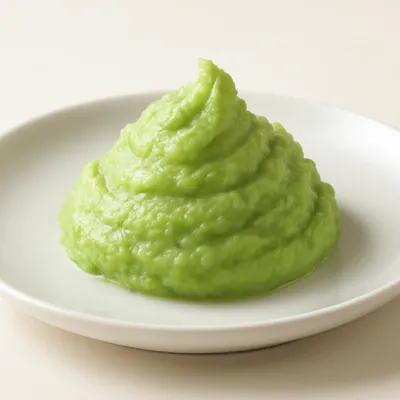
Optional: roll the finished log in tobiko (flying fish roe) or extra sesame. Wipe a sharp knife with a wet cloth, slice the log into 8 pieces — wipe the blade between cuts. Serve with soy sauce, pickled ginger, and wasabi.
Archive tool suggestions — not reviewed
These legacy suggestions have not been evidence-reviewed and are not presented as required tools.

An electric pot with a thermostat that switches off the moment internal temperature exceeds 100°C — meaning the moment all free water has boiled off. Add rinsed rice and water (1:1.2 by volume for short-grain), press start; 25 minutes later it sits in warming mode and stays at 65°C all day. The fuzzy-logic Japanese versions (Zojirushi, Tiger) cook brown rice, sushi rice, and porridge with separate algorithms for each.

A flat wooden paddle, 18-22 cm long, used to scoop and turn rice. The flat broad face cuts and folds rice without crushing the grains — essential when mixing seasoned vinegar into sushi rice (the cut-and-fold motion preserves the grain integrity). Wet the paddle in cold water before use so rice doesn't stick. Lacquered cypress is the traditional material; modern ones are often dimpled plastic to reduce sticking.