



American cranberries (Vaccinium macrocarpon) are native to the bogs of Massachusetts, New Jersey, and Wisconsin. The Wampanoag used them long before European arrival; the name cranberry came from Dutch and German colonists who thought the flower stem looked like a crane's neck. Wet harvesting — flooding the bog and floating the fruit — became standard in the 1960s. Ocean Spray (founded 1930) is a grower-owned cooperative based in Lakeville-Middleboro, Massachusetts.
Vaccinium macrocarpon is native to bogs in Massachusetts, New Jersey, and Wisconsin. Dutch and German colonists named it after the crane-shaped flower stem. Ocean Spray (founded 1930, Lakeville-Middleboro, MA) is a grower-owned co-op. The berry has enough native pectin and acid to set without added thickener.
Deep-ruby, glossy, somewhere between jam and chunky compote — half-collapsed berries swim in syrup that just barely flows off a spoon. The first hit is sharp tart, then sugar, then orange in the back of the nose. With a forkful of turkey it cuts the fat; on a leftover sandwich the next day with cold turkey, mayo, and stuffing it is the load-bearing condiment. The canned ridged-cylinder version is a separate, beloved category — fans defend the can.
Cranberries are unusually high in pectin and acid, so cranberry sauce sets without added thickener. The pop step is the cell wall rupturing under heat, releasing pectin into the syrup; the sauce thickens only as it cools because pectin needs both sugar (~50% by weight here) and acid (the berry's own malic and citric acids) to gel. Skin tannins are why cranberry sauce reads astringent — orange zest's bitterness covers the same receptor and balances it.
Variations
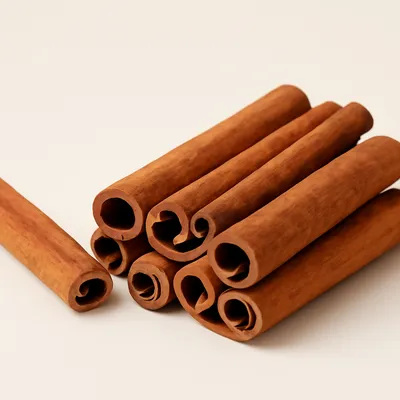
Whole-berry Plymouth-style (orange zest, cinnamon stick); jellied canned ridged cylinder (Ocean Spray, defended by an entire generation); Wisconsin cranberry-walnut relish chopped raw with sugar overnight.
On the Palate
Where Cranberry Sauce sits in the American flavor cloud
Ingredients
Serves 8How it's made
5 steps · 15 min active + 10 min waiting
- 13 min
Rinse 340g (12 oz / 1 bag) fresh or frozen whole cranberries. Discard any soft or bruised berries — they sour the whole pot.
- 23 min
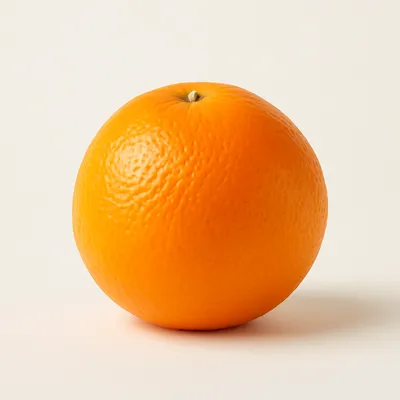
In a 2-quart saucepan, dissolve 200g granulated sugar in 240ml water over medium heat, 2 minutes. Add the zest of 1 navel orange (use a microplane, no white pith) and 60ml fresh orange juice.
- 312 min
Add cranberries. Bring to a gentle boil, then reduce to a simmer. Cook 10-12 minutes — berries will pop audibly and the liquid turns deep ruby. Stir occasionally with a wooden spoon.
Watch outWhen most berries have popped, taste — if sharply astringent, add 1-2 tbsp more sugar. Cranberries vary in tannin year to year.
- 41 min
Off heat. Stir in 1/4 tsp ground cinnamon (optional) and a pinch of salt. The sauce thickens noticeably as it cools — pectin sets at room temperature.
- 55 min
Cool to room temperature, then refrigerate at least 2 hours before serving. Keeps 1 week. Serve cold or at room temperature alongside turkey and stuffing.
Archive tool suggestions — not reviewed
These legacy suggestions have not been evidence-reviewed and are not presented as required tools.


