
A cheeseburger smothered in roasted, chopped New Mexico green chile, the regional signature being chile grown around Hatch in the Mesilla Valley. A griddled beef patty is topped with melting cheese and a heavy spoonful of fire-roasted, peeled green chile, then closed in a soft bun. The chile is the point: not a garnish but a thick, pungent layer that soaks into the patty and melts with the cheese. It is a roadside and diner staple across New Mexico.


The green chile cheeseburger is most often credited to the Owl Bar & Café in San Antonio, New Mexico, a town about ninety minutes from Hatch, where green chile grew locally; the café opened in 1945 and dates its unchanged burger recipe to 1948, though it is described as one of the likeliest first sellers rather than the certain inventor. The dish is woven into state identity to the point that the New Mexico tourism department maintains an official Green Chile Cheeseburger Trail of notable purveyors. The "Hatch" qualifier refers to the prized chile-growing district whose name has become shorthand for New Mexico green chile generally.
The green chile hits first and hardest — a roasted, vegetal pungency with a building heat that varies from gentle to genuinely fierce depending on the season's crop. Beneath it the cheese has melted into the chile and the seared, crusted beef patty, and the soft bun soaks up the chile juices and fat. There is no sweetness from ketchup or relish to get in the way; this is beef, cheese and chile, salt and char. By the last bite the bun is stained green and the chile heat sits on the lips.
Two browning reactions define the burger. The patty is seared hard on a flat-top so its surface undergoes Maillard browning into a savory crust while the inside stays juicy. Separately, the green chile is fire-roasted until its tough skin blisters and chars, which is then peeled away — this roasting both removes the inedible skin and deepens the chile's flavor by caramelizing its sugars and concentrating its pungency. Stacking the hot chile and cheese on the patty lets the residual heat melt the cheese and bind the layers, the chile's moisture working into the meat.
Variations
Heat depends entirely on the chile and the year — a mild Hatch crop makes a gentle burger, a hot year a punishing one. Some cooks mix chopped green chile directly into the ground beef as well as on top; cheese is usually American or cheddar, occasionally a New Mexican white cheese. The dish belongs to the same family as the green chile smothering used on New Mexican enchiladas and the green chile stew, and is the sibling of the red chile preparations like carne adovada. It is unrelated to the chili-topped burgers and Coney dogs of the Midwest.
On the Palate
Where Hatch Green Chile Cheeseburger sits in the American flavor cloud
Char the green chile black over open flame, then peel it — that roasting both strips the inedible skin and caramelises the chile's sugars into the deep flavour that makes this burger.
Ingredients
Serves 2How it's made
7 steps · 25 min
- 16 min
Roast fresh green chiles over an open flame until the skins blister and blacken all over.
Watch outKeep turning the chiles over the flame until the skin blisters and blackens all over — you want it fully charred, not just spotted.
- 28 min
Steam the roasted chiles briefly in a covered bowl, then peel, seed and chop them.
- 33 min
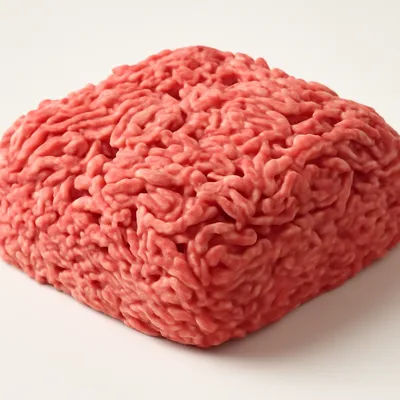
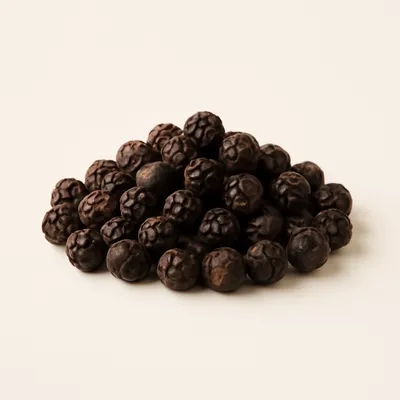
Form the ground beef into two patties, season with salt and pepper.
- 46 min
Sear the patties on a hot flat-top about 3 minutes per side until well crusted.
Watch outDon't move the patty until a deep brown crust forms — about 3 minutes; it'll release cleanly from the griddle when it's ready.
- 51 min
Lay cheese on each patty and spoon a thick layer of warm green chile over the top.
Watch outPile the chile on thick and cover so its steam melts the cheese down into it, binding the layers.
- 61 min
Cover briefly so the cheese melts into the chile.
- 72 min
Toast the buns, set the patties in, and serve at once.
Archive tool suggestions — not reviewed
These legacy suggestions have not been evidence-reviewed and are not presented as required tools.


