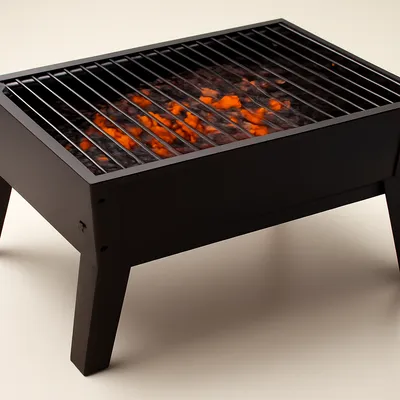
A whole side of beef short ribs staked upright beside a fire on the ground and roasted slowly for four to six hours — fogo de chão, 'ground fire.' This is the deepest, oldest expression of gaúcho churrasco: not skewered cuts turned over coals, but one massive rack of rib salted only with coarse rock salt and cooked by radiant heat from a bed of embers raked to its base. The slow draw renders the thick fat and connective tissue until the meat pulls from the bone in soft, smoke-edged strands. Where a rodízio is restaurant theatre, costela de chão is the ranch ritual it descends from.






Costela de chão is the form churrasco took on the Rio Grande do Sul pampas before it became restaurant service. From the 18th and 19th centuries, gaúcho herdsmen on the open range butchered cattle and cooked large bone-in cuts beside an open fire, the meat held on a stake or spit driven into the ground and the embers banked at its foot — fogo de chão, fire on the ground itself, with coarse rock salt the only seasoning carried. The rib, slow and fatty, was suited to this all-day method in a way fast cuts were not. It remains the centerpiece of the galpão crioulo and of ranch gatherings, and is distinct from the skewered, coal-grilled churrasco of the rodízio, which is a 20th-century São Paulo invention.
After half a day at the fire, the rack arrives dark and crusted on the outside, the bones long and bowed, the fat cap rendered to a burnished sheen. You don't carve it thin; you pull it. The meat comes away in soft, juicy strands that taste of beef, salt, and wood smoke, the outer bark chewy and intense, the inner meat melting where the collagen has gone to gelatin. There is no sauce and no marinade — just salt, fat, fire, and time. It is eaten with farofa, a simple salad, and bread to catch the dripping fat.
This is low-and-slow cooking by radiant heat rather than direct flame. The rib is set well back from the embers so the surface never scorches before the interior cooks; over four to six hours the connective collagen in the rib slowly hydrolyzes into gelatin, which is what turns a tough, working muscle tender and gives the strands their succulence. The thick fat cap renders gradually, basting the meat and carrying smoke compounds onto the surface to form the dark, flavorful bark. Coarse salt is applied generously to the exterior; over the long cook it penetrates and draws a crust without ever making the deep meat too salty. Constant fire management — feeding embers, adjusting distance — is the cook's whole job.
Variations
Costela ao fogo de chão (the staked-rib classic); costela de chão no espeto, set on a long iron spit rather than a flat cross; the bafo or 'breath' method, wrapping the rib partway through to steam it tender; ranch versions run six to eight hours for very large racks. Some cooks salt with a brine spray (salmoura) rather than dry rock salt. It is the showpiece of the Festa Nacional do Churrasco and of any large gaúcho gathering, where a single rack can feed a crowd.
On the Palate
Where Costela de Chão sits in the Brazilian flavor cloud
Ingredients
Serves 10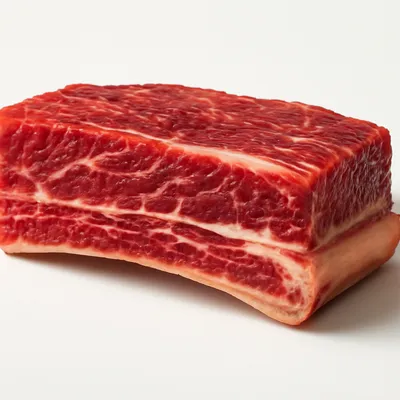
How it's made
7 steps · 1 hour active + 5 hours 30 min waiting
- 145 min
Build a large wood fire and let it burn down to a deep bed of embers; keep a side fire going to replenish them.
Watch outBurn the wood down to a deep bed of grey-glowing embers before you cook — you want radiant heat, not leaping flames that would char the surface.
- 215 min
Trim the whole short-rib rack lightly and rub the exterior generously with coarse rock salt.
- 310 min
Stake the rib onto a sturdy iron cross or spit and set it upright in the ground a good distance from the ember bed, fat side first toward the heat.
- 4300 min
Roast slowly by radiant heat for four to six hours, rotating the rack and adjusting its distance so the surface darkens without burning.
Watch outSet the rib well back from the embers and roast slowly 4-6 hours — too close and the outside blackens before the collagen inside melts to tender.
- 530 min
Rake fresh embers to the base as needed and let the fat cap render gradually, basting the meat.
- 615 min
When the meat pulls easily from the bone and the bark is dark and crusted, remove from the fire and rest briefly.
Watch outIt's done when the meat pulls easily from the bone and the bark is dark and crusted — that give means the collagen has finally turned to gelatin.
- 710 min
Pull or roughly carve and serve with coarse salt, farofa, salad, and bread.
Archive tool suggestions — not reviewed
These legacy suggestions have not been evidence-reviewed and are not presented as required tools.