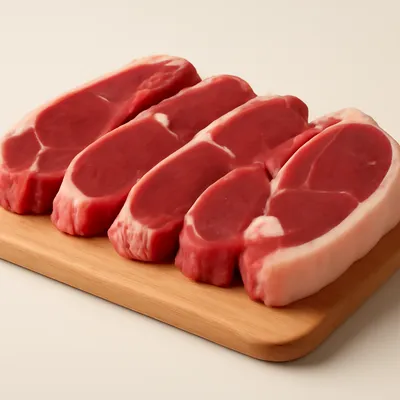
Chettinad's dry, spice-crusted mutton. Bone-in goat is slow-cooked until it yields off the bone, then tossed without pause over high heat — the pirattal technique — in a freshly pounded paste of black stone flower, star anise, kapok buds and dried Guntur chillies until every drop of gravy reduces and welds onto the meat as a dark, glistening crust. It is the heavy meat course of a Chettiar banquet, a world apart from the soupy Chettinad mutton kuzhambu.

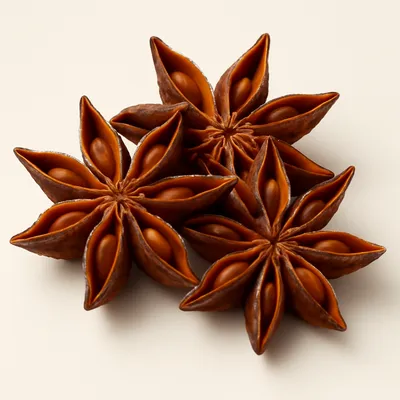


Chettinad — the arid tract of Sivaganga and Pudukkottai districts around Karaikudi — is the homeland of the Nagarathar, or Nattukottai Chettiars, a Tamil merchant-banking community whose trade and money-lending networks reached Ceylon, Burma and across Southeast Asia. That diaspora carried home aromatics found in no other South Indian kitchen — star anise, black stone flower (a lichen) and kapok buds — which were grafted onto a Dravidian base of pepper, turmeric and mustard. The Chettiars kept their ritual feasts vegetarian, but through the nineteenth century, as their trading and money-lending firms took root across Ceylon and Burma under British colonial expansion, meat cookery entrenched itself in the community's table. Pirattal, Tamil for 'to toss and turn over,' names the semi-dry method: the braised mutton is stirred against the hot pan without pause until the masala dries and crusts onto it. Weighty and intensely spiced, mutton pirattal is served as the principal meat dish at large Chettiar banquets, kept distinct from the everyday soup-like mutton kuzhambu.
The crust shatters into deep, roasted spice — anise sweetness, the smoky mineral note of stone flower, black-pepper heat rolling in behind the Guntur chillies — while the meat beneath stays moist and pulls cleanly from the bone. Gingelly oil gilds every bite; there is no sauce to hide in, only concentrated spice clinging to tender goat.
Bone-in goat comes from hard-working shoulder and leg, dense with collagen; a long braise in moist heat hydrolyses that collagen into gelatin at roughly 70–90°C, so the fibres slip apart and the meat turns succulent, while marrow and gelatin leaching from the bones thicken the reduction. The whole spices are dry-roasted first, which drives off moisture and pushes their volatile oils — anethole in star anise, the aromatic lichen compounds in stone flower — to the surface. Pounding the roasted spices rather than milling them ruptures the cells just before cooking, releasing fresh aromatics that would otherwise fade. In the pirattal stage, constant tossing over high heat evaporates the remaining liquid; once the surface water is gone and the pan climbs past about 140°C, Maillard browning fires on both the meat and the sugars and proteins of the paste, fusing them into a dark, adherent crust. Blooming the paste in gingelly oil extracts the fat-soluble aroma compounds and films them over every piece.
Variations
Chicken (kozhi pirattal) is the most common everyday version and cooks far faster; crab (nandu) and prawn pirattal follow the same dry-tossed method along the coast. Some cooks fold in a little ground coconut-and-fennel paste at the finish to round the heat and add body. The wet counterpart — mutton kuzhambu, loose with gravy and often coconut — shares the same spice box but never the dry crust.
On the Palate
Where Mutton Pirattal sits in the Indian flavor cloud
Ingredients
Serves 4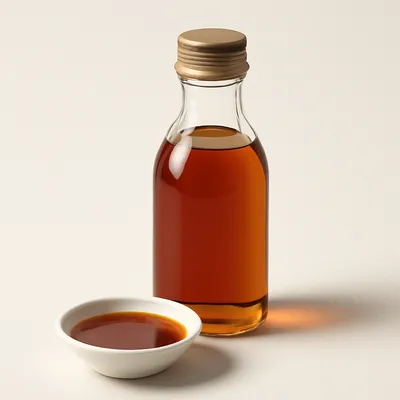

How it's made
8 steps · 25 min
- 140 min
Rinse bone-in mutton and pressure-cook (or slow-braise) with turmeric, salt and a little water until fork-tender, about 30–40 minutes; reserve the meat and its stock.
- 26 min
On a dry pan over low heat, roast black stone flower, star anise, kapok buds, dried Guntur chillies, fennel seeds and a few peppercorns until fragrant and just darkened; cool.
Watch outDry-roast the whole spices just until fragrant and barely darkened — take them past that and the pounded masala turns acrid and bitter.
- 35 min
Pound the roasted spices in a mortar (or pulse-grind) with a splash of water into a coarse, fresh masala paste.
- 47 min
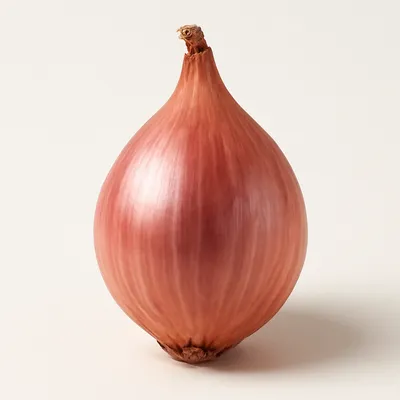
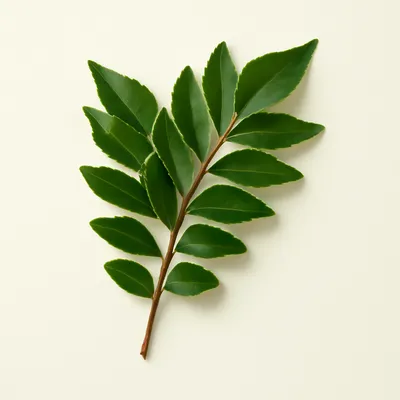
Heat gingelly oil in a heavy pan, crackle curry leaves, then sauté sliced shallots and ginger-garlic paste until deep golden.
- 55 min
Add the pounded masala paste and fry over medium heat until the raw smell lifts and oil beads at the edges.
- 66 min
Tip in the cooked mutton with a ladle of its stock; stir to coat every piece and simmer a few minutes to marry.
- 712 min
Raise the heat and toss the meat continuously (pirattal), scraping the base, until the liquid evaporates and the masala crusts onto the mutton.
Watch outToss over high heat until the liquid's gone and the masala crusts onto the meat — this pirattal frying-dry is the whole point; stop wet and it's just a curry.
- 83 min
Finish with a drizzle of raw gingelly oil and a handful of curry leaves; toss until glossy and dry, then serve hot.


