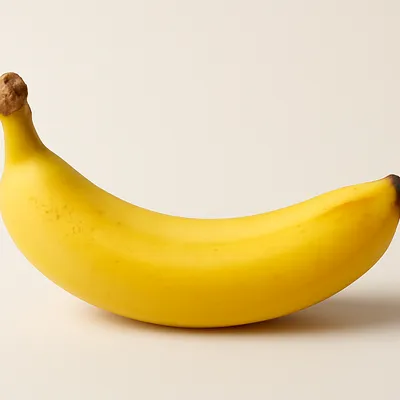
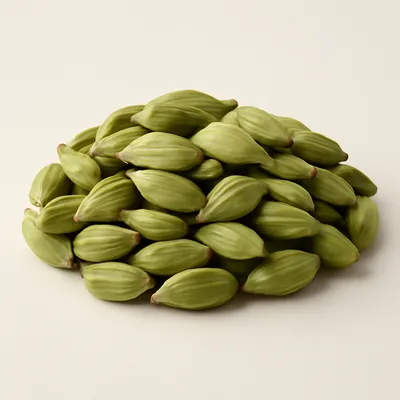
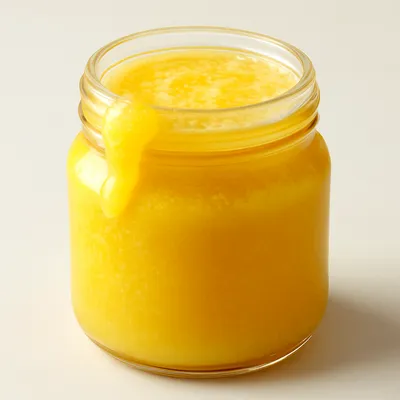
Nei appam is a Tamil festival sweet of small, dome-shaped rice cakes fried in ghee. A thick batter of rice flour, dark jaggery, mashed ripe banana and cardamom is spooned into the cup-shaped molds of a cast-iron paniyaram pan, where each ball crisps to a deep-brown shell around a soft, fragrant center. It is the defining offering of Karthigai Deepam, Tamil Nadu's ancient festival of lamps, and despite sharing the word 'appam' it is unrelated to Kerala's lacy fermented rice hoppers.
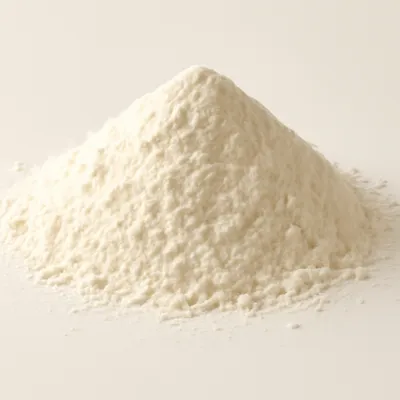



The sweet belongs to Karthigai Deepam, among the oldest surviving Tamil festivals, whose lamp-lighting ritual is named in the classical Tamil poetry of the Sangam age, roughly 200 BCE to 300 CE. It falls on the full-moon night of the Tamil month Karthigai, when the moon aligns with the Krittika star cluster, the Pleiades. Dedicated to Shiva and to his son Murugan, whom legend has the six Krittika stars nurse as six infants later fused by the goddess Parvati into one six-faced child, the festival fills homes and temples with rows of oil lamps, and at Tiruvannamalai a great ghee flame, the Maha Deepam, is lit atop Arunachala hill. Nei appam is the household's principal sweet neivedyam, or god-offering, of the night, cooked in ghee because the season and its lamps both turn on clarified butter; the same cakes reappear at Krishna Jayanti and Ganesh Chaturthi. Its name is plain Tamil, nei for ghee and appam for a small rice cake, and though it shares that second word with Kerala's fermented appam, the two are wholly separate dishes.
Bite through a thin, ghee-crisped shell into a warm, cake-soft crumb that tastes of dark jaggery and banana, with cardamom and a whisper of dry ginger rising as the ghee coats the tongue. The edges are almost toffee-chewy where the sugar has caught, while the center stays moist and just short of pudding-soft.
Ripe banana is the engine. As it ripened, ethylene switched on amylase enzymes that broke its starch down into sugars, so the pulp brings sucrose, glucose and fructose, moisture and a little pectin without needing much added leavening. In the batter the rice flour's starch granules drink up the warm jaggery syrup and swell; when they meet the hot ghee they gelatinize and set into a tender crumb, while a pinch of baking soda releases carbon dioxide to keep it open. At the surface the abundant sugars from both jaggery and banana caramelize and react with the batter's traces of protein in Maillard browning, building the deep-brown, faintly bitter-edged crust. Ghee, with its high smoke point of roughly 250 degrees Celsius, lets the outside brown hard without scorching, and the enclosed dome of the paniyaram mold traps steam to cook the interior through even as the base fries.
Variations
Cane jaggery gives a lighter cake, while dark palm jaggery makes the deeper, earthier Chettinad-style version. Many cooks soak and grind raw rice instead of using rice flour, then ferment the batter overnight for a lighter crumb. Grated coconut is often folded in for bite, and some skip banana entirely, leaning on a larger pinch of baking soda for softness. Where no paniyaram pan is at hand, spoonfuls are simply deep-fried in ghee, closer to the Kerala unniyappam.
On the Palate
Where Nei Appam sits in the Indian flavor cloud
Ingredients
Serves 4

How it's made
8 steps · 20 min
- 110 min
Dissolve the jaggery in the water over medium heat, stirring, until fully melted, then strain the hot syrup through a fine sieve to remove sand and grit.
- 210 min
Let the jaggery syrup cool to just warm, so it will not scald the flour when mixed.
Watch outCool the jaggery syrup to just warm before mixing in the flour — pour it hot and it half-cooks the rice flour into lumps.
- 33 min
Mash the very ripe bananas with a fork into a smooth, lump-free paste.
- 46 min
Whisk the rice flour, mashed banana, cardamom, dry ginger, coconut and a pinch of baking soda into the syrup to a thick but pourable batter.
- 5120 min
Cover and rest the batter about 2 hours so the rice flour hydrates and the flavors settle.
- 65 min
Set the cast-iron paniyaram pan over medium-low heat and spoon a little ghee into each hemispherical mold.
- 76 min
Fill each mold about three-quarters with batter, cover, and cook undisturbed until the edges brown and pull away.
Watch outFill each mold three-quarters and don't touch it until the edges brown and pull away — that release is the cue it's ready to flip.
- 88 min
Flip each appam with a skewer, add a few drops of ghee, and cook until both domes are deep golden and the center is set; drain and serve warm.
Archive tool suggestions — not reviewed
These legacy suggestions have not been evidence-reviewed and are not presented as required tools.



