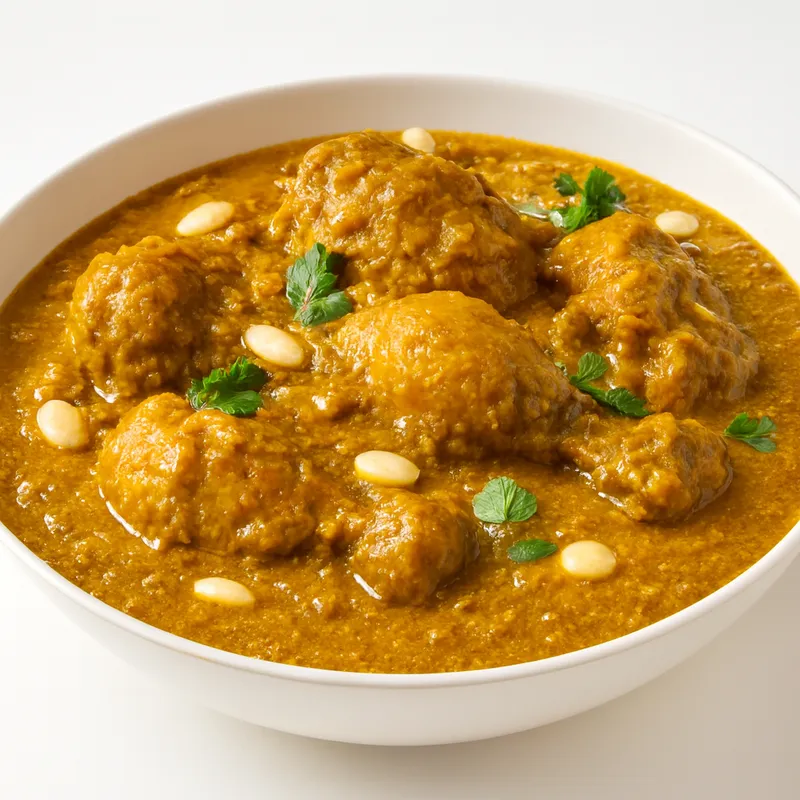
A paper-thin Andhra confection from Atreyapuram village in East Godavari district: sheets of dried rice starch are peeled off the inverted rim of a heated clay pot, then spread with jaggery or powdered sugar, ghee, and cardamom, and rolled into fragile hollow cylinders. The name means 'sheet coating' in Telugu, and the sweet is so thin it shatters at a touch.
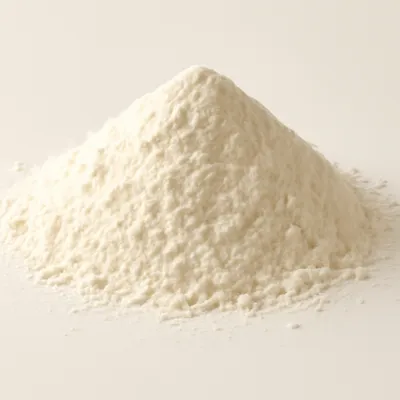

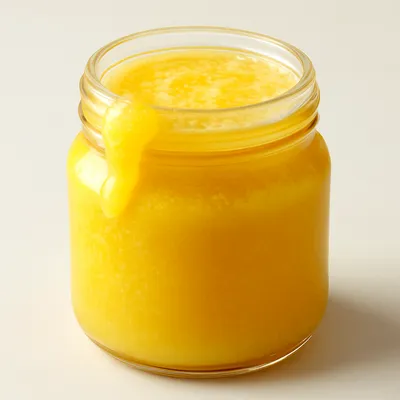
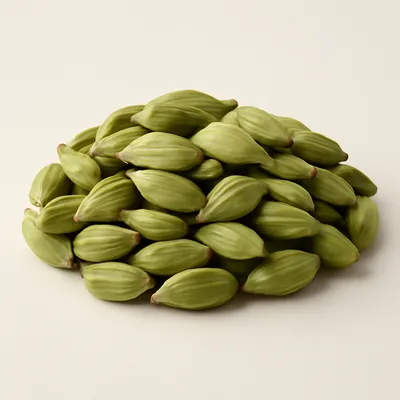
Pootharekulu is made in Atreyapuram, a village on the banks of the Godavari in East Godavari district, Andhra Pradesh, where the craft of drawing rice-starch sheets on inverted clay pots has been a household cottage industry for generations. The name comes from Telugu pootha (a thin sheet or coating) and reku (a roll), describing the wrapped form. The core technique is distinctive: a thin batter of rice flour is dabbed onto the heated, inverted mouth of an earthen pot (atti pot), where it instantly sets into a translucent wafer that is peeled off and layered with jaggery, ghee, and cardamom. The craft is labor-intensive and skill-bound — a single sheet can fail at the wrong temperature — and has been carried almost entirely by the women of Atreyapuram. The village's pootharekulu was awarded a Geographical Indication tag registered on 14 June 2023 by India's Geographical Indications Registry under the Ministry of Commerce and Industry, in the name of the Sir Arthur Cotton Atreyapuram Pootharekulu Manufacturers Welfare Association, confining authorized production to the village.
A dry, crackling wafer that collapses into a sweet cloud of jaggery, ghee, and cardamom the moment it hits the tongue.
The wafer relies on the rapid gelatinization of rice starch on a hot surface. When the thin rice-flour batter touches the heated clay pot rim at roughly 120–150°C, the starch granules swell, burst, and gelatinize within seconds into a continuous, translucent film with almost no internal water left to evaporate, which is why it peels off dry rather than steaming. Because the film is almost pure starch with little gluten-forming protein, it sets brittle and glassy rather than chewy. The clay pot's porous, slightly rough surface helps the wet batter adhere for the fraction of a second needed to set, and its thermal mass keeps the temperature stable. The filling of jaggery and ghee then provides the only moisture and fat, so the finished roll stays crisp on the outside and barely softens within.
Variations
The classical filling is jaggery and ghee; modern variants use powdered sugar, and festive versions add finely chopped cashew, almond, or pistachio, or replace the jaggery with milk khoya for a creamier interior.
On the Palate
Where Pootharekulu sits in the Indian flavor cloud
Ingredients
Serves 6How it's made
6 steps · 1 hour
- 18 min
Make a thin, lump-free rice-flour batter with water, kept at pouring consistency.
- 28 min
Heat an inverted clay pot over a steady flame until its rounded rim is hot enough to set batter on contact.
- 37 min
Dab a thin film of the batter onto the hot rim with a damp cloth; it will set into a translucent wafer within seconds.
Watch outDab the batter on the hot clay rim and it sets to a translucent wafer in seconds — if it doesn't set on contact the rim is too cool, and it'll tear when you peel it.
- 45 min
Peel the wafer off carefully and lay it flat without tearing.
Watch outPeel the wafer off gently and lay it flat without tearing — these are paper-thin and fragile, so a slow, even lift is everything.
- 512 min
Spread melted ghee, jaggery powder, and a pinch of cardamom across the wafer, then roll it into a loose hollow cylinder.
- 610 min
Repeat to build a batch and store the fragile rolls in a dry, airtight container.