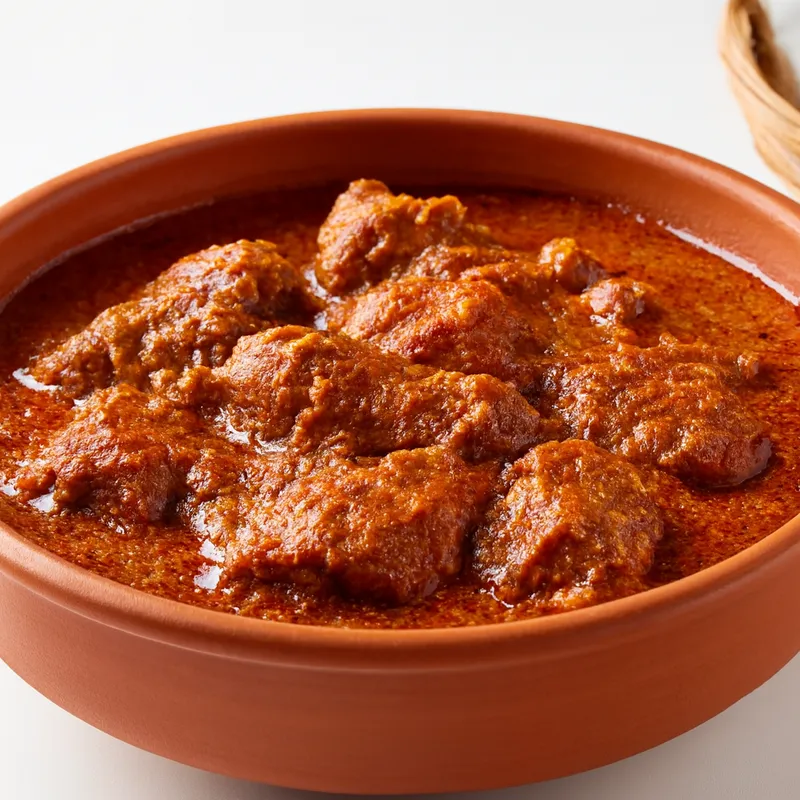
Masor Tenga is the flagship light, sour fish curry of Assam, in northeast India, where 'mas' means fish and 'tenga' means sour. Freshwater fish, most often rohu, is lightly fried, then simmered in a thin turmeric broth soured with one of several agents: ripe tomato, the thick-skinned kazi nemu lemon, sun-dried thekera (Garcinia pedunculata), or ou tenga (elephant apple). The seasoning is deliberately spare, in the Assamese manner: mustard oil, a pinch of fenugreek, fresh coriander, and slit green chillies, with none of the heavy spice paste of mainland Indian curry. It is served thin and brothy over plain rice, eaten toward the end of a meal as a palate cleanser.





Masor Tenga belongs to the everyday riverine cooking of the Brahmaputra valley, where freshwater fish has long been a dietary staple; its exact origin is unrecorded, as it is home cooking rather than a court or restaurant creation. Its defining trait is the souring agent, chosen by season and household: tomato is now the most common, but the indigenous options are older, including thekera (Garcinia pedunculata, a relative of kokum, sun-dried into hard slices), ou tenga (Dillenia indica, the elephant apple), kazi nemu lemon, and starfruit. The dish reflects the broader Assamese cuisine, which uses far less oil and spice than the rest of India and leans on fresh produce, herbs and sour fruit.
A clear, pale-yellow broth, almost soup-thin, poured over rice. The first taste is a clean sourness — bright and lemony from tomato or kazi nemu, deeper and resinous from thekera. The fish is soft and just-set, the flesh flaking off the bone. A back-note of bitterness comes from the fenugreek seeds bloomed at the start; slit green chillies add heat without masala heaviness. It is light, tangy and warming rather than rich.
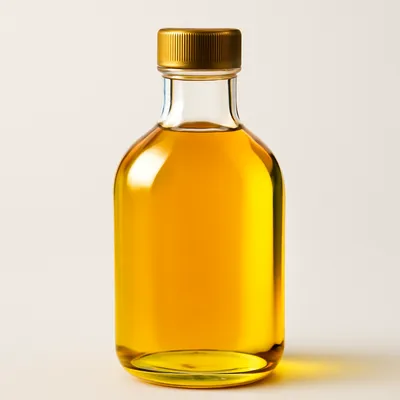
The dish turns on controlled souring and a very light hand with fat. Fenugreek seeds are bloomed first in hot mustard oil — the oil is heated until it just smokes to drive off its raw pungency, and the fenugreek releases its aroma and a faint bitterness that balances the sour. The acid is added by route depending on the agent: tomato and ou tenga go in early to break down and cloud the broth, dried thekera is soaked and simmered to leach out its fruit acids, while kazi nemu lemon juice is stirred in at the very end so its volatile brightness is not boiled off. Because there is no thickening masala or onion-tomato base, the broth stays thin and the fish must be added late and barely simmered, or it toughens and falls apart.
Variations
The main axis of variation is the souring agent: tomato (most common today), kazi nemu lemon, thekera (Garcinia pedunculata), ou tenga (elephant apple), kordoi (starfruit), or bogori (jujube). Some cooks add vegetables such as bottle gourd, potato or lai xaak greens to the broth. A popular relative is Outenga Masor Tenga, built specifically around elephant apple; another is the simpler tomato-only version cooked in homes year-round. Where rohu is unavailable, other freshwater fish such as catla or small river fish are used.
On the Palate
Where Masor Tenga sits in the Indian flavor cloud
Ingredients
Serves 4

How it's made
7 steps · 15 min
- 112 min
Clean the fish, cut into steaks, rub with salt and a little turmeric, and rest 10 minutes.
- 26 min
Heat mustard oil until it just smokes, then lightly fry the fish pieces until set on both sides and set aside.
Watch outHeat the mustard oil until it just smokes before the fish or fenugreek goes in, to kill the raw pungency.
- 32 min
In the same oil, bloom a pinch of fenugreek seeds until they darken and smell nutty.
Watch outBloom the fenugreek just until it darkens and smells nutty; a shade too far and it turns bitter.
- 43 min
Add turmeric and the souring base (chopped tomato or soaked thekera or elephant apple) and saute briefly.
- 53 min
Pour in water to make a thin broth, season with salt, and bring to a gentle simmer.
- 68 min
Slide the fried fish back in with slit green chillies and simmer gently for 6 to 8 minutes.
Watch outKeep it at a lazy simmer, not a rolling boil; the surface should barely shiver for the 6 to 8 minutes.
- 71 min
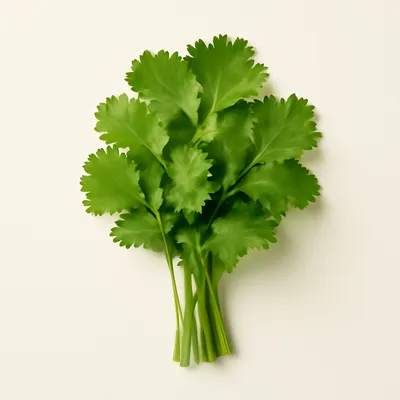
If using kazi nemu lemon, squeeze in the juice off the heat; finish with fresh coriander.
Archive tool suggestions — not reviewed
These legacy suggestions have not been evidence-reviewed and are not presented as required tools.