A Malabar Mappila layered pastry built from alternating paper-thin rice crepes and spiced filling, assembled in a clay pot and cooked until the exterior is golden and crisp. Both savory and sweet versions exist: the savory version layers egg-dipped crepes with spiced minced meat; the sweet version alternates crepes with fragrant beaten egg, grated coconut, cardamom, raisins and cashews. An essential fixture of Eid feasts and Ramadan Iftar spreads across North Malabar.




Chatti Pathiri belongs to the extended pathiri family that Malabar's Mappila Muslim community built over centuries of Arab maritime contact beginning in the 7th century. The layered construction—thin rice pancakes pressed around a spiced filling in a clay cooking pot—shares structural logic with multilayer pastries common in Middle Eastern culinary traditions, reflecting the centuries-long exchange across the Arabian Sea. The savory filling of pepper-and-cardamom spiced minced meat closely mirrors samosa stuffing composition, pointing to shared roots in Arab-Indian culinary convergence. The sweet variant, with beaten egg, coconut, dried fruit and cardamom, draws on ingredients central to the Malabar kitchen. The dish gained its most prominent role in the Ramadan festive calendar: across Kozhikode and North Malabar, it appears at Iftar tables and Eid al-Adha feasts as an expression of Mappila hospitality, and the Mappila restaurant tradition of Kozhikode—including decades-old establishments—has helped preserve and popularize both savory and sweet versions.
The base is taut and amber where the clay pot's radiant heat caramelized the bottom egg wash. Cut open, you find alternating layers of soft, yielding rice crepe and fragrant filling that compress gently into each other. In the savory version, black pepper and cardamom build a warm heat layer by layer; in the sweet, raisins and cardamom perfume each tier of crepe.
The layered structure exploits moisture differential between layers: freshly cooked rice crepes carry residual surface moisture that bonds to the egg wash brushed beneath them, while the clay pot base creates focused radiant heat that caramelizes and sets the bottom layer into a crisp shell. Egg wash between layers acts simultaneously as adhesive and as a moisture barrier, slowing inter-layer steam migration during baking. In the oven, convective dry heat drives surface moisture off, triggering Maillard browning on the top egg wash; internally, moisture from the filling circulates as steam through the sealed crepe sandwich, steam-cooking the inner layers while keeping them soft and cohesive.
Variations
The sweet variant fills layers with beaten egg, sugar, grated coconut, cardamom, cashews and raisins; the crepes used are slightly thicker than the savory version to support the heavier filling. Some Kozhikode households substitute wheat flour for rice flour in the crepes, adding a slight chewiness. A half-savory, half-sweet construction with each filling occupying a separate section also appears at wedding feasts.
On the Palate
Where Chatti Pathiri sits in the Indian flavor cloud
Ingredients
Serves 6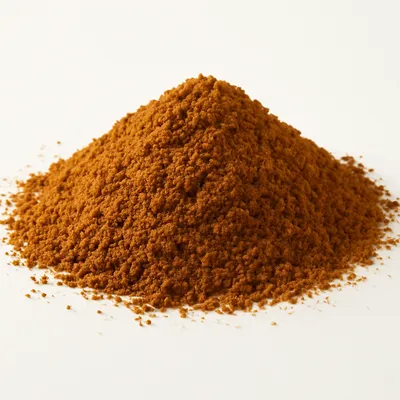


How it's made
8 steps · 30 min
- 115 min
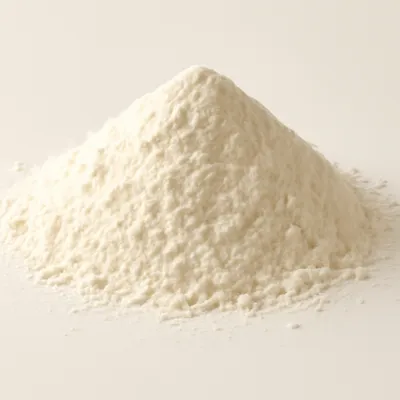
Combine rice flour with boiling salted water (equal weights), stir vigorously, then knead with oiled hands for 4 minutes into a smooth, pliable dough. Cover and rest for 10 minutes.
- 215 min
Roll dough into thin 15-cm rounds. Cook each on a dry medium-high griddle for 1 minute per side until just set and lightly spotted. Remove and keep covered under a cloth; do not overcook, as the crepes must remain pliable for layering.
Watch outCook each crepe only until just set and lightly spotted — over-cook and it dries stiff and cracks when you layer it instead of staying pliable.
- 315 min
For savory filling: heat oil in a pan, sauté diced onion until golden, add ginger-garlic paste and green chilies, then add minced meat. Season with black pepper, garam masala, cardamom and salt. Cook, stirring, until the mixture is completely dry. Cool to room temperature.
- 43 min
Beat 3 eggs with a pinch of turmeric and salt to make the binding wash used between layers.
- 53 min
Lightly oil a heavy clay pot or deep ovenproof pan. Lay one pathiri across the base and brush generously with beaten egg wash.
- 65 min
Spread a thin layer of filling. Top with another pathiri and brush with egg wash. Repeat, alternating crepe, filling and egg wash, until 5–6 layers are assembled, finishing with a plain pathiri on top.
Watch outBrush egg wash between every layer — it glues the crepes together and seals each seam, so the stack holds instead of sliding apart when cut.
- 72 min
Pour the remaining egg wash evenly over the assembled pastry, tilting the pot so the egg seeps down the sides and between layers.
- 827 min
Cover and cook over low heat on the stovetop for 12–15 minutes until the base is golden. Transfer to a 180℃ oven, uncovered, for 10–12 minutes to crisp and bronze the top. Rest 5 minutes before cutting into wedges.
Watch outFinish uncovered in the oven only until the top browns and crisps — the base should be set gold first, so watch it doesn't over-darken.
Archive tool suggestions — not reviewed
These legacy suggestions have not been evidence-reviewed and are not presented as required tools.


