
Khar is the namesake alkaline dish of Assam, in northeast India, and the course traditionally eaten first in an Assamese meal. It is named for the filtered alkali, also called khar, that flavours it: in the authentic 'kola khar', sun-dried peels and sheath of the bhim kol banana are burned to ash, and the ash is steeped in water and strained to a clear, faintly alkaline liquid. This filtrate is cooked with a main ingredient — most classically raw papaya, but also pulses, taro, leafy greens or fish — to make a light, soft, pale dish. It is brothy and barely spiced, served at the start of the meal as a digestive opener over rice.
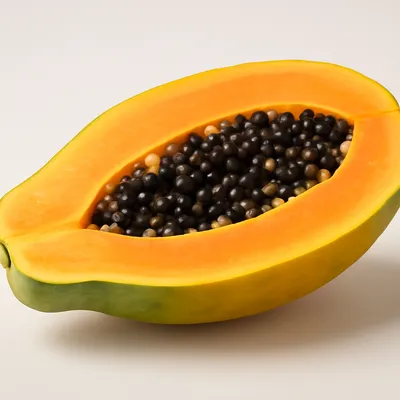




Khar is rooted in the landlocked Brahmaputra valley, and is said to have arisen because the region historically lacked easy access to sea salt and other strong condiments, so cooks turned plant ash into a usable alkali; its exact age is unrecorded. The authentic 'kola khar' is made specifically from the bhim kol banana, Musa balbisiana (locally bhimkol or athiyakol), whose ash yields the strongest alkali; in parts of lower Assam papaya stem and bark are used. A version made with shop-bought baking soda is called 'soda khar' and is considered a substitute for the real plant-ash khar. The dish is closely tied to Assamese identity and is offered at festivals and community feasts.
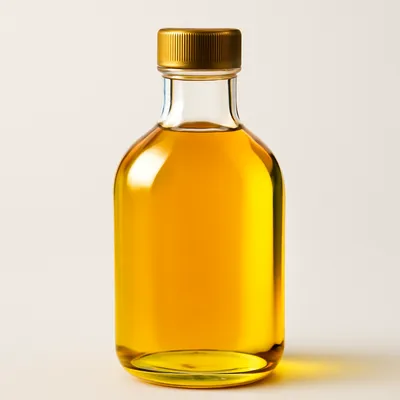
Soft, almost slippery pieces of papaya or pulse in a thin, pale, faintly soapy-tasting broth. The alkali gives a distinctive smooth, rounded mouthfeel and a mild mineral note rather than salt or spice; there is little chilli heat and almost no oil. Flavours are clean and gentle, sometimes finished with a tempering of mustard oil and a few seeds for aroma. Eaten warm at the start of a meal, it reads as soothing and palate-clearing rather than rich or sharp.
Khar works as edible chemistry. Ash from burned banana peel and sheath is leached with water to extract its soluble salts; studies of bhim kol (Musa balbisiana) ash find the soluble fraction is dominated by potassium carbonate, which makes the filtrate strongly alkaline. Cooked into a dish, this alkali softens and breaks down fibrous vegetables such as raw papaya and helps split and tenderise pulses, while its slippery texture and mild flavour come from the carbonate itself. The traditional opening-of-the-meal role reflects a folk belief in its digestive, antacid action; because the liquid is genuinely alkaline it is always used sparingly, and the plant-ash 'kola khar' is prized over baking-soda 'soda khar' for a rounder, less harsh result.
Variations
The main ingredient defines the version: amitar khar (raw papaya, the classic), kharoli or dali khar (pulses, often black gram or matikolai), kosu khar (taro), and various leafy-green khars such as those made with jute leaves or banana flower; fish khar is also common. Some are kept purely alkaline and barely seasoned, while others finish with a light mustard-oil tempering. A non-traditional shortcut substitutes baking soda for plant-ash khar, giving 'soda khar', and meat khars made with duck or pork appear in some communities.
On the Palate
Where Khar (Assamese) sits in the Indian flavor cloud
Ingredients
Serves 4
How it's made
7 steps · 20 min
- 120 min
If making kola khar, burn sun-dried bhim kol banana peels to ash, steep the ash in water, then strain through cloth to a clear alkaline liquid.
Watch outFilter patiently until the ash water runs clear and clean — any grit or cloudiness carries straight into the dish.
- 25 min
Peel and cube raw papaya (and soak any pulses if using).
- 38 min
Bring the papaya to a boil in water with turmeric and salt until just tender.
- 45 min
Stir in the strained khar liquid (or a small pinch of baking soda for soda khar) and simmer gently.
Watch outStir the khar in a little at a time; it should smell mild and turn the broth faintly slippery, never sharp.
- 58 min
Cook until the papaya turns soft and slightly translucent and the broth thickens lightly.
Watch outLook for the papaya turning soft and slightly see-through and the broth just lightly thickening.
- 63 min
Optionally finish with a quick tempering of mustard oil, fenugreek or panch phoron for aroma.
- 71 min
Serve warm at the very start of the meal, spooned over plain rice.
Archive tool suggestions — not reviewed
These legacy suggestions have not been evidence-reviewed and are not presented as required tools.


