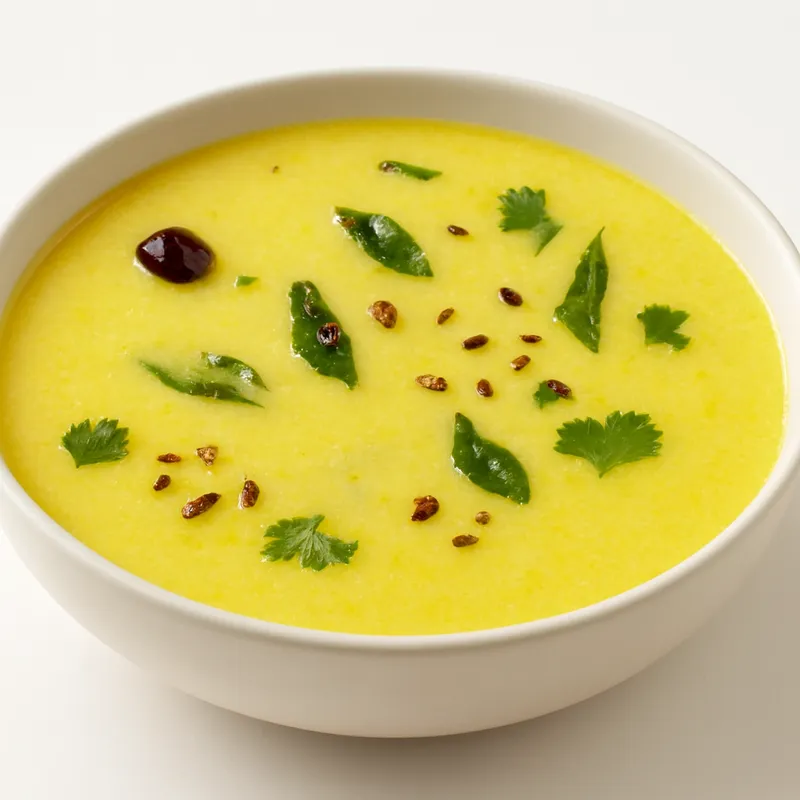
The Malabar Mappila adaptation of the ancient Arabic harees — cracked wheat soaked and pressure-cooked with bone-in chicken or mutton until the grains dissolve into a smooth, satiny porridge, then finished with ghee-fried shallots, cashew nuts, and raisins and served with sugar. Indispensable before the biryani at Malabar Muslim wedding feasts and a fixture at Ramadan iftar tables throughout northern Kerala.

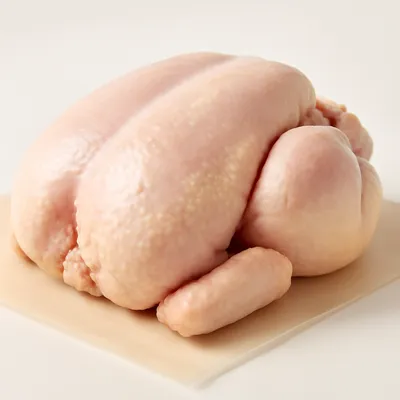

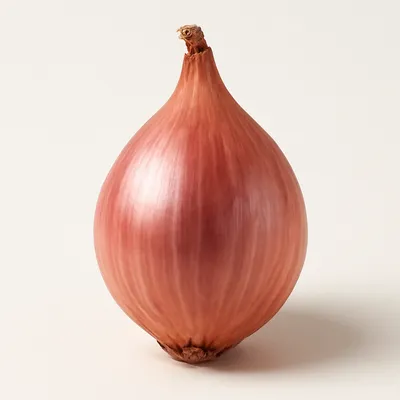

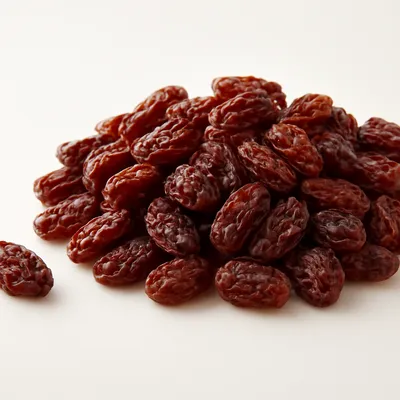
Alisa traces directly to harees, a wheat-and-meat porridge recorded in 10th-century Baghdad culinary manuscripts as a dish of caliphs and nobles. Arab spice traders who sailed the monsoon routes to the Malabar Coast from the 7th century onward carried the preparation southward; as they settled and married into local communities, forming the Mappila Muslim population, harees took root in northern Kerala. The Malabar version evolved its own character: large onions gave way to small shallots, the spice profile shifted toward cinnamon, cardamom, and star anise, raisins entered the garnish, and the tableside sprinkle of sugar became a signature that distinguishes alisa from its Gulf counterparts. Today it anchors the Malabar wedding feast as the essential opening course before biryani — locals say serving biryani without alisa is like food without salt — and appears at Ramadan iftar tables throughout the region.
Alisa arrives at the table as a pale ivory pool — smooth and satiny, barely betraying its wheat origins. A spoonful dissolves on the tongue with the muted warmth of slow-cooked meat folded into grain; ghee-fried shallots arrive in golden bursts of crunch, raisins in pops of concentrated sweetness, and the tableside sprinkle of white sugar melts through the warmth in slow, gentle waves.
Extended pressure cooking causes the wheat starch granules to fully gelatinize and rupture, releasing amylose and amylopectin into the liquid and producing the characteristic smooth, glossy paste. Collagen in the meat's connective tissue hydrolyzes to gelatin at sustained temperatures above 70°C, contributing body and a lip-coating richness that pure grain porridge cannot achieve. Vigorous stirring during the pot phase distributes the protein-starch network uniformly; the final ghee tempering coats the starch gel with fat, suppressing starch retrogradation and syneresis and keeping the texture fluid and satiny rather than gluey or rubbery.
Variations
Some North Kerala households add coconut milk in place of part of the water for a richer, sweeter base. Chicken is standard for everyday batches; bone-in mutton is preferred for weddings. Thalassery-style versions use a slightly coarser texture, leaving the wheat less fully broken down. The dish is closely related to Gulf harees and the Yemeni hareesa, but the sugar garnish and shallot tempering are uniquely Malabar.
On the Palate
Where Alisa sits in the Indian flavor cloud
Ingredients
Serves 6


How it's made
7 steps · 15 min
- 1240 min
Rinse the cracked wheat thoroughly and soak in plenty of cold water for a minimum of 4 hours, or overnight.
- 25 min
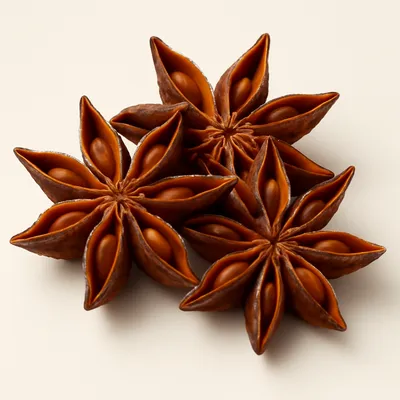
Drain the wheat and transfer to a pressure cooker; add washed bone-in chicken pieces or mutton, whole cinnamon stick, cardamom pods, star anise, salt, and enough fresh water to cover generously.
- 335 min
Seal the pressure cooker and cook on high heat for 30 minutes after the first whistle; turn off the heat and allow pressure to release naturally.
- 415 min
Open the cooker, remove all bones, and transfer the meat and wheat to a heavy-bottomed pot; cook over medium heat, stirring constantly with a long wooden spoon, shredding the meat into the wheat until a smooth, uniform porridge forms — about 15 minutes.
Watch outStir constantly, shredding the meat into the wheat until it's smooth and uniform — stop stirring and it scorches on the bottom and stays lumpy.
- 510 min
Reduce to low heat; stir continuously for another 10 minutes until the porridge develops a satiny sheen. Adjust salt, and stir in a splash of coconut milk if a richer base is desired.
Watch outCook down until the porridge takes on a satiny sheen — that gloss is the fully cooked starch; pull it before it stiffens into paste.
- 65 min
In a small separate pan, heat ghee over medium heat; fry thinly sliced shallots until deep golden and crisp, then add cashew nuts and raisins and fry for 1 more minute. Pour the entire tempering, with its ghee, over the porridge.
- 72 min
Ladle into wide bowls, top with the fried garnish, and serve immediately alongside a small bowl of white sugar for each diner to add to taste.
Archive tool suggestions — not reviewed
These legacy suggestions have not been evidence-reviewed and are not presented as required tools.