The Parsi community's most auspicious everyday meal: a plate of steamed rice (dhan), simple yellow tuvar dal (dar), and a thick, sweet-sour-spicy seafood or meat patio served alongside. It is the Parsi equivalent of dal-chawal — served on birthdays, Navroz, and every celebration, and a child's first solid food.
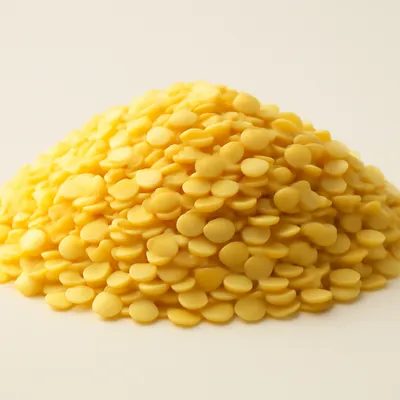




Dhandar patio (dhan dar patio, dhun dar) is the central, most auspicious everyday meal of Parsi cuisine, the food tradition of the Zoroastrian community of Mumbai and Gujarat. It is not a single dish but a triad served together: dhan (steamed rice), dar (a simple yellow tuvar or toor dal, cooked with turmeric and often a little jaggery), and a patio — a thick, sweet-sour-spicy accompaniment, traditionally of prawns (kolmi) or fish but also of chicken or vegetables. The combination is so foundational to Parsi identity that it is served on virtually every auspicious occasion — birthdays, Navroz (the Parsi new year), and the first-solid-food ceremony for children — and the word 'dhun' (wealth) in one of its names ties it symbolically to prosperity. A folk account attributes the triad's longevity to three practical reasons: rice and dal were affordable for feeding large Parsi joint families, the combination was nutritionally complete, and the bold patio elevated plain dal-rice into something celebratory. The dish is the Parsi equivalent of dal-chawal, and it remains the comfort food most craved by Parsis after travel.
Mild, comforting dal and soft rice against the bold, sweet-sour-spicy punch of the patio — a meal built on contrast, where the plain backdrop makes the patio sing.
The meal's logic is contrast and balance. The dal — tuvar dal pressure-cooked to a soft mash, its starch fully gelatinized, lightly sweetened with jaggery — is deliberately mild, almost a neutral backdrop, and its smooth texture and gentle protein-and-carbohydrate richness make it the comfort core of the plate. The rice, steamed so each grain's starch gelatinizes separately, provides a fluffy, neutral vehicle. The patio is the opposite — a thick, reduced sauce in which onion, tomato, garlic, and chili have been concentrated by long cooking until the oil separates, then balanced with jaggery (sweet), vinegar or tamarind (sour), and chili (hot) into the bold Parsi profile; the seafood or meat within absorbs that concentrated flavor. Eaten together, the mild dal and rice temper the patio's intensity, and the patio lifts the plain dal into something festive — each component incomplete alone, balanced together.
Variations
The patio is most classically prawn (kolmi no patio) but also fish, chicken, or vegetable; a vegetarian version uses boiled eggs, and the dal is sometimes scented with cumin tempering.
On the Palate
Where Dhandar Patio sits in the Indian flavor cloud
Ingredients
Serves 5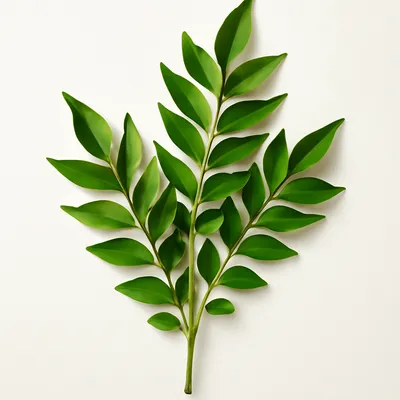

How it's made
6 steps · 20 min
- 110 min
Pressure-cook tuvar dal with turmeric and a little jaggery until soft, then mash smooth.
- 24 min
Temper cumin, garlic, and asafoetida in ghee and fold into the dal.
- 310 min
Cook rice separately until fluffy and separate-grained.
- 412 min
For the patio, heat oil, fry chopped onion, ginger-garlic, and curry leaves, then add chopped tomato and cook until oil separates.
Watch outCook the patio's onion-tomato base until the oil separates — that split builds the deep, reduced sauce that plays against the mild dal.
- 58 min
Add the seafood or meat, turmeric, chili powder, jaggery, vinegar, and a little water; cook uncovered until thick and clinging.
Watch outCook the patio uncovered until thick and clinging — it should be a concentrated, glossy sauce, not soupy, to balance the plate.
- 62 min
Serve the dal, rice, and patio together on a plate, with kachumbar and pickle on the side.
Archive tool suggestions — not reviewed
These legacy suggestions have not been evidence-reviewed and are not presented as required tools.



