Gilan's "sour chicken": pieces of chicken braised slowly in a dark green sauce of finely chopped herbs, soured sharp with pomegranate and bitter orange. Parsley, cilantro, mint, and chives are sweated down and often bound with ground walnut, then the chicken cooks into them until the sauce turns thick and tart. It is a northern Caspian braise — herbal, garlicky, and bracingly sour — quite unlike the sweeter stews of inland Iran. Served over Persian rice, it is a fixture of Gilani feast tables at Nowruz and Yalda.
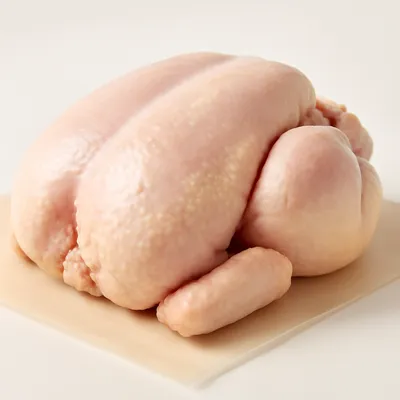

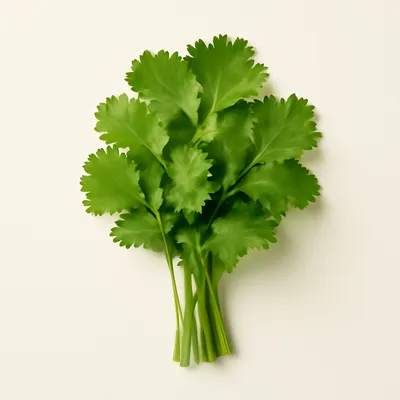
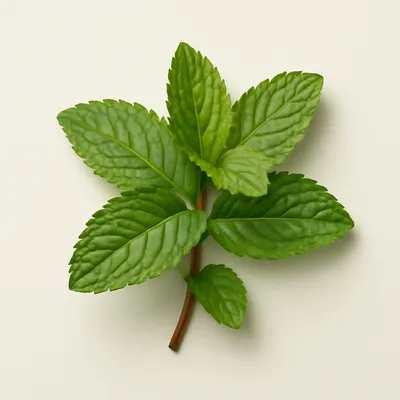

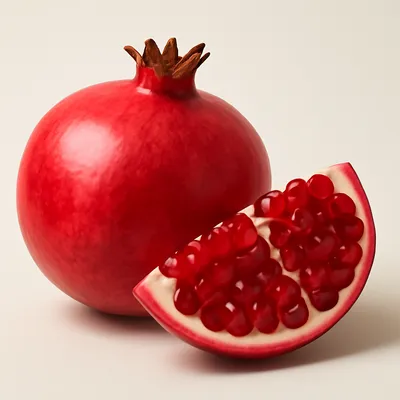
Morgh-e torsh ("sour chicken") is a folk dish of Gilan and neighboring Mazandaran on the Caspian coast; like most of the region's cooking it has no recorded inventor or date. Its character comes straight from the terroir of the humid northern lowland, where heavy rainfall and a near-Mediterranean climate give a cooking grammar built on fresh herbs, garlic, walnut, and sour citrus that reads closer to the Caucasus than to Tehran. The defining sour note is often naranj, the bitter Seville-type orange: of all citrus it is the most cold-resistant, and in rainy, wind-blasted Gilan it is the principal crop, so its juice and that of sour pomegranate became the everyday souring agents of the northern table. The dish sits in the same Caspian walnut-and-pomegranate family as fesenjan and anar bij, but it is built around bone-in chicken and a far heavier load of green herbs, which is what makes it specifically a torsh — a sour stew — rather than a sweet-rich one.
The chicken comes apart in a thick, almost paste-like green sauce, dark from long-cooked herbs and slicked with walnut. The dominant note is sour — bright and citrusy from naranj, deeper and fruitier from pomegranate — laid over a savory, grassy wall of parsley and cilantro, with garlic running underneath. Where walnut is used it rounds the edges and lends a faint earthy bitterness that the acid keeps in check. It eats cleaner and far more tart than fesenjan, the herbs and sour fruit doing the work that sweetness does down south.
The flavor is built by cooking the herbs down before anything else: parsley, cilantro, mint, and chives are minced fine and sweated slowly in oil so their raw, grassy volatiles cook off and their color and aroma deepen, which is why the finished sauce tastes concentrated rather than green and harsh. The souring is acid chemistry on two fronts — naranj brings citric acid, sour pomegranate brings citric and malic — and that acidity does more than season: it brightens the herbs and, where walnut is added, keeps its bitter ellagitannins in check so the ground nut reads rich rather than astringent. Bone-in chicken is the right cut here because the long, gentle braise melts its connective collagen into gelatin, which thickens and glosses the sauce from within and keeps the meat moist. The acid goes in toward the end and is balanced by taste, since too much too early would tighten the chicken's proteins and turn the meat dry before it has a chance to soften.
Variations
The sour element shifts by household and what the season offers: naranj juice, sour-pomegranate juice or paste, verjuice, sour plums, or plain lemon, alone or combined. The walnut is not universal — many cooks add a cup of ground walnut for body and a fesenjan-like depth, while others leave it out for a leaner, purely herb-and-sour braise. Some Gilani and Mazandarani versions stir in yellow split peas to thicken and stretch the pot. The herb blend ranges wider than the parsley-cilantro-mint-chive core, picking up dill, tarragon, or native northern greens. A plant-based take swaps the chicken for oyster mushrooms while keeping the herb-and-sour frame intact.
On the Palate
Where Morgh-e Torsh sits in the Persian flavor cloud
Ingredients
Serves 4


How it's made
8 steps · 30 min
- 112 min
Joint a chicken into bone-in pieces, pat dry, and season with salt, pepper, and turmeric.
- 215 min
Mince a large mix of parsley, cilantro, mint, and chives or green onion very fine.
- 320 min
Sweat the herbs in oil over medium-low heat until they darken and smell deep and concentrated, then set aside.
Watch outCook the herbs low until they darken and the raw grassy smell turns deep and concentrated — this is what makes the sauce taste rich, not green.
- 412 min
Brown the chicken pieces with sliced onion in the same pan until lightly colored.
- 53 min
If using, stir ground walnut into the herbs, then return both to the pan with the chicken.
- 660 min
Pour in water to barely cover, bring to a low simmer, cover, and braise 60 minutes until the chicken is tender.
- 718 min
Stir in naranj juice and pomegranate, then simmer uncovered 15 minutes more; taste and balance the sourness.
Watch outAdd the sour agents at the end and taste as you go — the acid should brighten the herbs, not bury them.
- 85 min
Rest briefly and serve over Persian white rice.
Archive tool suggestions — not reviewed
These legacy suggestions have not been evidence-reviewed and are not presented as required tools.