A platter of fresh raw herbs — tarragon, basil, mint, cilantro and more — arranged with radishes, scallions, walnuts and a wedge of salty white cheese, set on the table alongside nearly every Persian meal. Diners tear off sprigs by hand and fold them into flatbread with cheese and a walnut for a fresh, peppery, herbaceous bite between mouthfuls of rice and stew. It is less a dish than a fixture: a bright, crunchy counterpoint that runs through the whole meal. Crispness and absolute freshness are the only requirements.
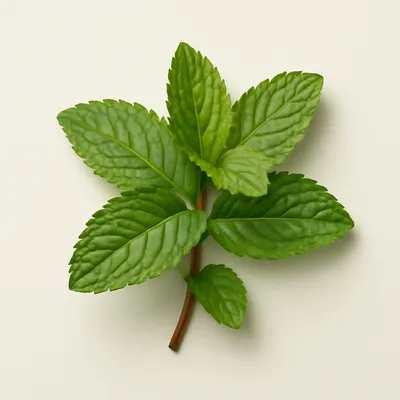

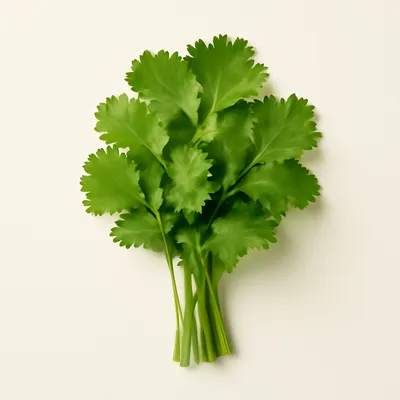


Sabzi khordan means simply 'eating greens,' and the custom of finishing a meal with raw herbs runs deep in Iranian food culture, where fresh sabzi is treated as essential to both flavor and health. There is no single recipe or inventor — it is a way of eating rather than a composed dish, varying with the season and what the market offers. The herbs chosen are the same aromatics that flavor Persian cooking from the inside, here served whole and raw, and the platter doubles as a digestive and a palate-cleanser through the meal.
Bracingly fresh and green, each herb pulling its own note — anise from tarragon, sweetness from basil, cool sharpness from mint, a grassy edge from cilantro. Radish and scallion add a crisp peppery snap, walnuts an oily richness, and the cheese a salty, creamy anchor that ties the bundle together. Folded into warm bread it eats clean and lively, resetting the palate between richer bites. Texture is all crunch and snap.
Everything turns on freshness and crunch, so the herbs are washed and soaked in cold water to crisp them and shed grit, then thoroughly dried so the platter does not go limp or watery. Pairing the peppery, anise and cooling herbs against the salty cheese and rich walnuts is a deliberate balance — raw aromatics cut fat and brighten the palate, while the cheese and nuts round their sharpness. Served raw and whole, the volatile oils in the herbs stay vivid, which is exactly the point.
Variations
The herb mix shifts with the season and the cook — tarragon, basil, mint, cilantro, chives, summer savory and watercress are common, in any combination. Some platters lean heavily on radish and scallion, others add fresh walnuts, fava beans in spring, or a few sprigs of dill. The cheese is usually a feta-style white cheese, and warm flatbread always sits alongside. In essence, whatever fresh herbs are best that day go on the plate.
On the Palate
Where Sabzi Khordan sits in the Persian flavor cloud
Ingredients
Serves 6How it's made
7 steps · 15 min
- 13 min
Pick over the fresh herbs, discarding any wilted or yellowed leaves and tough stems.
- 24 min
Wash the herbs and radishes thoroughly, then soak briefly in cold water to crisp them.
Watch outToss any wilted or yellow leaves — this plate lives on freshness, and one limp sprig drags the whole platter down.
- 33 min
Drain well and dry the herbs completely so the platter stays fresh and dry.
Watch outSoak the herbs in cold water just long enough to crisp and shed grit — a short dunk, not a long soak.
- 42 min
Trim and slice the radishes and scallions, keeping them whole or halved for crunch.
- 52 min
Cut the salty white cheese into a wedge or cubes and set out the walnuts.
- 61 min
Arrange the herbs, radishes, scallions, cheese and walnuts on a serving platter.
Watch outDry the herbs bone-dry before they hit the plate — leftover water makes the platter go limp and puddly.
- 70 min
Serve immediately alongside warm flatbread, to be torn and folded by hand at the table.
Archive tool suggestions — not reviewed
These legacy suggestions have not been evidence-reviewed and are not presented as required tools.



