
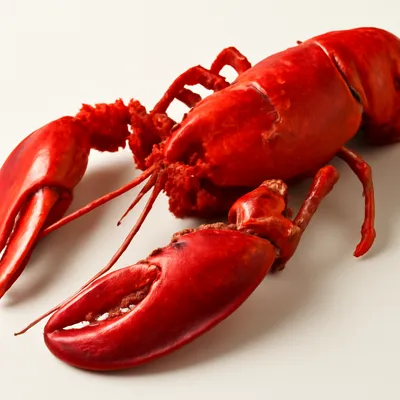
The island taverna's special-occasion dish — popular across the Cyclades and Dodecanese, especially in the small ports of Sifnos, Mykonos, and Karpathos. Spiny lobster (astakos — no claws) is cut up live, simmered in a light tomato-wine broth so the shell flavors the sauce, then a kilo of spaghetti is cooked directly in that broth. The shot of ouzo at the end is the island move.
Long flat pasta tangled with lobster meat in a tomato sauce sharp with ouzo and orange zest. The lobster shells got sautéed in olive oil before the tomatoes went in, so every strand of pasta tastes faintly of the sea.
The carotenoid pigments in lobster shells dissolve into oil at 80°C — that's why a proper Cycladic chef sautés the shells before adding anything else. Without that oil-extraction step, the sauce stays orange-tomato red but never picks up the deep brick-red that signals real shellfish stock.
Variations
Cycladic versions stay tomato-based; Cretan astakomakaronada uses ouzo instead of brandy; the modern Athenian version adds heavy cream — three intensities of richness.
On the Palate
Where Astakomakaronada sits in the Greek flavor cloud
Ingredients









How it's made
6 steps · 1 hour
- 14 min
Cut a live spiny lobster (or thawed whole lobster) into 4-6 pieces through the joints, reserving any roe and the head.
- 28 min
Heat olive oil in a wide deep pan; sauté lobster pieces shell-side down 3-4 minutes until shell turns deep red.
Watch outWait until the shells flush a deep red and you smell toasted shellfish before adding anything else.
- 31 min
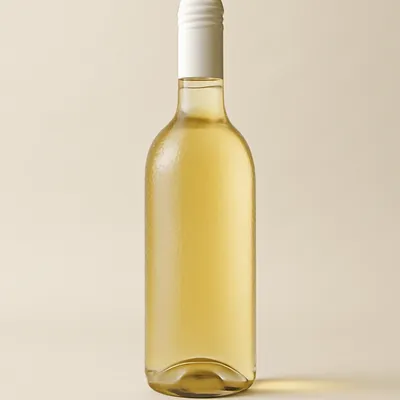
Add chopped garlic; pour in white wine and let it bubble 1 minute. Add crushed tomato, a ladle of fish stock or water, salt, and pepper.
- 415 min
Cover and simmer 12-15 minutes until lobster meat just turns opaque. Remove lobster pieces; keep warm.
Watch outPull the lobster the moment the meat turns opaque so it doesn't toughen while the pasta cooks.
- 58 min
Bring the sauce to a vigorous boil; add raw spaghetti directly into the sauce, adding hot water as needed to keep pasta submerged. Cook al dente, stirring often.
Watch outKeep the pasta just submerged, adding hot water bit by bit, and stir often so it doesn't stick.
- 65 min
Pour a shot of ouzo into the pan and toss for 30 seconds. Plate the pasta with lobster pieces on top, scatter fresh parsley.
Archive tool suggestions — not reviewed
These legacy suggestions have not been evidence-reviewed and are not presented as required tools.


