Nigiri sushi made from pike conger eel (hamo), a summer Kyoto specialty. The fish has hundreds of tiny bones that must be sliced through with a special technique called hone-giri (bone cutting) — fine, rhythmic cuts every 2mm without piercing the skin. A benchmark of traditional Kyoto cuisine skill, eaten in summer and at Gion Festival.


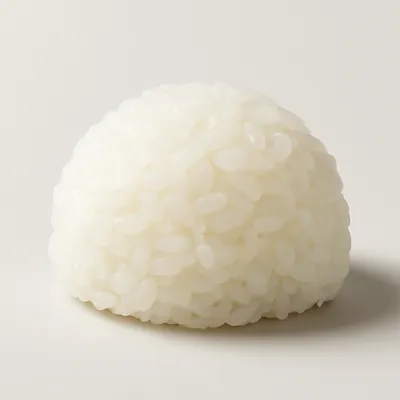
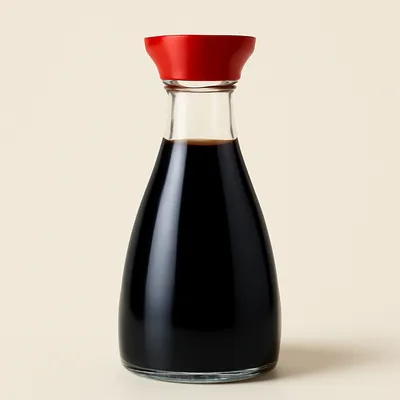


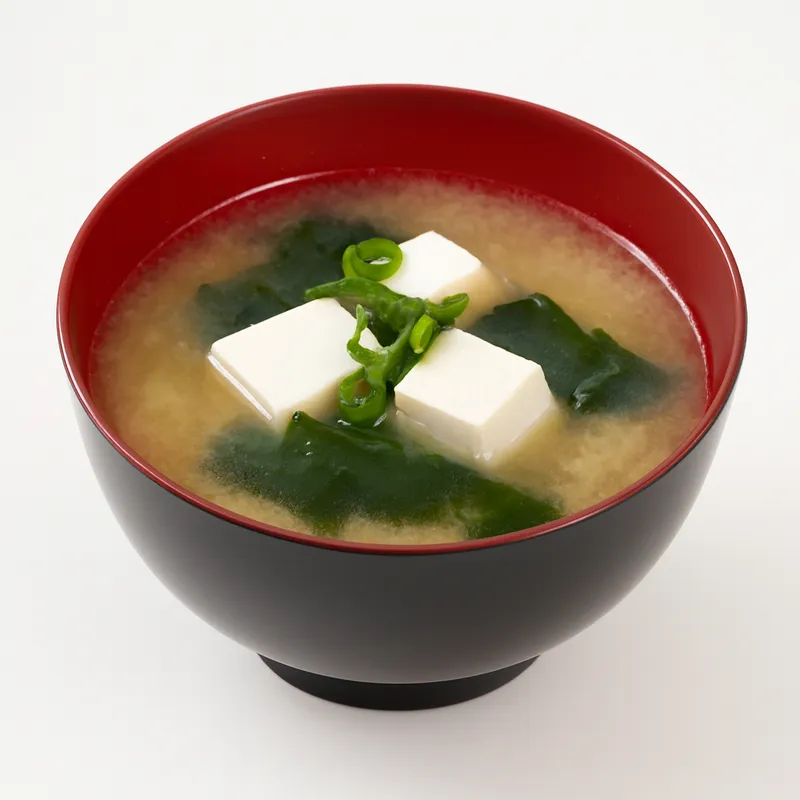
Hamo (pike conger eel) sushi is the symbol of Kyoto summer cuisine. Because Kyoto is far from the sea, fresh ocean fish was historically hard to obtain; hamo, which survives transport alive, became a prized summer fish. The hone-giri bone-cutting technique was developed in Kyoto over centuries because hamo has hundreds of Y-shaped bones that cannot be removed individually. The technique requires years of apprenticeship. Hamo is most associated with the Gion Festival in July, when Kyoto restaurants feature it in multiple preparations.
A piece of hamo sushi has a thin slice of white, bone-scored fish over warm shari, often with a brush of sweet nikiri glaze and a dab of karashi mustard. The flesh, despite being a tough fish, has been rendered delicate by the bone-cutting — each tiny cut makes the bite tender. The flavor is clean and slightly rich. Eaten in one bite, with the karashi adding heat.
Hamo sushi's preparation is one of the most demanding in Japanese cuisine. The fish is filleted, then the hone-giri technique is applied: the knife makes cuts 1-2mm apart, severing the hundreds of small Y-shaped bones without cutting through the skin. The score-cut flesh, when cooked or dressed, gives way cleanly under tooth. Hamo is then briefly blanched in boiling water with a little vinegar (which firms the flesh and turns the skin bright), shocked in ice water, and sliced for nigiri. Karashi (Japanese mustard) is the traditional accompaniment — its heat cuts the fish's richness.
Variations
Hamo is also served as sashimi (yubiki style), in nabe, or with ume plum sauce.
On the Palate
Where Hamo Sushi sits in the Japanese flavor cloud
Ingredients
Serves 2How it's made
6 steps · 30 min
- 110 min
Fillet hamo; remove the central spine.
- 240 min
Apply hone-giri: make 1-2mm cuts across the flesh without cutting through skin, severing the small bones.
Watch outMake the hone-giri cuts one to two millimeters apart through the flesh but not the skin — this severs the hundreds of tiny bones so it gives cleanly under the tooth.
- 35 min
Cut the scored fillet into nigiri-sized pieces.
- 45 min
Blanch briefly in boiling water with a little vinegar, then shock in ice water.
Watch outBlanch briefly with a little vinegar, then shock in ice water — the quick heat firms the flesh and brightens the skin, and the ice stops it cooking further.
- 53 min
Form nigiri with shari; press a hamo slice on top.
- 62 min
Brush with nikiri glaze; add a dab of karashi mustard; serve immediately.
Archive tool suggestions — not reviewed
These legacy suggestions have not been evidence-reviewed and are not presented as required tools.