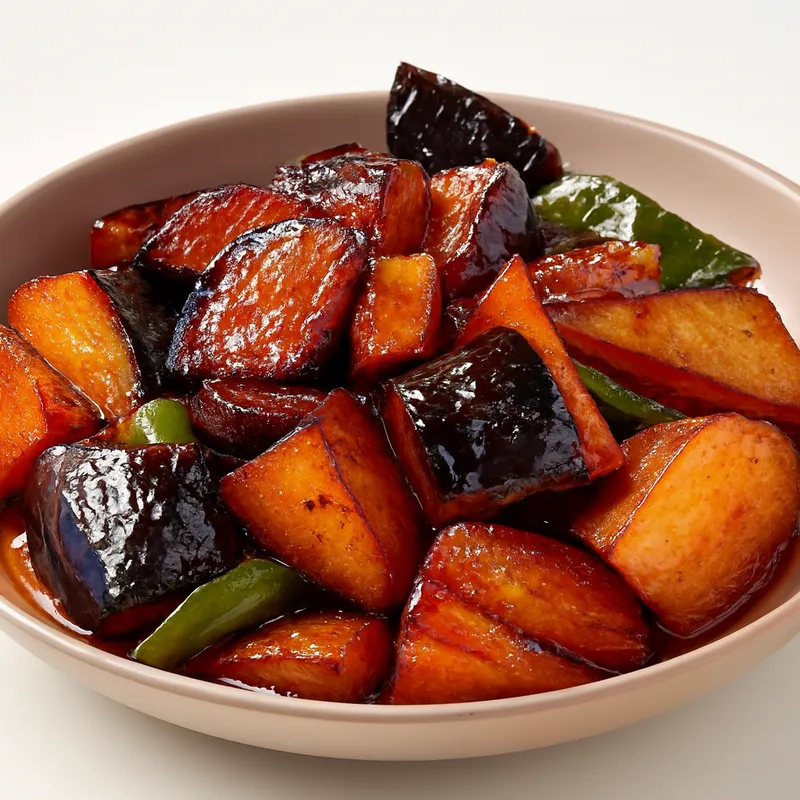
A hot pepper-broth soup noodle from Hou'an Town in Wanning, Hainan, and one of the island's four famous rice noodles. The noodle is flat and thin, steamed as a sheet from rice slurry and then cut into strips rather than extruded round, so it is soft and tender with a faint spring. A bowl is built to order in seconds: the noodle is dropped in with lean pork and pork offal — large and small intestine, the fine intestine known as 粉肠, tripe, sometimes kidney — and an egg cooked in the stock, then a cloudy pork-bone-and-offal broth is ladled over, scented heavily with white pepper and topped with scallion and fried shrimp. Where Wenchang's Baoluo noodle sits in a clear sweet broth, Hou'an noodles come in a rich, turbid, peppery soup.


Hou'an Rice Noodles take their name from Hou'an Town in Wanning, Hainan, and are one of the 海南四大名粉, the island's four famous rice noodles, alongside the Haikou Hainan rice noodle, Wenchang's Baoluo noodle, and Lingshui's sour noodle. The documented spread of the dish is recent: the version eaten across Hainan today traces to a Wu-family noodle-soup shop in Hou'an Town, which began selling it from a small house as early as the 1960s and became widely known by the 1990s; in recent years a local Hou'an rice-noodle-soup association has worked to build it as a brand. The dish is popularly said to reach back to the Song dynasty on the strength of a line attributed to a Wanning gazetteer, but that citation could not be independently confirmed and is treated here as folk tradition; the firm history is twentieth-century.
The noodle is flat, thin, and silky, soft enough to almost melt yet with just enough body to hold in the soup; locals say to eat it while it stays under the broth so the cut ends don't catch. The broth is the point — cloudy and rich from long-cooked bone and offal, but lifted and made bright by a heavy hand of white pepper that warms the throat and cuts the porkiness. The offal is clean and tender, the lean pork sweet, the egg soft, the fried shrimp and scallion a savory-aromatic finish. A good bowl is peppery and full-flavored over a freshly simmered cloudy stock; a poor one is muddy and heavy without the pepper-lift, or carries offal that smells of the pig because it was not cleaned or simmered enough.
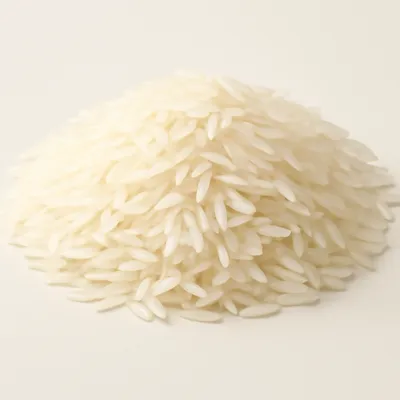
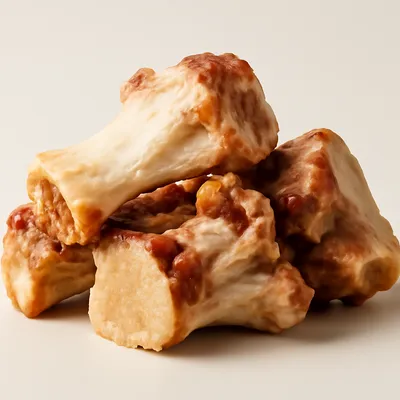
Two things make the bowl: a sheet-cut noodle and a peppery offal broth. The noodle is rice — local long-grain rice is stone-milled to a slurry, steamed on a tray into a thin translucent sheet, and cut into flat strips, which is why it is broad and tender rather than round and chewy; this is the same family as the rice sheet-noodle 沙河粉, not an extruded strand. The broth is simmered for hours from pork bone with assorted offal — intestine, 粉肠, tripe — until gelatin and fat emulsify into a cloudy, rich stock, deliberately turbid where Baoluo's is kept clear. White pepper is the defining seasoning and does real work: it is built into the broth and added again to taste, both deepening the savor and, by its warm pungency, masking the off-aroma of the pork offal. Because the noodle is pre-steamed, a bowl is assembled almost instantly — noodle, meat, egg, then a ladle of boiling broth — so the heat of the soup is what brings it together at the table.
Variations
Among the four Hainan noodles, Hou'an is the flat-noodle, cloudy-broth, pepper-forward one. The Haikou Hainan rice noodle is fine and dry-tossed in a savory fermented-beancurd gravy; Wenchang's Baoluo noodle is coarse and round in a clear, faintly sweet bone broth; Lingshui's sour noodle is a fine strand served cool and sour with dried seafood. Within Hou'an itself the offal mix varies — large and small intestine and 粉肠 are standard, with tripe, lean pork, and sometimes kidney — and stalls may add fried shrimp, bean sprouts, or pickled greens; yellow-lantern chili or extra white pepper is offered at the table. A simplified home version drops the offal for lean pork, shrimp, and egg, but the offal broth is the dish's true form, and locals insist its secret is nothing but the freshness of same-day local pork.
On the Palate
Where Hou'an Rice Noodles sits in the Chinese flavor cloud
Ingredients
Serves 4


How it's made
7 steps · 45 min
- 140 min
Make the noodles: stone-mill soaked rice into a smooth slurry, spread a thin layer on a tray, and steam it into a translucent sheet; cool, then cut the sheet into flat strips.
- 215 min
Clean the pork offal thoroughly — large and small intestine, 粉肠, tripe — rubbing with salt and rinsing well to remove any off-smell.
- 3240 min
Simmer pork bones with the cleaned offal and lean pork over low heat for several hours into a rich, cloudy broth, adding plenty of white pepper to the pot.
Watch outSimmer the bones and offal for hours until the broth turns cloudy and rich — this one is meant to be turbid, so let the gelatin and fat emulsify; go heavy on the white pepper.
- 48 min
Lift out the cooked offal and lean pork and slice them; cook eggs gently in the simmering broth, and fry a little dried shrimp until crisp.
- 51 min
Blanch a portion of the flat noodles in boiling water for only seconds, just to heat through, then lift into a bowl.
Watch outBlanch the flat noodles for only seconds, just to heat through — the rice sheet-noodle is tender and turns to mush the moment it overcooks.
- 61 min
Lay the sliced offal, lean pork, and an egg over the noodles, and scatter with scallion and fried shrimp.
- 71 min
Ladle the boiling cloudy broth over the bowl, add more white pepper to taste, and serve hot, with yellow-lantern chili on the side.
Archive tool suggestions — not reviewed
These legacy suggestions have not been evidence-reviewed and are not presented as required tools.