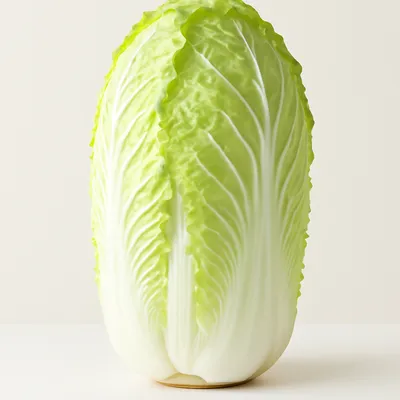
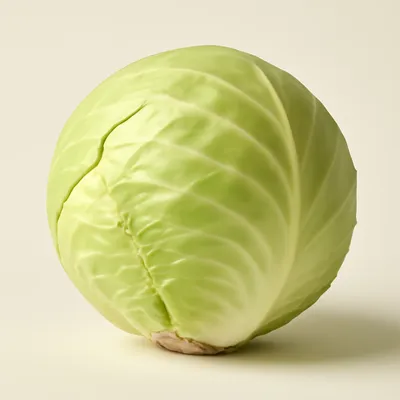
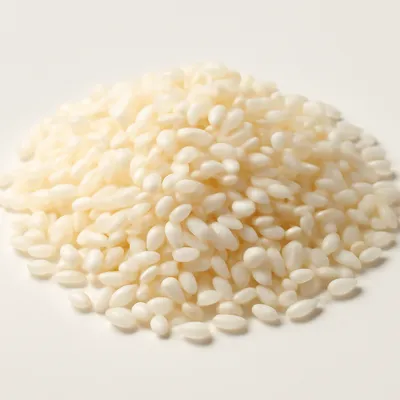
Byeongcheon-sundae is the blood-sausage style of Byeongcheon, a market town in the Dongnam district of Cheonan in South Chungcheong (Chungnam), central Korea. Unlike the cheap factory sundae that is packed mostly with sweet-potato glass noodle, the Byeongcheon style stuffs a thin pork small intestine with a vegetable-forward mix of napa and ordinary cabbage, onion, scallion and a little glutinous rice, bound with a generous share of pork blood and only a small amount of glass noodle. The result is leaner, cleaner and softer to chew than the glass-noodle-heavy versions. It is most often eaten not as a dry snack but as sundae-gukbap, the sliced sausage served in a clear, pale pork-bone broth with rice. The dish takes its name and reputation from the sundae alley beside the old Aunae five-day market.



Byeongcheon (竝川) lies in Cheonan, Chungnam, beside the Aunae (아우내) market where Yu Gwan-sun and townspeople raised the cry for independence during the March 1st movement of 1919; the name Aunae, meaning the place where two streams join, was rendered into the hanja 竝川. The market itself is old: the Mokcheon-eupji gazetteer of 1779 already records a Byeongcheon market opening on days ending in 1 and 6, and a five-day market still meets on those dates. The sundae trade, however, is a 20th-century development: after a ham and pork-processing plant was set up near Byeongcheon in the 1960s, cooks began using the readily available intestines and blood to make a vegetable-heavy sausage, first sold from stalls only on market days. The shop usually called the original of the alley, Cheonghwa-jip, is said to have moved from a street stall into a fixed storefront in 1968, and the city's exemplary-restaurant designations along the street date from 1998; many sundae houses now line what is signposted as Aunae Sundae Street.
Served hot in its bowl of broth, a slice of Byeongcheon-sundae shows a dark, almost mahogany cross-section flecked with pale cabbage and the odd translucent strand of noodle. The thin small-intestine skin is tender rather than rubbery, giving way easily, while the filling is soft and moist, loosely set by the blood rather than dense and packed. The taste is savory and mildly mineral from the blood, sweetened and lightened by the cabbage and onion, with far less of the starchy chew that defines glass-noodle sundae. The clear pork-bone broth around it is pale and clean, rich without being greasy, easy enough that newcomers to blood sausage can drink it down.
The lightness is built into the ratios. Using the pig's thin small intestine instead of the fat large intestine gives a delicate skin and far less of the offal smell, which is also why the casing is first scrubbed clean with coarse salt and flour. Inside, cabbage and onion are the bulk, so the filling stays loose and juicy rather than gummy; sweet-potato glass noodle, whose starch swells and turns chewy when cooked, is used only in a small amount so it does not dominate. Pork blood is the binder: as the stuffed sausage is steamed or gently boiled, the blood's proteins coagulate around 70 to 80 degrees Celsius, trapping the vegetables and rice in a soft, sliceable set without any egg or flour. For the soup the blanched pork bones and meat are simmered long and low, kept near but below a rolling boil so the broth stays clear and pale rather than turning cloudy, and the cooked sausage is sliced into it to order.
Variations
Korea has several distinct sundae traditions, and Byeongcheon sits at the leaner, more vegetable-and-blood end of the range. Baekam-sundae from Baekam in Yongin, Gyeonggi, is also vegetable-rich but folds in tofu and bean sprouts; abai-sundae, the Hamgyong-style sausage kept alive in the Abai village of Sokcho, uses the fat large intestine packed with glutinous rice, blood and dried cabbage and runs lighter on blood. Against all of these stands the ubiquitous factory dangmyeon-sundae, stuffed mostly with cheap glass noodle, which is the foil Byeongcheon defines itself against. Even within Byeongcheon the alley's shops differ in their blood-to-vegetable ratio and seasoning, and the sausage can be eaten three ways: steamed and sliced on a plate, in sundae-gukbap with rice, or simmered into the spicy stir-fry sundae-bokkeum.
On the Palate
Where Byeongcheon-sundae sits in the Korean flavor cloud
Ingredients
Serves 6


How it's made
7 steps · 1 hour 30 min active + 1 hour waiting
- 120 min
Turn the pork small intestine inside out and scrub it thoroughly with coarse salt and a little flour, rinsing several times until clean and free of odor, then set aside.
Watch outScrub the turned-out intestine with coarse salt and flour and rinse repeatedly until it is squeaky clean and free of any offal smell.
- 215 min
Finely chop napa cabbage, ordinary cabbage, onion and scallion; salt the cabbage briefly and squeeze out excess water so the filling will not be watery.
- 315 min
In a large bowl combine the chopped vegetables, cooked glutinous rice, a small amount of softened sweet-potato glass noodle cut short, minced garlic, doenjang and seasoning, then mix in the pork blood until evenly bound.
- 420 min
Tie one end of the cleaned intestine, loosely fill it with the mixture leaving room to expand, and tie off the other end into sausages.
Watch outTie one end, then fill loosely leaving clear room to expand before tying off — this slack is what stops it bursting.
- 540 min
Steam the filled sausages, or simmer them gently below a hard boil, for about 30 to 40 minutes until the blood has set and a skewer comes out clean; rest before slicing.
- 6120 min
For the broth, blanch pork bones and pork meat in boiling water, discard that water, then simmer fresh water with the bones, meat, onion and garlic over low heat for a couple of hours, skimming, until pale and clean.
Watch outBlanch the bones first and discard that water, then simmer low without a rolling boil so the broth stays clear and pale.
- 710 min
Slice the cooled sundae crosswise; warm the slices in the strained broth, ladle into bowls over rice, and serve with salted shrimp, gochugaru and chopped scallion on the side.
Archive tool suggestions — not reviewed
These legacy suggestions have not been evidence-reviewed and are not presented as required tools.