Wide rice-flour sheets steamed on an oiled flat tray, rolled around a filling of prawn, char siu pork, or minced beef while still hot, then cut into sections. Finished at the table with a pour of sweetened thin soy sauce, a drizzle of sesame paste thinned with water, and optional chili oil. The sheet should be slippery and just hold its roll without tearing.
Cheung fun traces to the villages of the Pearl River Delta and became a fixture of Hong Kong dim sum parlours and cha chaan tengs. Dedicated cheung fun shops with open kitchens, where customers can watch the trays being slid in and out of steamers, remain common in Hong Kong today.
A long white roll of rice-flour sheet, slit to reveal the filling inside — prawn, char siu, or beef — then cut into six to eight sections. Two sauces are poured at the table: a thin sweetened soy sauce, and sesame paste thinned with hot water so it drizzles rather than drips. The sheet is translucent, very slippery, and barely holds its roll shape. A pair of chopsticks or a spoon — if it slips, that is correct. The filling flavour comes through the neutral sheet clearly.
Cheung fun is made from a batter of rice flour and tapioca starch poured onto an oiled flat tray, then steamed for 2–3 minutes. The batter is very thin — roughly the consistency of heavy cream. As it steams, the starch gelatinizes from the bottom up; the tray is slid out while the top surface is still glossy and barely set, and the filling is placed immediately. The roll must happen while the sheet is above 70°C or it sticks to itself. A small proportion of wheat starch (澄面) and/or tapioca/corn starch (about 15–20%) is added for slipperiness and pliability — pure rice flour produces a sheet that is firm and dry; many shops also grind aged rice and blend a cooked-batter portion into the raw batter to keep the starch from settling. The tray-steamed method is the Hong Kong restaurant standard; in Guangzhou there are three traditional methods — cloth-steamed (布拉肠), drawer-steamed (抽屉肠), and bamboo-tray (窝篮拉肠).
Variations
Prawn cheung fun is the benchmark order. Char siu filling runs sweeter and less fragrant — the rolling steam slightly overcooks the char siu. Beef cheung fun adds preserved orange peel and soy for a brighter finish. Dedicated cheung fun shops (like Cheung Hing Kee) where you can watch open-kitchen steaming are distinct from dim sum restaurant service.
On the Palate
Where Cheung Fun sits in the Chinese flavor cloud
Ingredients
Serves 2


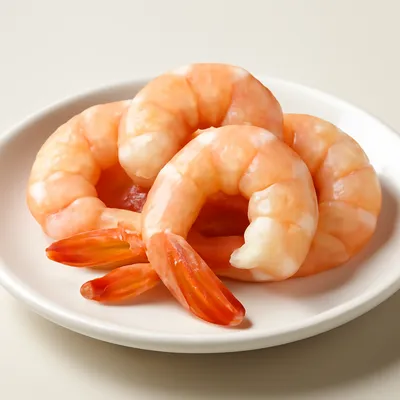




How it's made
7 steps · 30 min
- 112 min
Whisk rice flour and tapioca starch with cold water until completely smooth; let rest 10 minutes.
Watch outAny lumps in the batter create uneven thick patches in the sheet that tear on rolling — whisk until no graininess remains, then strain if unsure.
- 23 min
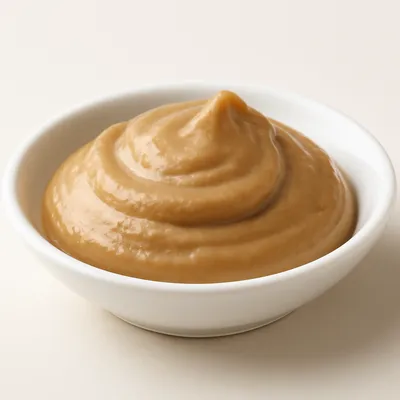
Make the dipping sauce: dissolve sugar in 2 tbsp hot water, stir in light soy sauce; thin the sesame paste with 2 tbsp warm water separately.
- 36 min
Set a large wok or steamer with a flat stainless tray on top; bring the water to a rolling boil and brush the tray generously with vegetable oil.
- 42 min
Pour a thin layer of batter (about 80–100ml) onto the oiled tray, tilt to spread evenly 2mm thick; scatter the filling (shrimp or char siu) over half the batter.
Watch outA batter layer thicker than 3mm produces a sticky, gummy sheet that tears; thinner than 1.5mm tears during rolling — aim for 2mm.
- 54 min
Cover immediately and steam over high heat for 3–4 minutes until the surface of the sheet turns from opaque white to slightly translucent.
- 62 min
Using a flat scraper, roll the sheet tightly from the edge closest to you away from you; cut the roll into 5cm sections.
Watch outRolling too slowly allows the sheet to cool and stiffen, making it crack instead of staying pliable — work quickly while the sheet is still hot.
- 72 min
Plate the cut rolls; pour the sweetened soy sauce over, drizzle the thinned sesame paste, and add chili oil to taste.
Archive tool suggestions — not reviewed
These legacy suggestions have not been evidence-reviewed and are not presented as required tools.