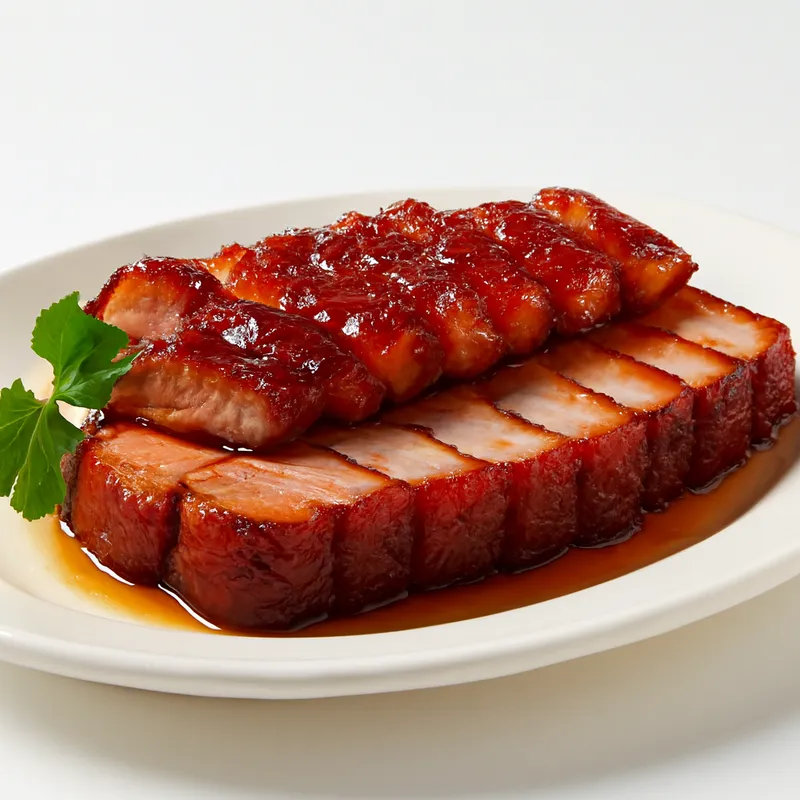
A cold halal specialty of Kaifeng, the signature product of the old Hui-Muslim house Ma Yuxing (马豫兴). A whole hen is left ungutted: the innards are drawn out through a small opening so the carcass keeps its shape, the legs and wings are tucked in, and the bird is trussed and shaped into a stout upright cylinder — a 'barrel' — before being simmered slowly in a long-kept master brine (老汤). It is cooled completely, then chopped or sliced and eaten cold. The point of the dish is texture, not tenderness: the meat is crisp and springy, dense and resilient under the tooth, deliberately the opposite of a soft braise.
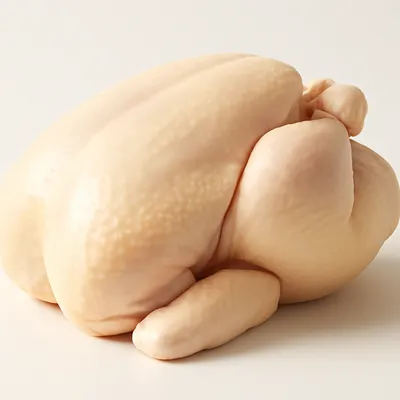




Barrel chicken is tied to the Ma Yuxing house of Kaifeng, founded by Ma Yongcen (马永岑), a Hui-Muslim merchant whose family had been based in Jinling (Nanjing). In the third year of the Xianfeng reign, 1853, with Nanjing's trade in ruins amid the upheavals of the time, Ma carried a barrel of his master brine back to Kaifeng and resumed the business; in the third year of the Tongzhi reign, 1864, the family bought a property by the Drum Tower and gave the shop the name Ma Yuxing — 马 for the family surname, 豫 for Henan, 兴 for prosperity — trading openly as a halal house ('金陵教门'). Working from the chickens abundant on the Central Plain and adapting techniques he knew from Nanjing's poultry trade, Ma developed a hen that was simmered ungutted and shaped into a barrel. Some popular accounts trace the dish all the way to the Northern Song capital here, but that earlier link is not securely documented; the firm record begins with Ma Yongcen in the mid-nineteenth century. In 2007 the dish was listed among Henan's first batch of intangible cultural heritage.
Sliced thin and cold, barrel chicken is firm and springy, with a clean snap rather than a fall-apart give; the skin is taut and faintly chewy, the meat dense and resilient, carrying the savory depth of a long-used brine without tasting heavily spiced. It should be juicy inside despite the firmness, and the bones come away cleanly because the bird was never split open. A poorly made one is either dry and woody from oversimmering, or limp and soft like an ordinary stewed chicken — both miss the whole point, which is that crisp-springy bite eaten chilled.
The texture comes from keeping the bird whole and from a measured, gentle simmer rather than a hard boil. Drawing the guts out through a small opening leaves the carcass closed, so it holds its barrel shape and the meat cooks evenly while staying compact instead of splaying and softening. The chicken is held in brine kept just below a rolling boil: heat sets the muscle proteins and firms the flesh, but a slow simmer stops the proteins over-tightening and wringing out moisture, so the meat firms up springy rather than turning woody. Cooling it completely before cutting is essential — as it chills, the collagen-rich skin and the meat tighten further and set into that crisp, resilient texture, which is why it is always served cold. The master brine (老汤), carried forward and replenished batch after batch, is the flavor backbone: each cooking leaves behind gelatin and savory compounds that build a rounded depth no fresh pot can match, while the closed body keeps the meat from absorbing so much liquid that it goes mushy.
Variations
Within Kaifeng the Ma Yuxing version is the benchmark, traded as a halal product; other shops and home cooks make their own barrel chicken, varying the brine spicing and how long the bird is hung and dried before or after cooking, which shifts how chewy the skin turns out. It is most often eaten plain as a cold cut, sometimes with a dip of garlic, vinegar, or sesame oil. It should not be confused with Daokou braised chicken (道口烧鸡) of Hua County in northern Henan, which is the opposite kind of dish — that bird is braised until soft and falling off the bone, deeply spiced with a five-flavor (五味) blend, whereas barrel chicken is kept crisp-springy and only lightly seasoned.
On the Palate
Where Kaifeng Barrel Chicken sits in the Chinese flavor cloud
Ingredients
Serves 4
How it's made
7 steps · 50 min active + 40 min waiting
- 115 min
Choose a plump hen, ideally a year or two old for firm flesh; pluck and clean it but do not split the body open.
- 215 min
Make a small opening near the vent and draw out all the innards through it, then rinse the cavity clean, keeping the carcass otherwise whole.
Watch outDraw the innards out through the one small vent hole and keep the body closed — an intact carcass is what holds the barrel shape through cooking.
- 310 min
Tuck the wings and legs in against the body and truss the bird with cotton string so it draws up into a stout upright cylinder — the 'barrel' shape.
- 410 min
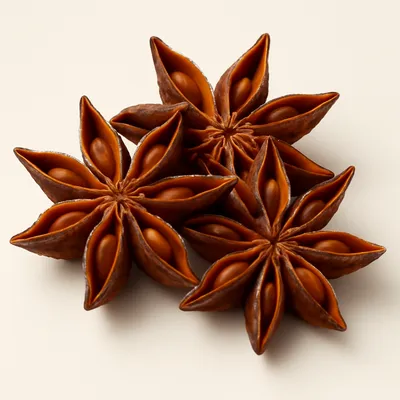
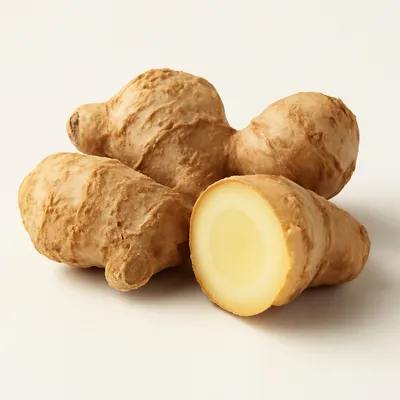
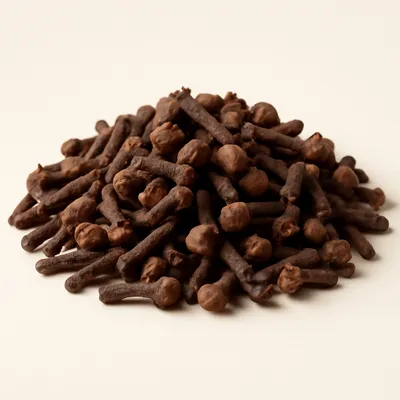
Bring a master brine of soy sauce, salt, ginger, scallion and warm spices (such as star anise, fennel, sand ginger and clove) to a gentle simmer; older replenished brine gives more depth.
- 535 min
Lower in the trussed hen and simmer it just below boiling, skimming as needed, until cooked through but still firm, never at a hard rolling boil.
Watch outKeep the brine at a bare shiver, never a rolling boil — a hard boil wrings the moisture out and turns the meat woody instead of springy.
- 630 min
Lift the bird out, brush it with a little of the brine for sheen, and let it cool completely so the skin and meat tighten and set.
Watch outLet the bird cool completely before you cut it — the skin and flesh tighten and set as it chills, and slicing it warm makes it fall slack.
- 75 min
Untie the string and chop or thinly slice the cold chicken; serve as a cold platter, with a garlic-vinegar or sesame-oil dip if liked.
Archive tool suggestions — not reviewed
These legacy suggestions have not been evidence-reviewed and are not presented as required tools.