
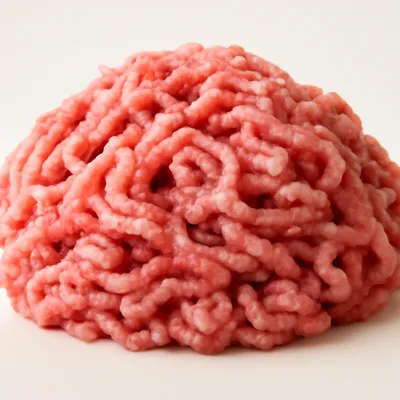
A cold Dongbei opener of raw and lightly blanched vegetables — scallion, cucumber, lettuce, chili, chicory and whatever greens are in season — eaten by dipping straight into 大酱, a salty fermented soybean paste. No cooking ties the plate together; the vegetables stay crunchy and cool, and the fermented paste supplies all the salt and savor. The everyday home version is just a few vegetables beside a bowl of paste; the restaurant version, heaped high on a platter and often built around a basket or a head of cabbage, is called 大丰收 (Great Harvest). The dip itself is frequently enriched into 鸡蛋酱 (egg and paste) or 肉酱 (minced pork and paste).



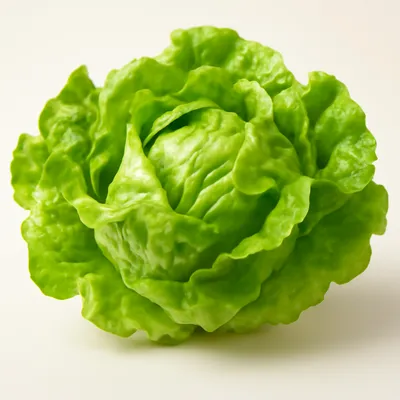

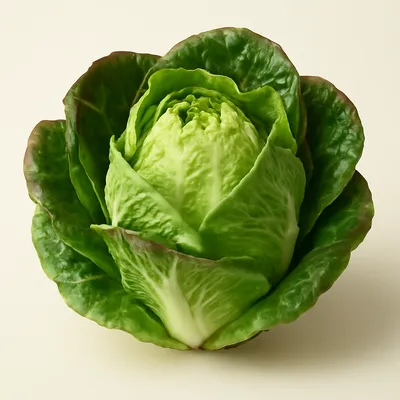
Eating raw vegetables dipped in fermented soybean paste (生菜蘸酱) is a Manchu custom carried down from the Jurchen hunting-and-fishing peoples of the Changbai Mountains, whose cooking leaned on roasting and on house-made paste (大酱 / 盘酱). Manchu households made their own paste as a year-round staple and ate it with raw scallion, baby cabbage, cucumber, and green chili. When the Manchus founded the Qing and moved south of the pass, the dish and its paste were kept on the imperial table so descendants would not forget the plain food of their ancestors — provincial folklore offices in Heilongjiang and the Jilin Manchu Museum both record raw-vegetable-and-paste eating as a defining Manchu foodway. The exact inventor and date are unrecorded, as with most folk customs. The restaurant platter form is a much later, contemporary name: 大丰收 ("Great Harvest"), after the autumn harvest it evokes, heaping the seasonal vegetables together with the bowl of dip.
The pleasure is contrast and crunch. A raw scallion is sharp and watery and bites back; cucumber and chicory are cold and snapping; lettuce leaves are tender and faintly sweet. Against all of them sits the paste — dark, dense, deeply salty, with a mellow fermented funk and a slow umami that coats the tongue. You scoop or wrap rather than soak: too much paste and the vegetable disappears under salt; too little and it tastes of nothing. Good 大酱 is thick enough to cling to a scallion without dripping, brown and glossy, savory rather than merely salty. A thin, raw-smelling, or sharply sour paste means it was under-fermented or has spoiled, and a limp, warm, watery platter has lost the entire point — the vegetables must be crisp and cold.
The vegetables are raw, so the only thing actually "cooked" here is the paste, and it is cooked by microbes. Soybeans are boiled, mashed, and pressed into bricks (酱块) that are hung to dry and seeded with mold; the workhorse is Aspergillus oryzae (米曲霉), which secretes proteases and amylases. By Dongbei custom the bricks are then broken into brine only on set days of the fourth lunar month and left to ferment and mature through the summer sun. During this long maturation the proteases hydrolyze soy protein into free amino acids; glutamic acid and aspartic acid among them are the savory ones — glutamate is the same compound that gives MSG its taste — which is why a spoonful of paste reads as deep umami rather than flat salt. The heavy salt (commonly around 17-20%) is not just seasoning: it suppresses spoilage and pathogenic bacteria so the slow enzyme work can proceed safely. Raw vegetables contribute the counterpoint — turgid, water-filled cells that snap and stay cold — and a brief blanch is used only for tougher seasonal greens, just long enough to soften without going limp. When the paste is built into 鸡蛋酱 or 肉酱, egg or pork fat carries the salt and rounds the edge, but the umami still comes from the fermented base.
Variations
The platter ingredients shift with the season and the cook — beyond scallion, cucumber, lettuce and chili, common additions are chicory (苦苣), perilla leaf, daikon and radish, baby cabbage, garlic chives, and foraged wild greens (婆婆丁/苣荬菜) in spring. The dip is the real axis of variation: plain 大酱; 鸡蛋酱, where the paste is fried with beaten egg; 肉酱, fried with minced pork; and chili-spiked 辣椒酱. The heaped restaurant presentation built around a basket or a head of cabbage is the 大丰收 (Great Harvest) form. The Manchu-influenced cooking of the wider Northeast, including Korean-Chinese (Yanbian) tables, shares the same habit of eating raw leaves wrapped around a dab of fermented bean paste. Note that 大丰收 is also the name of an unrelated Dongbei pork-rib-and-vegetable stew, which is a different dish.
On the Palate
Where Raw Vegetables with Soybean Dip sits in the Chinese flavor cloud
Ingredients
Serves 4
How it's made
7 steps · 15 min active + 5 min waiting
- 14 min
Choose a spread of crisp seasonal vegetables — scallion, cucumber, lettuce, green chili, chicory, baby cabbage — and wash them thoroughly in cold water.
- 25 min
Trim and cut: peel and quarter cucumbers into sticks, cut scallions into finger lengths, leave lettuce and cabbage as whole leaves for wrapping, and halve the chilies.
- 33 min
For any tougher greens, blanch briefly in boiling water just until barely tender, then plunge into cold water and drain so they stay crisp and bright.
Watch outBlanch tougher greens only until barely tender, then plunge into cold water — the shock keeps them crisp and bright green for the platter.
- 43 min
Keep all the vegetables chilled and well-drained, then arrange them heaped on a platter (around a basket or a head of cabbage for the 大丰收 form).
- 52 min
Spoon the fermented soybean paste (大酱) into a small bowl set in the center; thin slightly with a little cooled boiled water if it is too stiff to scoop.
Watch outThin the fermented soybean paste with a little cooled boiled water if it's too stiff to scoop — it should dip, not clump.
- 65 min
Optional 鸡蛋酱: fry the paste in a little hot oil, pour in beaten egg, and stir until the egg sets into the paste; or 肉酱: fry minced pork first, then the paste.
- 71 min
Serve cold, dipping or wrapping each vegetable in the paste to taste.
Archive tool suggestions — not reviewed
These legacy suggestions have not been evidence-reviewed and are not presented as required tools.


