Warm japonica rice blended with fermented soybean paste and a rich egg sauce, topped with scallion and cilantro, then bundled tightly in a large cabbage or perilla leaf and eaten out of hand. Rooted in Manchu tradition and linked by legend to Nurhaci's campaigns, this simple wrap embodies Dongbei directness—no utensils, no ceremony, just fragrant rice and bold condiments in a cold-season leaf.



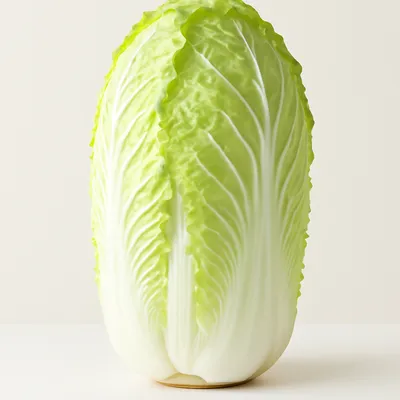

The Manchu name for this dish—falak—means a portable wrapped meal eaten from the hand. Oral tradition holds that during Nurhaci's early 17th-century military campaigns into the Liaoshen region, a farmer fed hungry Eight Banner soldiers by wrapping leftover rice in fresh cabbage leaves with fermented paste and scallions; after becoming emperor at Shengjing, Nurhaci reportedly ordered the imperial kitchen to prepare this dish on the 26th day of the 8th lunar month each year as a memorial of those hard early days. Whether or not the imperial detail is historical, the practice absorbs Manchu hand-eating customs—the same directness seen in eating hand-held meat with dipping sauce—and has persisted in Dongbei households for over four centuries.
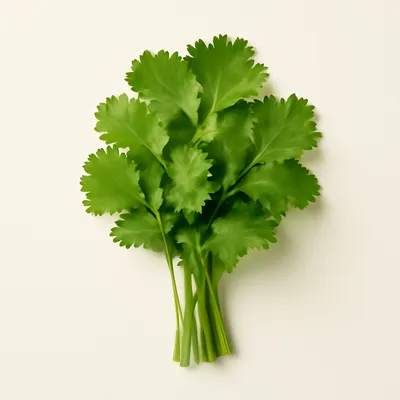
The first bite compresses cool, crinkled cabbage against warm sticky rice—steam escapes against your lips. Fermented paste delivers miso-deep salinity; scallion brings pungent brightness; cilantro cuts through with grassy freshness. Dense and complete in every mouthful.
Japonica rice is the structural backbone: its high amylopectin content gelatinizes into a cohesive, sticky mass that holds together when compressed inside a leaf. Fermented soybean paste contributes glutamate and Maillard-derived aromatic byproducts from months of fermentation, delivering depth without any cooking. The cabbage leaf regulates moisture: its waxy cuticle keeps the wrap structural while the inner cell wall absorbs surface rice moisture, preventing sogginess. The differential texture—snapping leaf, yielding rice—creates layered mechanical contrast with each bite.
Variations
Perilla leaf wrap: intense anise-herbal aroma, common in Jilin and Korean-border areas. Egg sauce filling: scrambled egg stir-fried with fermented paste—richer and milder than plain paste. Mixed-grain base: glutinous millet blended with japonica rice, adding a chewier, nuttier texture. Summer versions add raw cucumber batons; winter versions incorporate sour fermented cabbage.
On the Palate
Where Dongbei Leaf-Wrapped Rice sits in the Chinese flavor cloud
Ingredients
Serves 4

How it's made
7 steps · 50 min
- 140 min
Wash japonica rice, soak 30 minutes, and cook in a rice cooker using slightly less water than usual to produce firm, sticky grains; keep covered 10 minutes after the cycle ends.
Watch outUse slightly less water than usual so the rice comes out firm and sticky — too soft and it won't hold together compressed in the leaf.
- 215 min
Peel and dice one medium potato; boil until completely tender; drain and mash smooth with a pinch of salt.
- 35 min
In a small pan over medium heat, lightly oil the pan; scramble 2 eggs until just set; add 2 tbsp fermented soybean paste and stir-fry together 2 minutes into a thick, savory sauce; remove from heat.
Watch outStir-fry the egg and soybean paste two minutes into a thick savoury sauce — thin and watery, it soaks the leaf-wrap soggy.
- 43 min
Rinse large outer cabbage leaves in cold water; shake dry and trim the thick central rib with a knife so the leaf lies flat.
- 53 min
Lay one cabbage leaf flat; spoon 3–4 tbsp cooked rice onto the center and spread flat; top with a spoonful of egg sauce, pinches of scallion and cilantro, and a small mound of mashed potato.
- 62 min
Fold the two long sides of the leaf inward over the filling, then roll tightly from the bottom up, pressing firmly to form a compact parcel.
- 71 min
Serve immediately, holding with both hands and eating without utensils.
Archive tool suggestions — not reviewed
These legacy suggestions have not been evidence-reviewed and are not presented as required tools.


