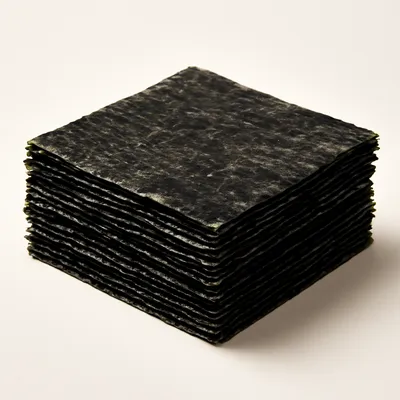
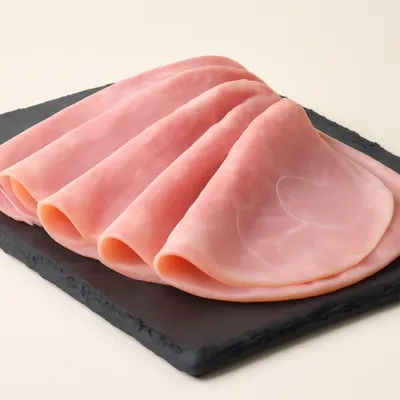
Seasoned short-grain rice spread on a toasted seaweed sheet, layered with pickled radish, egg strips, carrot, and ham, then rolled tightly and sliced into neat rounds. The Yanbian Korean-Chinese version distinguishes itself with sesame-oil-fragrant rice rather than vinegared rice, and locally sourced fillings—equally at home as a daily packed lunch and a festive side.




Gimbap belongs to a Korean tradition of seaweed-wrapped rice predating the Japanese colonial period. A 1819 Joseon seasonal customs text, Yŏryang Sesigi (洌陽歲時記), by Kim Maesun (金邁淳), records cooked rice and filling rolled with dried laver as bokssam, confirming the custom as established practice before Japanese rule. Though the colonial era (1910–1945) brought cross-influence with Japanese makizushi, gimbap developed a distinct identity: seasoned with sesame oil rather than rice vinegar, carrying no raw fish, and compact enough for fieldwork. When Koreans migrated to Yanbian and Manchuria from the late 19th century, gimbap became the ideal portable meal for agricultural labourers. Yanbian versions incorporate local Northeast Chinese produce—regional pickled vegetables, soybean-based ingredients, and cured meats—alongside traditional Korean fillings.
Each round delivers soft, sesame-oiled rice in paper-thin seaweed crunch; pickled radish cuts through with brine-sweet tang; ham adds savory punctuation at the centre.
Short-grain rice owes its cohesion to high amylopectin content—the branched form of starch—which causes grains to adhere to each other and to the seaweed sheet, holding the roll's cross-section intact after cutting. Sesame oil coats each grain with a thin film, reducing inter-grain adhesion enough to preserve individual bite texture while releasing aroma from its characteristic lignan compounds (sesamin and sesamolin). The seaweed sheet rehydrates gradually from the rice's moisture: within about 5 minutes of rolling it transitions from brittle to pliable—the optimal window for cutting clean, compression-free slices.
Variations
1. Ginseng chicken version: shredded ginseng chicken replaces ham for a medicinal-festive flavour. 2. Kimchi version: kimchi spread inside the rice layer for a spicy, tangy roll. 3. Vegetarian version: tofu skin, pickled burdock, and cucumber replace meat fillings.
On the Palate
Where Korean-Chinese Gimbap sits in the Chinese flavor cloud
Ingredients
Serves 2


How it's made
6 steps · 20 min
- 115 min
Cook short-grain rice until tender; while still warm, toss with sesame oil, a pinch of salt, and a few drops of rice vinegar; spread on a tray and fan to cool to just above body temperature.
Watch outToss the rice with sesame oil while warm and fan it to just-above-body-temp — the oil film keeps grains distinct and cooling firms them so the roll holds.
- 23 min
Julienne carrot into fine matchsticks and sauté in a lightly oiled pan over medium heat until just softened, about 2 minutes; season lightly with salt and set aside to cool.
- 33 min
Beat eggs with a pinch of salt and pour into a lightly oiled non-stick pan to make a thin flat omelette; cool slightly and cut into strips.
- 41 min
Lay a sheet of roasted seaweed, shiny-side down, on a bamboo rolling mat.
- 52 min
Spread a thin, even layer of seasoned rice over the seaweed, leaving a 2 cm border clear at the far edge.
- 66 min
Arrange fillings in a horizontal line across the lower third of the rice—pickled radish strips, carrot strips, egg strips, ham slices; roll firmly from the near edge using the mat to maintain even pressure; seal the border with a dab of water; slice into rounds about 1.5 cm thick with a moistened knife.
Watch outRoll firmly with the mat and let it rest about 5 minutes before slicing with a wet knife — the seaweed needs that window to turn pliable so it cuts clean, not cracked.
Archive tool suggestions — not reviewed
These legacy suggestions have not been evidence-reviewed and are not presented as required tools.


