Yangzhou's most prestigious steamed bun: five ingredients cut to deliberately different sizes — sea cucumber, chicken, pork, bamboo shoot and shrimp — each addressing one of five flavour qualities, wrapped in a lightly sweetened slow-fermented dough and steam-puffed until pillow-soft.



An evolution of the three-diced bun at Yangzhou's Fuchun Teahouse, the five-diced variant is attributed to Qing-dynasty cooks who responded to an imperial brief for a bun embodying five qualities: nourishing without over-supplementing (sea cucumber), flavourful without over-pungency (chicken), fatty without over-greasiness (pork), crisp without over-hardness (bamboo shoot), and tender without over-softness (shrimp). The bun was also said to have been invented by a cook surnamed Ding, giving the character '丁' in the name a double meaning. The production technique was designated national intangible cultural heritage in 2008 and recognised by UNESCO in 2022.
A pillow-soft, lightly sweetened bun hiding a tidal pool of savoury filling — each bite delivers a different register: silky sea cucumber, springy shrimp, brothy chicken, meaty pork, crunch of bamboo shoot.
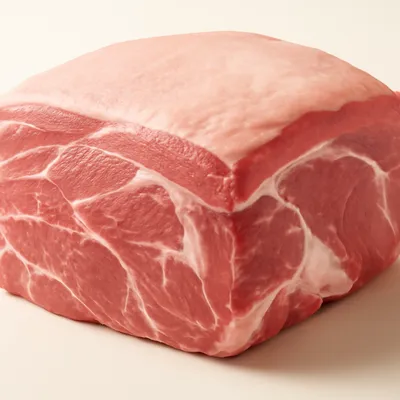
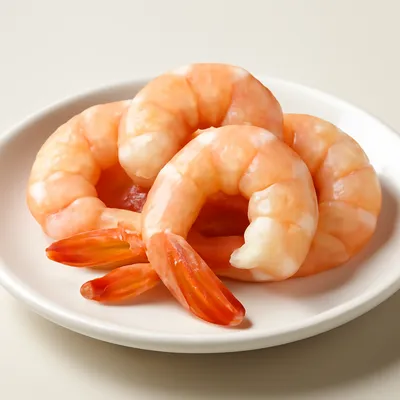
The wrapper uses medium-gluten flour with sugar, yeast and lard; slow fermentation produces a fine, uniform crumb that steams soft and springy without collapsing. Pork-skin aspic mixed into the filling liquefies during steaming, basting the inside of the bun. The five diced ingredients are intentionally cut to different sizes — large chicken, medium pork, small bamboo shoot, smallest shrimp and sea cucumber — so every bite simultaneously samples all five textures, a deliberate expression of the Huaiyang principle that knife-skill directly serves mouthfeel.
Variations
The simpler three-diced variant uses pork, chicken and bamboo shoot only — the everyday Yangzhou standard. A vegetarian five-diced version replaces meat and seafood with five seasonal vegetables. Contemporary versions sometimes add crab-roe aspic for extra soup-filling effect. An autumn limited edition uses hairy crab roe as the fifth ingredient in place of sea cucumber.
On the Palate
Where 五丁包子 sits in the Chinese flavor cloud
Ingredients
Serves 6

How it's made
7 steps · 40 min
- 115 min
Soak dried sea cucumber overnight in cold water; clean and cut to small dice; blanch briefly in boiling water and drain well.
- 220 min
Dice chicken thigh, pork shoulder and bamboo shoot to different sizes (chicken largest, pork medium, bamboo smallest); peel and devein shrimp; stir-fry each ingredient separately in a little pork lard until just cooked; combine and season with soy sauce, sugar, reduced chicken stock and sesame oil; fold in chilled pork-skin aspic cubes; refrigerate until firm.
Watch outCut the five fillings to deliberately different sizes and fold in the chilled skin-aspic; it melts as it steams and bastes the bun from inside — refrigerate the filling firm before wrapping.
- 360 min
Mix all-purpose flour with warm water, sugar, yeast and a small amount of pork lard; knead until smooth and elastic; cover and ferment at room temperature for 1 hour until doubled.
- 410 min
Divide dough into 50g portions; roll each into a round disc, slightly thicker at the centre than the edge.
- 510 min
Place a generous spoonful of chilled filling in the centre of each disc; pleat and seal into a smooth round bun.
- 620 min
Place buns on parchment-lined steamer trays; proof for 20 minutes until visibly risen.
- 712 min
Steam over vigorously boiling water on high heat for 10–12 minutes until puffed and cooked through; serve immediately.
Watch outSteam over a hard boil ten to twelve minutes until puffed and springy — open early or under-steam and the buns wrinkle and collapse.
Archive tool suggestions — not reviewed
These legacy suggestions have not been evidence-reviewed and are not presented as required tools.

