A Hakka celebration dumpling from Yongding County in western Fujian, where boiled taro is mashed and kneaded with sweet potato starch to form a semi-translucent, springy wrapper around a savory filling of pork, mushrooms, and bamboo shoots. Steamed over high heat and eaten warm at festivals.
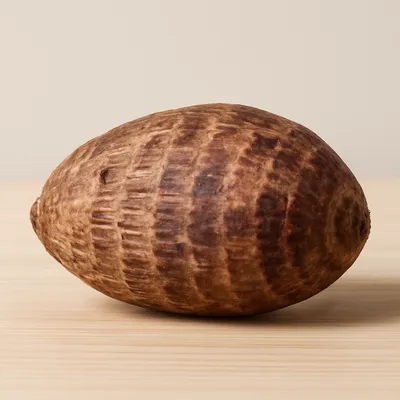


Taro dumplings are rooted in the mountain foodways of Hakka communities settled in Yongding County, deep in western Fujian. Hakka migrants arriving in successive waves from the Tang through Song dynasties found highland taro a reliable staple when paddy land was scarce. Local accounts hold that Buddhist monks at mountain temples cultivated taro as a famine reserve, learning to combine mashed pulp with sweet potato starch into a dough that could wrap savory fillings in the style of northern stuffed buns. By the Qing period, 芋子包 had become a fixture at the Dragon Boat Festival, Double Ninth, and Lunar New Year, with families gathering around the steaming basket as a gesture of reunion.
The wrapper is gently yielding with a subtle, earthy taro flavor and a faint chew from the sweet potato starch; the savory filling of pork, mushrooms, and bamboo shoots releases a burst of umami-rich broth with each bite.
Boiled taro starch granules partially rupture during cooking, releasing amylose and amylopectin into a cohesive paste. Kneaded with high-viscosity sweet potato starch, the two starches cross-link to form a thermoplastic dough. During steaming, the mixture gelatinizes fully around 100°C, setting into a semi-translucent, springy gel. Sweet potato starch's high water-binding capacity keeps the wrapper moist and pliable after cooling, resisting the retrogradation that makes most starch-based wrappers tough and dry.
Variations
Some families add dried squid or cuttlefish to the filling for extra umami. Neighboring Shanghang County has a close relative called 芋包 with a thinner wrapper. The steamer is sometimes lined with banana leaves, which impart a faint floral fragrance to the skin.
On the Palate
Where Yongding Taro Dumplings sits in the Chinese flavor cloud
Ingredients
Serves 4

How it's made
8 steps · 55 min active + 55 min waiting
- 125 min
Scrub taro clean; boil whole and unpeeled in salted water until a chopstick pierces through easily, about 25 minutes.
- 215 min
Drain, peel while still hot, and pound or mash thoroughly to a smooth, lump-free paste; spread on a tray and let cool to room temperature.
Watch outMash the taro smooth while hot and cool it before adding starch — hot paste cooks the starch and the dough turns lumpy and slack.
- 310 min
Knead sweet potato starch and a pinch of salt into the cooled taro paste — roughly 3 parts paste to 1 part starch — until a smooth, non-sticky, pliable dough forms.
- 410 min
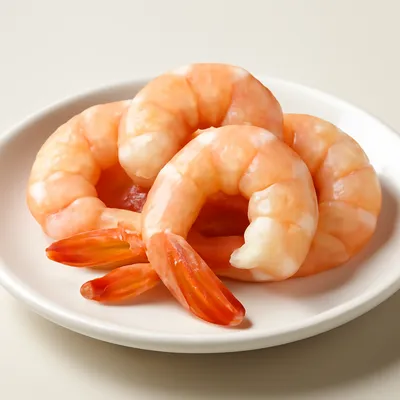
Soak dried shiitake mushrooms until fully rehydrated; finely dice pork, mushrooms, bamboo shoots, and shrimp.
- 58 min
Stir-fry filling with ginger and scallion; season with soy sauce and white pepper; drain excess liquid and cool completely.
- 612 min
Pinch off a golf-ball-sized piece of dough; press flat into a disc 3 mm thick; add filling and seal by pinching and pleating the edges.
- 72 min
Line a bamboo steamer basket with banana leaf or parchment paper; arrange dumplings with room between them.
- 815 min
Steam over high heat for 15 minutes until the wrappers are just translucent; serve immediately with soy sauce and chili dipping sauce.
Watch outSteam fifteen minutes just until the wrappers turn translucent — over-steamed the thin skins slump and the parcels collapse.
Archive tool suggestions — not reviewed
These legacy suggestions have not been evidence-reviewed and are not presented as required tools.


