Cantonese dim sum's supreme display of technical refinement: an alkaline egg-dough dumpling wrapping pork-and-shrimp filling set with a pork-skin-and-agar gelatin that bursts into scalding savoury soup when bitten. Served two per bamboo basket with Zhejiang vinegar.


Cantonese soup dumplings have several centuries of heritage, with preparation methods documented in classical culinary texts. The decisive refinement came in 1930s Guangzhou, when dim sum masters blended agar (大菜) into the pork-skin aspic filling — stabilising it in summer heat — and began kneading the dumpling wrapper with egg liquid and alkaline water to achieve extraordinary thinness without tearing. Each dumpling is served two per small bamboo basket, eaten immediately with Zhejiang black vinegar to cut the richness.
Bite carefully — the soup is scalding. When it fills your mouth, it is deeply savoury, faintly sweet, and almost impossibly concentrated. The wrapper is paper-thin but holds everything in until that precise moment. Then Zhejiang vinegar cuts through the richness, and you want another immediately.
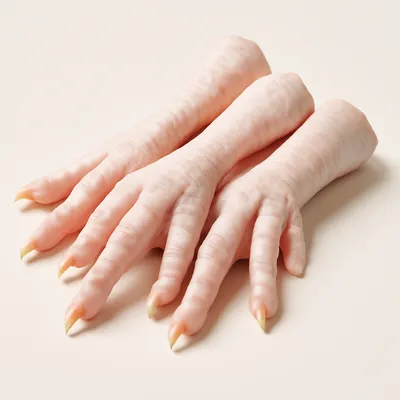
The soup gelatin is made by simmering collagen-rich pork skin and chicken feet with superior stock, then setting with agar. Agar raises the gel's melting point to around 85–90°C — far above room temperature — keeping the filling firm and handleable during wrapping even in summer conditions, which is precisely why Guangzhou dim sum masters added agar to the traditional pork-skin stock. At 100°C steaming temperature, both the agar and gelatin networks collapse simultaneously, the gel liquefies into scalding broth, and it is released in a burst when the wrapper is bitten. The dough made with egg and alkaline water (pH ~9) has phospholipids from egg yolk increasing gluten network extensibility, and alkaline conditions tightening protein bonds — yielding a wrapper that rolls paper-thin without tearing.
Variations
Traditional filling is pork with pork-skin gelatin; premium teahouses offer crab meat and crab roe versions; modern Cantonese-Hong Kong restaurants have shrimp or fish-glaze variants with fish-skin gelatin for a lighter finish. Some contemporary kitchens float the dumplings in superior broth rather than steaming, which prevents bursting.
On the Palate
Where Cantonese Soup Dumpling sits in the Chinese flavor cloud
Ingredients
Serves 4
How it's made
8 steps · 45 min
- 1120 min
Make the soup gelatin: simmer pork skin and chicken feet in superior stock for 2 hr; add softened agar; pass through a fine sieve; pour into a flat tray; cool until firmly set
Watch outSet the gelatin firm before dicing — a soft gel won't hold 5 mm cubes through wrapping, and the soup leaks before it steams.
- 215 min
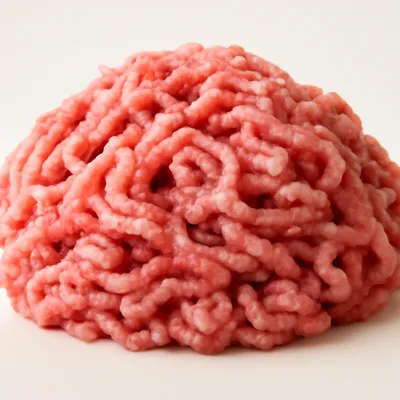
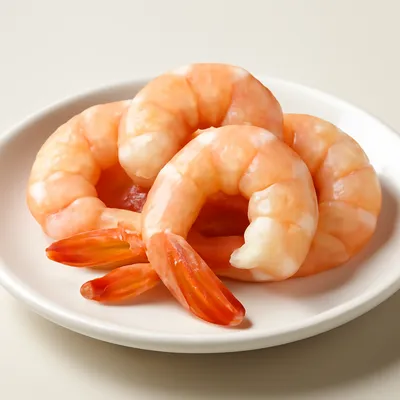
Dice the cold gelatin into 5 mm cubes; combine with ground pork and chopped shrimp; season with soy sauce, sesame oil, and ginger juice; chill in the refrigerator
- 335 min
Make dumpling dough: mix plain flour, egg, alkaline water, and a pinch of salt; knead until very smooth and elastic; cover and rest 30 min
- 410 min
Roll dough as thin as possible on a lightly floured surface; cut into 8 cm circles
- 510 min
Place 1 tsp filling in the centre of each wrapper, making sure gelatin cubes are included
- 610 min
Gather the wrapper edges and pleat evenly to seal tightly, leaving no gap; repeat for all dumplings
Watch outPleat the wrapper tight with no gap — the smallest opening lets the molten soup burst out in the steamer.
- 75 min
Place 2 dumplings per small bamboo steamer; steam over vigorously boiling water for 5 min
Watch outSteam only about five minutes over a vigorous boil — that's just enough to melt the gel to scalding broth; over-steam and the thin skin splits.
- 82 min
Serve immediately; provide a small saucer of Zhejiang black vinegar alongside
Archive tool suggestions — not reviewed
These legacy suggestions have not been evidence-reviewed and are not presented as required tools.


