The standard-bearer of the Cantonese yum-cha cart: an open-topped dumpling of chopped pork and whole shrimp bound with diced water chestnut and shiitake, wrapped in a thin egg-yellow round and steamed so the filling stays springy and juicy. In Guangdong it is simply called 'gon jing' (the dry-steamed one), and it sits squat and four-square rather than pinched into the northern pomegranate shape. A dab of bright roe or a single pea often tops each one. It is worlds apart from the cheap Hong Kong street snack also written 烧卖 — those squishy yellow tubes are mostly fish paste and flour, a different food entirely.



Siu mai descends from a steamed thin-skinned dumpling recorded as 'shao mai' as early as the late Yuan to early Ming, when the capital Dadu (today's Beijing) sold an open-topped, meat-filled steamed snack eaten with soup. The Cantonese line took clear shape in Guangdong's tea houses in the 1930s, where cooks rebuilt it around pork and shrimp and the bright-skinned open cup that defines yum-cha siu mai today. The northern shao mai is still made across China in many regional fillings — Hohhot's lamb, Hangzhou's glutinous rice, Changsha's — but the dry-steamed pork-and-shrimp version is the Cantonese one that traveled with dim sum worldwide.
Pop a whole one in: the wrapper gives, then a spring as your teeth meet the meat, which is bouncy rather than mushy because the pork was thrown and beaten until tacky. Pork richness and a clean sweetness of shrimp arrive together, and then — the detail that separates a good siu mai — little flecks of water chestnut snap with a cool, watery crunch through it all. The juices held inside run as you bite. A drop of chili oil or Worcestershire-style sauce is optional; a good one needs nothing.
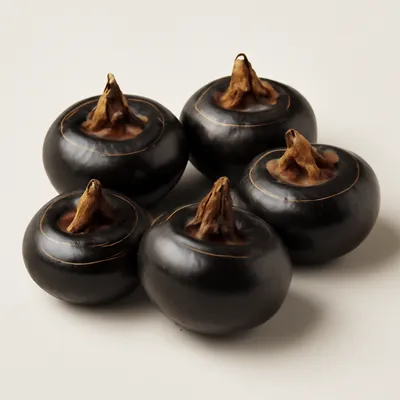
Three things make it spring rather than slump. The pork is hand-chopped or coarsely ground and then thrown repeatedly against the bowl with a little salt and water until the proteins draw out and the mince turns sticky and elastic — this 'springiness from beating' is the texture of all good Cantonese meatballs and dumplings. Diced water chestnut is folded in for that cold crunch and to keep the dense meat from packing solid. The wrapper carries egg, which sets to its pale-yellow color and stays thin and tender. And it is steamed open-faced over high heat just until set; oversteaming squeezes out the juice and turns the meat hard and grey.
Variations
The luxury 'crab-roe siu mai' tops each with orange crab roe; some shops add diced black mushroom or a thread of dried scallop. Jiangsu's jade shaomai is a green, vegetable-filled cousin; Yunnan and Hubei have their own. The whole northern family — Hohhot mutton shaomai, Hangzhou's sticky-rice version — shares the open top but little else. Do not confuse it with Hong Kong's fish-paste street siu mai, a steamed-then-sauced snack of fish paste and flour sold on skewers.
On the Palate
Where Pork & Shrimp Siu Mai sits in the Chinese flavor cloud
Ingredients
Serves 4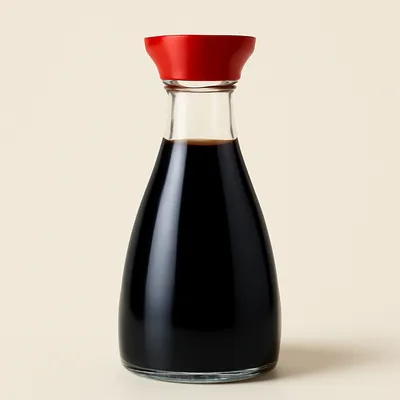
How it's made
8 steps · 1 hour 30 min
- 112 min
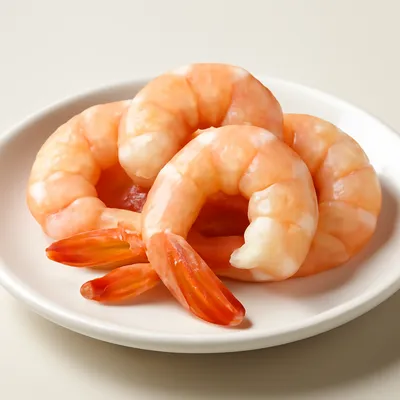
Peel and devein the shrimp; chop most coarsely and leave some whole. Dice peeled water chestnuts and soaked shiitake small.
- 28 min
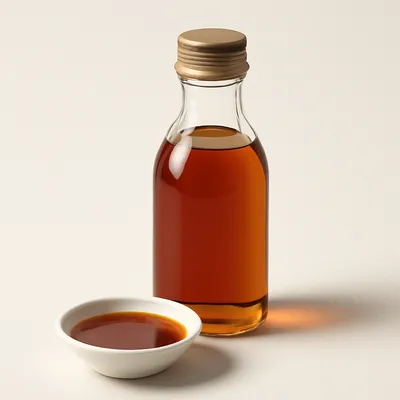
Coarsely chop or grind fatty pork, season with salt, sugar, soy sauce, sesame oil, white pepper, and a little water.
- 38 min
Throw the pork mixture repeatedly against the bowl until it turns sticky and elastic, then fold in the shrimp, water chestnut, and shiitake.
Watch outThrow the pork against the bowl over and over until the mince turns sticky and pulls in a stringy, elastic mass — that beaten springiness is exactly what makes siu mai bounce instead of go crumbly.
- 415 min
Cup a thin egg-yellow round dumpling skin in your hand, spoon in filling, and gather the sides up around it, leaving the top open; tap the base flat so it stands.
- 56 min
Smooth the exposed filling and crown each one with a little crab roe, diced carrot, or a single pea.
- 65 min
Set the siu mai in a steamer lined with paper or leaves, spaced apart.
- 78 min
Steam over high heat until the filling is just set and springs back to the touch, taking care not to oversteam.
Watch outSteam over high heat only until the filling just sets and springs back when you press it — leave it longer and the meat overcooks, squeezes out its juice and goes dry and tight.
- 83 min
Serve hot from the basket, with chili oil or a Worcestershire-style sauce alongside if you like.
Archive tool suggestions — not reviewed
These legacy suggestions have not been evidence-reviewed and are not presented as required tools.


