Taiyuan's signature steamed open-top dumplings — called shaomai elsewhere but 'shaomei' in Shanxi dialect — with paper-thin petal skins rolled by a notched rolling pin and a luxurious filling of chicken, shrimp, ham, and winter bamboo shoots. When steamed, the pleated crown opens like a snow plum blossom in bloom.

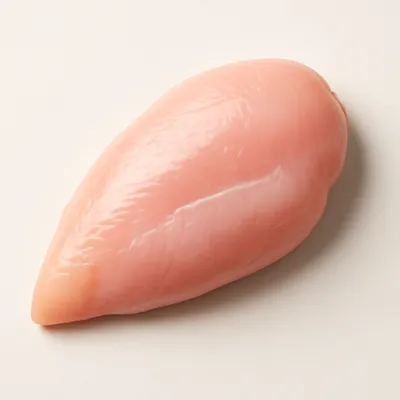
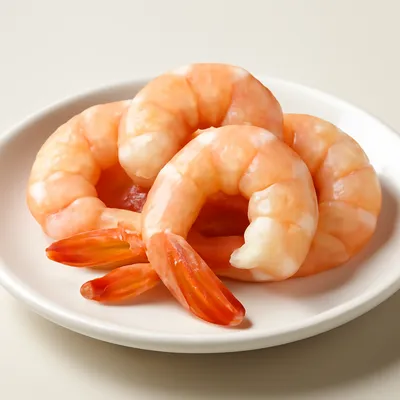
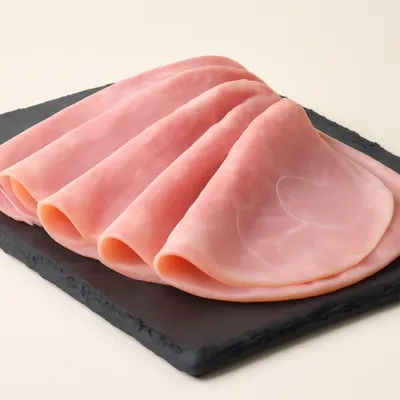


Open-top steamed dumplings of this type appear in North China from the Yuan dynasty, with the earliest surviving written record dating to the 14th century. The Shanxi dialectal name 'shaomei' (稍梅) — distinct from the Mandarin standard 'shaomai' — was established in Taiyuan tea-house culture by the late Qing. The 'Baihua' (hundred-flower) variety with its multi-ingredient filling and ornate petal skin represents Taiyuan's refined approach to the form: where Inner Mongolian shaomai uses lamb and onion, and Cantonese shaomai uses pork and glutinous rice, the Baihua style layers four ingredients whose visual variety mirrors its name.
The petal skin dissolves almost instantly — just thin enough to hold the juices in. The filling is layered: plump shrimp sweetness, salty ham depth, tender chicken, and the clean crunch of bamboo shoots.
The skin uses hot-water dough (boiling water poured into flour), which gelatinizes roughly 30% of the wheat starch before kneading. This disrupts the gluten network, making the dough highly extensible — skins can be rolled to under 0.5mm without tearing. During steaming, residual starch continues to gelatinize and the skin turns semi-translucent. Steam pressure also causes the pleated petals to splay outward into the signature blossom. The filling's inosinic acid (shrimp and chicken) and glutamates (ham and bamboo shoots) synergize in a classic nucleotide-amino acid potentiation, amplifying perceived umami by roughly seven-to-eight-fold versus a single protein source.
Variations
Taiyuan restaurants offer a simplified version with pork-and-cabbage filling in the same petal-skin format. A seafood variant substitutes scallops for chicken. In Yuncheng, a similar style uses lamb. Skins can be tinted with spinach or pumpkin juice for colourful festival presentations.
On the Palate
Where Baihua Shaomai sits in the Chinese flavor cloud
Ingredients
Serves 4
How it's made
7 steps · 30 min
- 15 min
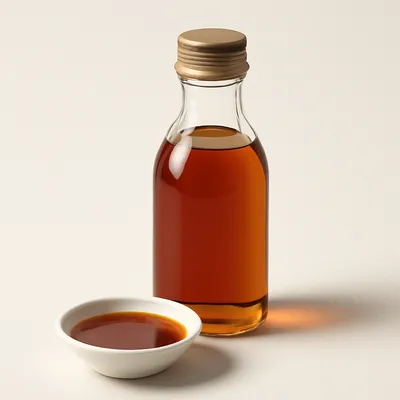
Prepare filling: finely dice 100g chicken breast, 80g peeled and deveined shrimp, 50g cooked ham, and 60g winter bamboo shoots. Season with 1 tsp soy sauce, half a tsp sesame oil, white pepper, and salt; stir well and chill 15 minutes.
- 28 min
Make hot-water dough: sift 200g all-purpose flour into a bowl; pour in 120ml boiling water in a thin stream while stirring with chopsticks until shaggy. When cool enough to handle, add 1 egg white and knead 5 minutes into a smooth dough. Cover and rest 20 minutes.
Watch outPour the boiling water in a thin stream while stirring — it must scald the flour to make the skin stretchy; lukewarm water and the dough tears when rolled paper-thin.
- 310 min
Divide dough into 24 pieces (about 13g each). Using a notched petal-edged rolling pin, roll each piece from centre outward in short strokes, rotating the disc, to create 12–16 thin petals around the perimeter.
Watch outRoll each skin to a lacy, ruffled edge — those thin petals are what fan open into the blossom; a thick rim stays clamped shut.
- 47 min
Place a generous teaspoon of filling in the centre of each skin. Gather the petals upward and pinch the waist firmly, leaving the top open and petals fanning outward.
- 52 min
Line a bamboo steamer with damp parchment or cabbage leaves; arrange dumplings 1cm apart.
- 610 min
Steam over vigorously boiling water for 10 minutes. Lift the lid briefly at the 8-minute mark to release excess steam and prevent condensation dripping on the blossoms.
Watch outLift the lid briefly near the end to let excess steam out — otherwise condensation drips down and flattens the open petals.
- 71 min
Serve immediately while petals are still open, accompanied by a saucer of Shanxi aged vinegar and a few slices of fresh ginger.
Archive tool suggestions — not reviewed
These legacy suggestions have not been evidence-reviewed and are not presented as required tools.

