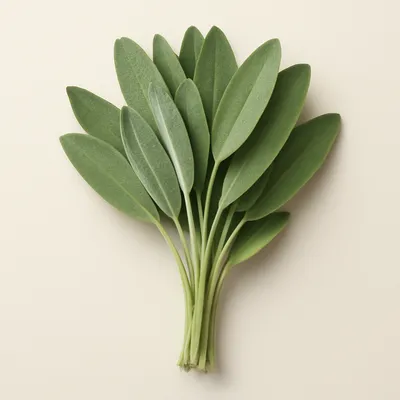
Young tower pigeons of the Euganean Hills and Breganze, raised in Venetian dovecote towers since the early 16th century, stuffed with their own offal, rosemary, sage and juniper, and roasted either in the oven (Torreglia style) or on a wood-fired spit (Breganze style), served with polenta fried in the dripping fat.




The torresano owes its existence to the medieval watch towers of the Euganean Hills and Breganze, which the Republic of Venice systematically converted into colombaie (dovecotes) from around 1500, supplying the terraferma nobility with plump squab each summer. Birds were fattened in captivity and harvested only once they reached 500–600 grams, making this an inherently seasonal, aristocratic dish. By the early 20th century both Torreglia (Padova) and Breganze (Vicenza) claimed exclusive paternity of the name and its recipe; the dispute was settled by a judge who ruled that consolidated tradition entitled both towns to the designation. Today the torresano is a P.A.T.-recognised traditional Veneto product, produced both in the Breganze area (Vicenza) and the Colli Euganei around Torreglia (Padova); the spit-roasted 'Toresàni allo spiedo' also carries a De.Co. designation granted by the Comune of Breganze in the Province of Vicenza.
Intensely savoury and gamey, with crisp amber skin yielding to juices scented with juniper and rosemary; the offal stuffing delivers iron richness and earthy depth, while the spit-basted flesh falls cleanly from slender bones.
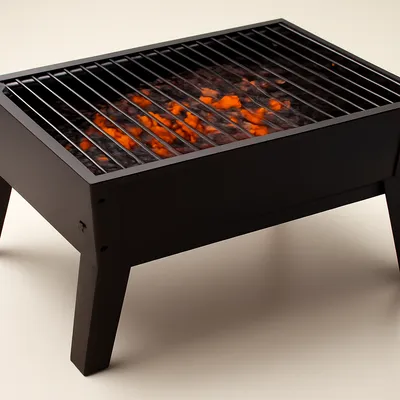
Spit-roasting at radiant heat from wood embers (around 180–200°C) triggers rapid Maillard browning on the thin skin while keeping the breast meat at a moist, rosé interior. Continuous basting with dripping fat creates a self-reinforcing crust and controls surface temperature. The offal stuffing—rich in haeme iron and myoglobin—steams inside the body cavity, basting the breast from within as internal temperature rises. Juniper's aromatic terpenes volatilise under heat and permeate the surrounding muscle fibres.
Variations
Torreglia style: stuffed and slow-roasted in the oven at moderate heat; Breganze style: spit-roasted over fragrant wood for approximately one hour, basted with drippings. Both are served with polenta onta—polenta grilled or pan-fried in the collected dripping fat. A cook-off between the two towns has produced over 40 documented variant preparations.
On the Palate
Where Torresani sits in the Italian flavor cloud
Ingredients
Serves 4

How it's made
7 steps · 30 min
- 110 min
Remove the giblets from each pigeon; reserve the heart, liver and gizzard. Pat the birds thoroughly dry inside and out with paper towels.
- 28 min
Finely mince the reserved offal together with fresh rosemary, sage leaves and crushed juniper berries; season with salt and black pepper to make the stuffing.
- 35 min
Fill each pigeon's cavity with the offal stuffing, close with a few stitches of kitchen twine, then tie the legs tightly together.
- 45 min
Thread the birds onto a spit at even intervals (Breganze method) or arrange breast-side up in a roasting pan (Torreglia method); brush generously with lard.
- 560 min
Roast over glowing wood embers, rotating the spit continuously, basting every 8–10 minutes with the dripping fat; cook for 50–60 minutes until skin is deep amber and juices run clear.
Watch outBaste with the dripping fat every 8–10 minutes and pull the birds when the skin is deep amber and the juices run clear — dry skin and rosy juice mean they need a few minutes more.
- 610 min
Transfer the pigeons to a board and rest for 5 minutes. Meanwhile, fry thick slices of firm polenta in the collected dripping fat over high heat until golden and crisp on both sides.
Watch outRest the birds 5 minutes before carving — cut too soon and the juices run out onto the board instead of staying in the breast.
- 75 min
Serve each pigeon whole alongside two slices of onta polenta, with the remaining pan juices poured over.
Archive tool suggestions — not reviewed
These legacy suggestions have not been evidence-reviewed and are not presented as required tools.