
Pounded cocoyam (taro) paste served alongside a bright-yellow palm-oil-and-spice broth ('yellow soup') made with palm nut concentrate, country onion, calabash nutmeg, and bush spices — the dish of Cameroon's Northwest grassfields (Bamenda, Bafut). The soup is a yellow emulsion that owes its color to limestone-saturated water reacting with palm nut. Eaten by hand with cocoyam dipped into the broth. Often topped with cow-skin (kanda) and tripe.



Achu — both the pounded cocoyam paste and the yellow soup that accompanies it — is the Grassfields-cuisine signature of the Northwest Region of Cameroon. The Bamenda, Bafut, Mankon, and surrounding Tikar peoples developed it over centuries; the yellow color of the soup is achieved by stirring limestone-rich water (kanwa) into the palm-nut sauce, causing an emulsion that turns the oil bright yellow. Achu is communal — entire families gather around a single bowl, each pulling pieces of cocoyam and dipping in the soup with the fingers. Festival versions add maximum protein variety (beef, tripe, cow skin, dried fish).
Pinch a piece of pounded cocoyam — it stretches between fingers, smooth, elastic, mildly sweet. Dip into yellow soup; the cocoyam absorbs the bright-yellow oil and the bush-spice flavor. Calabash nutmeg gives warm musky-nutmeg notes; country onion adds garlic-onion-pungency unique to Cameroon Grassfields. Cow-skin and tripe pieces give chewy gelatinous-meaty contrast. The dish is dense, warming, and slightly alkaline-rich from the limestone water — distinctly Bamenda-Cameroonian and impossible to replicate without the bush spices.
Limestone (CaCO3) raises pH, allowing palm-nut oil to emulsify with water into the signature yellow color via saponification of free fatty acids. Without limestone, the sauce stays a red-orange broken oil. Pounding cocoyam develops starch-protein gluten-like structure — the longer you pound, the more elastic the paste. Calabash nutmeg and country onion are aromatic-spice powerhouses; their volatile compounds (terpenes, sulfur compounds) cannot be substituted without losing the dish's signature character.
Variations
Diaspora achu uses canned palm nut concentrate (banga) and baking soda for yellow color — works but less vibrant. Vegetarian achu omits meats; doubles palm-nut volume. Festival achu adds dried stockfish, smoked beef, and goat meat for celebration depth. Coastal achu (rare) adds prawns. Bafut-style achu uses extra country onion to maximum strength; not for beginners.
On the Palate
Where Achu Yellow Soup sits in the Cameroonian flavor cloud
Ingredients
Serves 6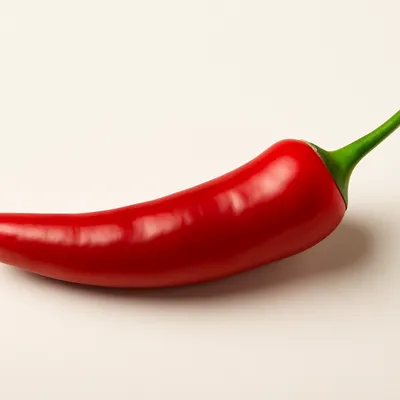



How it's made
12 steps · 1 hour 10 min active + 1 hour 50 min waiting
- 142 min
Pre-cook cow skin: 200 g cow skin in pressure cooker with water 40 min. Drain; cut 2-cm pieces.
- 232 min
Pre-cook tripe: 200 g tripe in pressure cooker with water + 1 onion 30 min. Drain; cut 2-cm pieces.
- 335 min
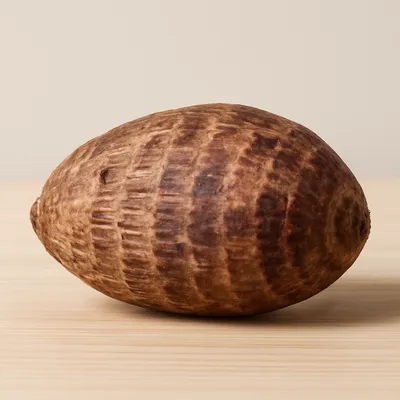
Cook cocoyam: peel 1.5 kg cocoyams (taro). Boil in salted water 30 min until very tender. Drain.
- 416 min
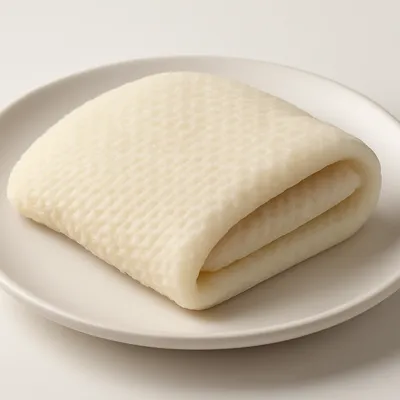
Pound cocoyam: while hot, transfer to a mortar (or sturdy bowl). Pound with a heavy pestle until smooth, sticky, and elastic — about 15 minutes. Add splashes of hot water as needed. The paste should be like wet bread dough. (Alternative: food processor + hot water.)
Watch outPound the hot cocoyam until it turns glossy and stretchy and pulls back on the pestle like wet dough — stop while it's still grainy and it won't hold the dip.
- 53 min
Shape cocoyam: with wet hands, form into smooth oval mounds (one per portion). Cover with damp cloth to keep warm.
- 68 min
Palm-nut sauce: in a heavy pot, combine 400 g palm nut concentrate (banga) or 500 ml extracted palm nut juice with 750 ml water. Bring to a simmer.
- 74 min
Make yellow color: in a separate small bowl, mix 1 tsp powdered limestone (kanwa, available at African groceries; baking soda is a weaker substitute) with 100 ml water. Set aside.
- 85 min
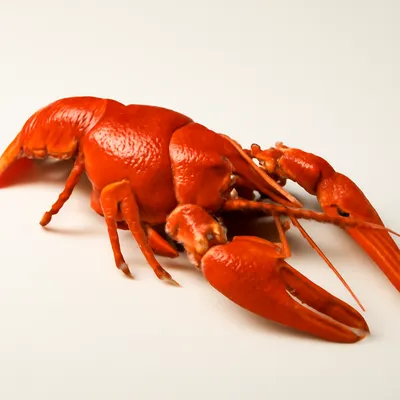
Stir cooked tripe and cow skin into the palm-nut pot. Add 1 tbsp dried ground crayfish, 1 tsp grated calabash nutmeg, 1 tsp ground country onion (Afrostyrax; substitute with extra calabash nutmeg), ½ tsp bush pepper (or black pepper), 1.5 tsp salt.
- 93 min
Slowly stir the limestone water into the pot, whisking. The sauce will immediately turn bright yellow and emulsify into a creamy-looking broth.
Watch outThe moment the limestone water goes in and you whisk, the red-orange oil should flash bright yellow and turn creamy — if it stays a broken red slick, whisk in a touch more.
- 1016 min
Simmer 15 min to integrate. Taste; adjust salt.
- 115 min
Serve: place a cocoyam mound in a deep bowl. Make a hollow in the top with the back of a spoon. Ladle the yellow soup into the hollow and surround the cocoyam. Pile cow skin and tripe pieces on the side.
- 1211 min
Eat by hand: pinch off cocoyam, dip in yellow soup, eat. Continue until both are finished.


