
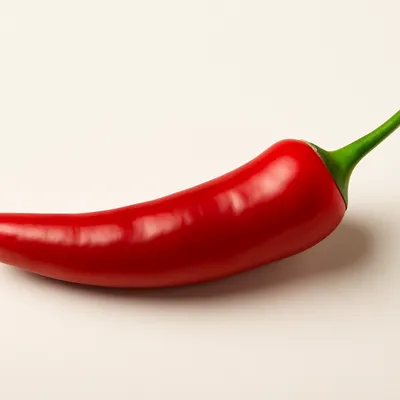
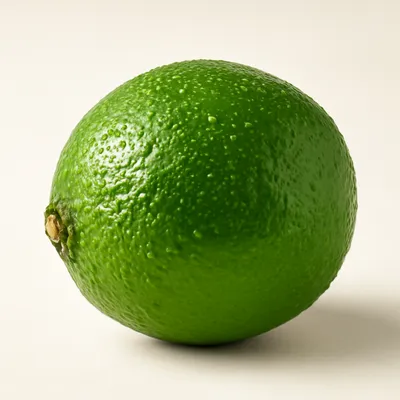
Chunks of fresh tuna (or any oily fish) seasoned simply and deep-fried until the outside is crackling-crisp and the inside is just-cooked-medium, served on top of steamed attiéké with raw onion, fresh tomato, fresh chili, and lime. The classic Abidjan working-class street meal — cheap, fast, deeply satisfying. Sold from countless wooden stalls in Abidjan's neighborhoods.




Garba is the working-class Abidjan street food — the dish for workers, students, and anyone needing a fast affordable lunch. The name is documented to come from Dicoh Garba, Côte d'Ivoire's Minister of Animal Production in the 1970s, who ordered that tuna discarded from Abidjan's export port be redistributed to local sellers, turning waste into cheap food for the poor; the fish-and-attiéké dish took his name. A second account ties the name to the Hausa (Haoussa) immigrants from Niger and Nigeria who ran the stalls — 'Garba' being a very common Hausa name. The dish rose with Abidjan's rapid 1970s–80s urbanization and went city-wide around 1990 with zouglou music, spawning 'garbadromes' near the Yopougon university campus. Sold from countless wooden stalls across Abidjan's neighborhoods (Treichville, Adjamé, Abobo, Yopougon, Cocody). The tuna is usually fresh-caught from the Gulf of Guinea; smaller stalls might use frozen tuna chunks. Despite its humble status, garba is one of the most-Ivorian dishes — almost no expat or tourist knows about it.
Bite a tuna cube — exterior is crackling-crispy from the high-heat fry; interior is moist-firm with the ginger-paprika seasoning subtle behind the fish's natural flavor. A pinch of attiéké catches the lime-scotch-bonnet-tomato sauce. The combination of hot crispy fish, cool fluffy fermented cassava, fresh sharp salsa is uniquely Abidjan working lunch. Sweat from the chili, crunch from the fish, comfort from the attiéké — the Ivorian-grit comfort meal.
Patting fish dry is structurally critical for crispness — wet fish doesn't develop the crackling crust during the fry. Tuna's high oil content lets it stay moist inside even when crisp outside; leaner fish like cod would dry out. 180°C oil is the structural balance — hotter chars the surface; cooler results in oil-soaked fish. The raw vegetable salsa with lime provides necessary acid-bright contrast to the rich fried fish.
Variations
Garba with kingfish or carangidae (jacks) is the upmarket Cocody variant. Garba with smoked fish is the budget version. Modern Abidjan bistros serve 'garba revisité' with sea bass and a sophisticated dressing. Treichville-old-stall garba is the most authentic — small wooden tables, plastic plates, hands-only eating, ice-cold beer.
On the Palate
Where Garba sits in the Ivorian flavor cloud
Ingredients
Serves 4





How it's made
10 steps · 25 min active + 5 min waiting
- 15 min
Cut 600 g fresh tuna steaks (or salmon or kingfish) into 4-cm cubes. Pat very dry — wet fish doesn't crisp well.
Watch outPat the tuna bone-dry, blotting until the paper comes away clean — surface water steams instead of crisping and you get soggy fish.
- 212 min
Seasoning: rub the tuna cubes with 1 tsp salt, ½ tsp black pepper, ½ tsp paprika, ½ tsp ground ginger. Rest 10 min to absorb.
- 310 min
Steam attiéké: place 400 g attiéké in a sieve over a pot of simmering water. Steam 8 min until heated and fluffy. Cover.
- 48 min
Topping prep: dice 2 ripe tomatoes, ½ red onion, 1 fresh scotch bonnet (small dice — eat at your own risk). Toss with juice of 1 lime + ½ tsp salt + 2 tbsp chopped fresh parsley.
- 54 min
Heat 4 cm vegetable oil in a wide heavy pot to 180°C — hot enough that a test cube of fish sizzles immediately and crusts quickly.
Watch outHold the oil at 180°C — a test cube should sizzle loud and crust on contact; too cool and the fish drinks oil, too hot and it blackens before the center sets.
- 69 min
Fry the tuna cubes in batches of 6-8, turning frequently with a slotted spoon, 2-3 min total per batch until the outside is golden-crisp and the inside is just-cooked. Tuna can be slightly pink in the center for the best texture; cook longer if you prefer well-done.
Watch outPull the cubes at golden-crisp outside with the center just set — tuna can stay a touch pink; overcook it and this oily fish turns dry and chalky.
- 72 min
Lift onto paper towels to drain. Sprinkle with a tiny pinch of salt.
- 85 min
Plate per portion: a mound of warm attiéké (about 100 g per plate). Top with 4-6 cubes of crispy tuna. Spoon the raw tomato-onion-chili-lime salad over.
- 91 min
Optional: drizzle with a few drops of palm oil for the traditional touch.
- 103 min
Serve immediately with lime wedges and bottled hot sauce or pîment paste on the side. Eat with hands — pinch attiéké, drag through the topping, scoop a fish cube. The Abidjan working-lunch ritual.


