A classic Parsi prawn preparation in the 'patio' style — a thick, reduced, sweet-sour-spicy tomato-based sauce that clings to the prawns. Served alongside dhandar (rice and dal), it is the most beloved seafood form of the patio technique, the bold counterpoint to the mild dal.




Kolmi no patio (kolmi ma patio, prawn patio) is the most classic seafood form of the Parsi 'patio' — a category of thick, sweet-sour-spicy, reduced preparations that function as a bold accompaniment to the mild dal-rice of the Parsi meal. Its name states its content in Parsi Gujarati: kolmi means prawns, patio the preparation style. The patio technique — frying a base of onion, ginger-garlic, and curry leaves, cooking down tomato until the oil separates, then balancing the sauce with jaggery (sweet), vinegar or tamarind (sour), and chili (hot), and finishing it as a thick, clinging gravy rather than a soup — is applied variously to fish, chicken, and even vegetables, but the prawn form is the most beloved. The dish is the seafood counterpoint in the Parsi festive triad dhandar-patio, where the bold prawn patio lifts the plain dal and rice; its sweet-sour-spicy profile reflects the fusion at the heart of Parsi cooking — Persian vinegar and dried-fruit influence, Indian spicing, and the coastal abundance of prawns.
Plump prawns cloaked in a thick, glossy, deep-red sauce that hits sweet, then sour, then a warm chili heat — bold, sticky, and intense against plain rice.
The dish's character is its concentrated, clinging sauce and the Parsi sweet-sour-spicy balance. The onion-tomato base is cooked down until nearly all its water has evaporated and the oil separates — this concentration is what makes the sauce thick and clinging rather than soupy, and the Maillard-browning products of the long-cooked onion and tomato give it the deep color and roasted depth. The prawns, added late and cooked briefly, stay tender rather than turning rubbery — their proteins just set at around 60–70°C, and over-cooking would squeeze out their moisture and toughen them. The jaggery-vinegar-chili balance is the Parsi signature: the vinegar's acetic acid brightens the heavy base and (by lowering the pH) preserves the dish in a warm coastal climate, the jaggery rounds the acid and deepens the color, and the chili supplies a warmth the sweet-sour tempers. Cooking uncovered at the end drives off the last water so the sauce clings to each prawn.
Variations
A fish or chicken patio uses the same technique; some add tamarind alongside the vinegar for double sourness, and the heat rises sharply in some Bombay households.
On the Palate
Where Kolmi no Patio sits in the Indian flavor cloud
Ingredients
Serves 4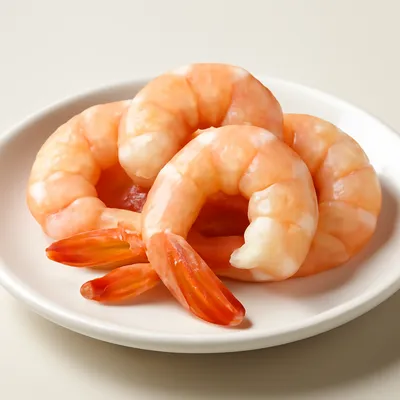

How it's made
6 steps · 20 min
- 18 min
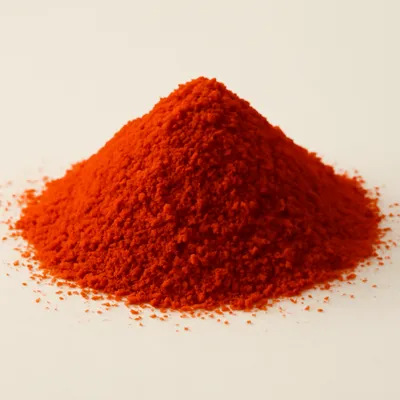
Marinate prawns briefly in salt, turmeric, and chili powder; fry lightly and set aside.
- 25 min
Heat oil, fry chopped onion until golden, then add ginger-garlic paste, green chili, and curry leaves.
- 38 min
Add chopped tomato and cook until the oil separates and the mixture is thick.
Watch outCook the onion-tomato base down until the oil separates and it's thick — this concentration is what makes the sauce cling, not run soupy.
- 44 min
Stir in turmeric, red chili powder, jaggery, and vinegar; add a splash of water.
- 58 min
Return the prawns and cook uncovered until the sauce thickens and clings to them.
Watch outReturn the prawns late and cook them just until set — a minute too long and they turn rubbery and squeeze out their juice.
- 62 min
Serve with dhandar (rice and dal), kachumbar, and a wedge of lemon.


