
Malpua is a sweet fried pancake from the Indian subcontinent: a batter of flour, milk or khoya and sometimes mashed banana or fennel, ladled into hot ghee to form small crisp-edged discs, then steeped in cardamom-saffron sugar syrup. The result is lacy and brown at the rim, soft and juicy at the centre, and is very often served with a spoonful of rabri (thickened sweet milk) over the top. It is a festival sweet across North and East India and Bengal, eaten especially during Holi, Diwali, and the month of Ramadan.

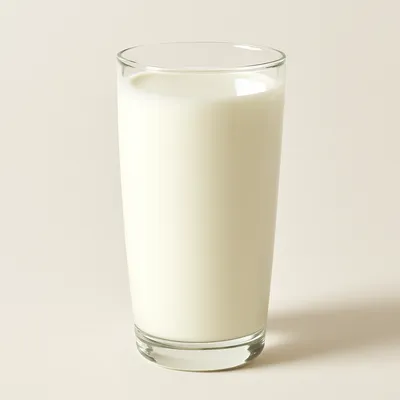


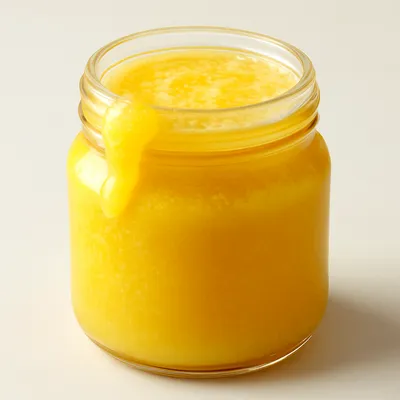
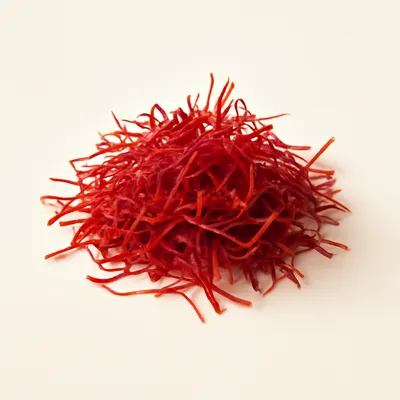
Malpua is one of the oldest documented sweets of the subcontinent: a sweet fried cake called apupa, made from barley or rice flour and fried in ghee or oil, is referred to in ancient Indian texts, and malpua is generally regarded as a descendant of that early fried-cake tradition. Over time the batter shifted toward wheat flour, milk and khoya, and the dish spread across North and East India, Bengal and Odisha — where it features in temple offerings, including at the Jagannath temple in Puri — as well as into Bangladesh, Nepal and Pakistan. Its great age means no single inventor exists; it is a living descendant of an ancient pan-Indian sweet.
A small golden-brown disc, frilly and crisp where the edges fried thin, soft and syrup-soaked toward the middle, glistening wet. The first bite is faintly crunchy then yields to a tender, custardy, milk-sweet interior scented with cardamom and saffron; banana or fennel versions add fruity or aniseed notes. Eaten warm, often with a cool spoon of creamy rabri that turns it lush. The contrast of the lacy fried rim against the syrup-heavy centre is the whole pleasure.
The batter is thinned with milk and rested so the flour hydrates and any leavening or natural fermentation lightens it; a little mashed banana, semolina or khoya adds body and helps the edges crisp and brown via the Maillard reaction. Ladled into shallow hot ghee, the batter spreads and the thin perimeter fries crisp while the centre stays soft. As with other syrup sweets, the fried pancakes are dipped into warm — not boiling — sugar syrup, where the porous cooked batter draws sweetness in without dissolving. Keeping the syrup at roughly a one-string consistency stops the discs from going limp.
Variations
Bengali and Odia malpua often leans on khoya and a thicker, more fudgy disc; the Pushkar and Rajasthani style can be larger and crisper; banana malpua (kela malpua) and a fennel-scented version are common. In Bangladesh and parts of the east it is a Ramadan staple. The near-universal partner is rabri, but malpua is also served plain, dusted with nuts, or with a scoop of ice cream in modern presentations.
On the Palate
Where Malpua sits in the Indian flavor cloud
Ingredients
Serves 6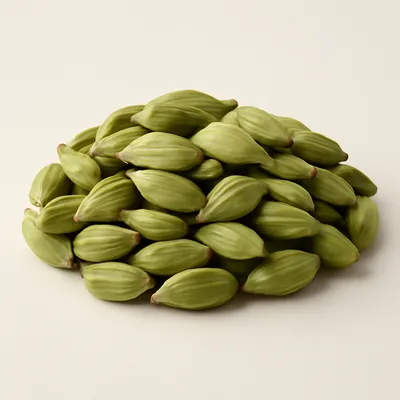

How it's made
6 steps · 25 min
- 110 min
Whisk flour with milk (and optional khoya, semolina or mashed banana) into a smooth, pourable batter.
- 290 min
Rest the batter 1-2 hours; stir in crushed cardamom and a little fennel if using.
- 312 min
Make a one-string sugar syrup with saffron and cardamom and keep it warm.
Watch outBoil the syrup only to a single fine thread when pulled between your fingers — thicker and the malpua can't drink it in, so the discs go stiff instead of soft and soaked.
- 420 min
Heat ghee in a shallow pan and ladle in batter to form small discs; fry until the edges are crisp and golden, basting the tops.
Watch outKeep basting hot ghee over the top and pull the disc when the lacy rim turns deep gold and crisp while the centre stays pale and soft — that crisp-edge, soft-heart contrast is the whole point.
- 55 min
Lift the fried malpua and soak in the warm syrup for a minute or two.
Watch outSoak in syrup that's warm to the touch, never boiling — hot syrup dissolves the fried crust and the malpua goes soggy and limp instead of plump.
- 65 min
Serve warm, topped with rabri and chopped nuts.
Archive tool suggestions — not reviewed
These legacy suggestions have not been evidence-reviewed and are not presented as required tools.


