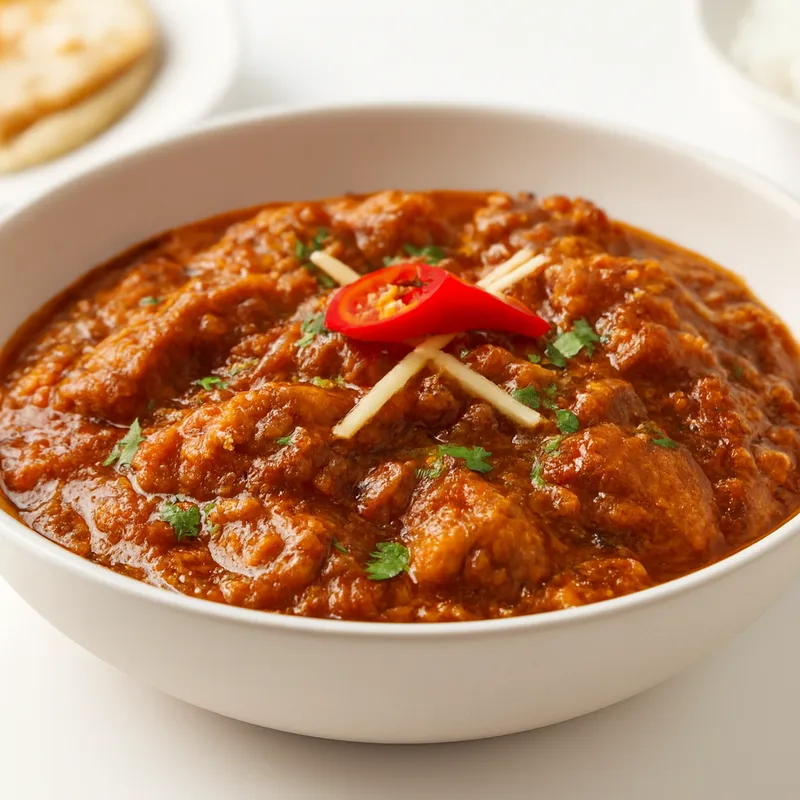
The signature stuffed-brinjal curry of North Karnataka: small tender eggplants are cross-slit, filled with a thick masala of roasted peanut, sesame, coconut, and chili, then simmered in oil until they collapse into a rich, nutty gravy. Classically served with jolada rotti (sorghum flatbread).
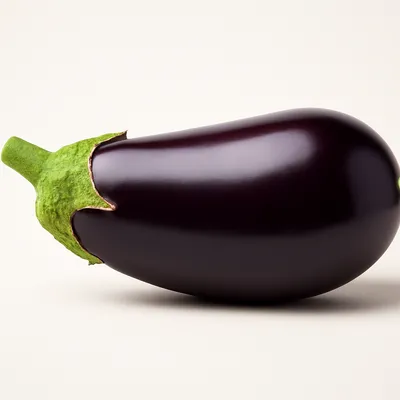

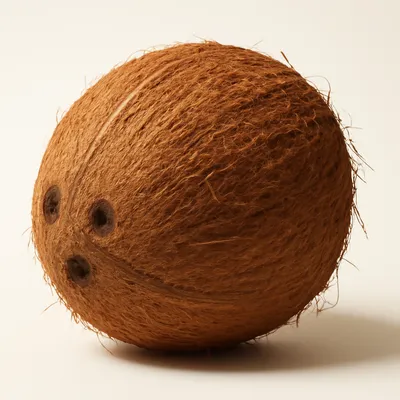

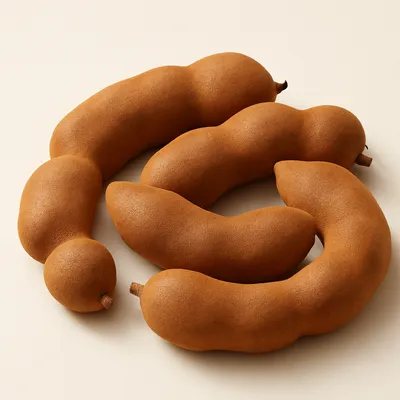

Badanekayi ennegai (ennegayi) is the signature stuffed-brinjal dish of North Karnataka — the inland Deccan regions of Vijayapura (Bijapur), Dharwad, Belgaum, and Gulbarga — whose Kannada name states the method: badanekayi is brinjal (eggplant), enne is oil, describing a dish cooked richly in oil. The defining North Karnataka touch is the stuffing masala's blend of dry-roasted peanuts, sesame, coconut, dried red chili, coriander, cumin, tamarind, and jaggery — a combination that gives the gravy its characteristic earthy, nutty depth. The dish is part of a wider Indian family of stuffed-brinjal preparations — the Maharashtrian bharli vangi and the Telugu gutti vankaya — but the North Karnataka form is set apart by the heavy use of peanut and sesame, staples of the Deccan's jowar-and-groundnut farmland, rather than the goda masala of Maharashtra or the chili-forward Andhra paste. It is the classic partner of jolada rotti, the sorghum flatbread that is the staple bread of the region.
Silky, collapsed eggplant in a thick, oily, peanut-sesame gravy — sweet, sour, and smoky at once, with a lingering roasted-nut warmth.
Two things give ennegai its character. First, the stuffed brinjals are double-cooked: they are filled with a raw masala, then simmered covered in the same pan until the flesh softens fully and the cavity absorbs the spice paste into its flesh; the cross-slit, base-intact cut is what lets the eggplant open like a flower without falling apart. Second, the masala itself is built from oil-rich, dry-roasted seeds — peanut, sesame, coconut — whose fats and proteins generate deep Maillard browning on roasting, giving the gravy its dark color and roasted-nut aroma far beyond what fresh spices alone could provide. The peanut and sesame, ground to a paste, also act as the gravy's sole thickener — their starch and emulsified oil replace any flour or dairy. Tamarind and jaggery balance the roast with sour and sweet; the generous oil carries the chili and sesame aromatics and keeps the dish moist through long reheating.
Variations
The Dharwad-Belgaum belt uses more onion; a drier version called targola is served as a side with rice, and the Maharashtrian bharli vangi is the goda-masala cousin across the border.
On the Palate
Where Badanekayi Ennegai sits in the Indian flavor cloud
Ingredients
Serves 4
How it's made
6 steps · 25 min
- 16 min
Dry-roast peanuts, sesame, coriander, cumin, dried red chili, and coconut until fragrant and darkened.
Watch outDry-roast the peanuts, sesame and coconut until fragrant and darkened — that roasted browning is what gives the gravy its dark color and nutty depth; raw, it tastes flat and pale.
- 25 min
Grind the roasted mixture with tamarind, jaggery, turmeric, salt, and ginger-garlic to a thick paste.
- 34 min
Cross-slit small tender brinjals from the base upward, keeping them attached at the stem.
- 44 min
Stuff each brinjal generously with the masala paste.
- 54 min
Heat oil, temper mustard seeds, curry leaves, onion, and asafoetida, then arrange the stuffed brinjals in the pan.
- 615 min
Cover and cook on low heat, turning gently, until the brinjals are fully soft and the gravy has thickened; serve with jolada rotti.
Watch outCover and cook low, turning gently, until the brinjals are fully soft and the gravy thickens — the flower-cut lets them open without falling apart.
Archive tool suggestions — not reviewed
These legacy suggestions have not been evidence-reviewed and are not presented as required tools.