The larvae and pupae of the escamolera ant (Liometopum apiculatum), harvested from nests among the roots of maguey (agave) plants and sautéed in butter with epazote — a pre-Hispanic delicacy of the central Mexican highlands, including Hidalgo, long nicknamed 'Mexican caviar.' The pale, soft grains look like small pine nuts or young corn kernels and are cooked simply: melted butter, onion, sometimes green chile, and the herb epazote, then folded into warm tortillas as tacos with guacamole and salsa, or into an omelet. Their short season and difficult harvest make them costly and prized.





Escamoles have been eaten in Mexico since pre-Hispanic times, gathered by peoples of the central altiplano — the Otomí among them — and are sometimes said to have graced the tables of Aztec emperors, though that royal-luxury detail belongs more to tradition than to documented record. The name comes from Nahuatl, from azcatl ('ant') and molli ('sauce' or 'dish'), roughly 'ant dish.' They are harvested today across Hidalgo, Tlaxcala, the State of Mexico, Guanajuato, Querétaro and San Luis Potosí, where the gatherers are known as escamoleros.
Buttery and nutty, with a soft, almost cottage-cheese texture that gives a faint pop between the teeth. Mild and savory, carrying the sharp, herbaceous, almost petrol-and-citrus note of epazote and the richness of the butter they are cooked in. Tucked into a warm corn tortilla with a smear of guacamole, the pale grains stay tender against the soft masa.
The ant broods are gathered from nests built among maguey roots in the dry months from roughly February to April — a brief window, dug out by hand from rocky soil while the aggressive escamolera ants bite, which is why escamoles are scarce and expensive. The cooking is deliberately gentle: butter is warmed rather than browned and the broods are tossed just until set, because high heat would toughen them and mask their delicate flavor. Nutritionally they are very rich in protein — around two-thirds protein by dry weight — which underlies the buttery, satisfying mouthfeel. Epazote is not a garnish but a load-bearing seasoning, its pungent oils cutting the richness.
Variations
The classic preparation is escamoles a la mantequilla — sautéed in butter with epazote, onion and often serrano chile — served in tacos. They also appear scrambled into eggs, folded into mixiotes, or spooned over a tlacoyo. The same central-highland tradition prizes other edible insects: chapulines (grasshoppers), chinicuiles and meocuiles (the red and white maguey worms), often served at the same tables.
On the Palate
Where Escamoles sits in the Mexican flavor cloud
The one thing to get right is restraint: warm the butter, never brown it, and toss the escamoles just until they set — two to three minutes — because high heat toughens the delicate broods and masks their soft, buttery flavour.
Ingredients
Serves 4
How it's made
7 steps · 15 min
- 15 min
Rinse the escamoles gently in cool water and drain, then pick over to remove any grit or nest debris.
- 25 min
Finely chop white onion and, if using, a serrano chile.
- 33 min
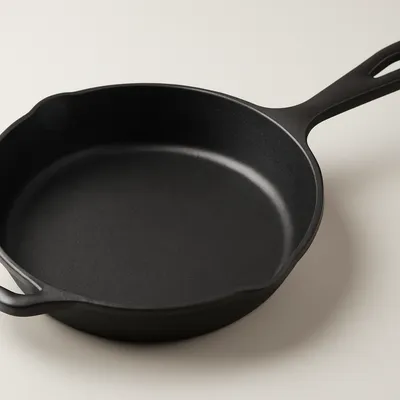
Warm butter in a skillet over medium-low heat without letting it brown.
Watch outHold the heat low so the butter melts and foams but stays pale — the moment it starts to brown it is too hot.
- 45 min
Soften the onion (and chile) in the butter until translucent.
- 51 min
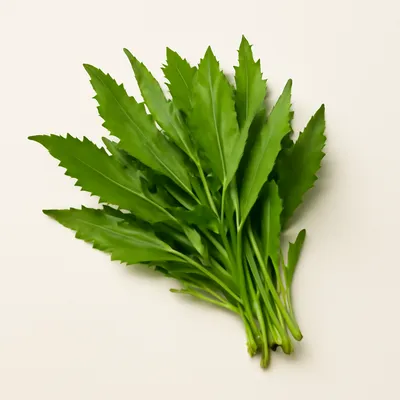
Add several sprigs of epazote leaves and let them perfume the butter.
Watch outLet the epazote sit in the butter until you can smell its sharp, green scent lifting before the broods go in.
- 63 min
Add the escamoles and toss gently, cooking just until heated through and lightly set, two to three minutes.
Watch outToss gently and pull them just as they firm up and lighten — plump and barely set, never dry.
- 73 min
Season with salt and serve at once in warm corn tortillas with guacamole and salsa.
Archive tool suggestions — not reviewed
These legacy suggestions have not been evidence-reviewed and are not presented as required tools.