The monumental tamal of the Huasteca region (Hidalgo, San Luis Potosí, Veracruz, and Tamaulipas border): a massive 3-6 foot long corn masa tamal filled with a whole pork (or turkey) in a deep red chile sauce, wrapped in banana leaves, and baked overnight in a wood-fired clay oven. Made for community celebrations — patron saint festivals, weddings, and large family events — zacahuil is one of Mexico's most spectacular communal dishes.
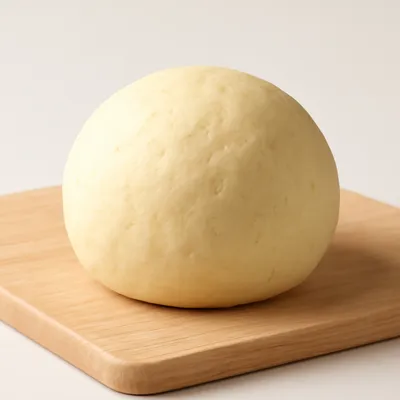


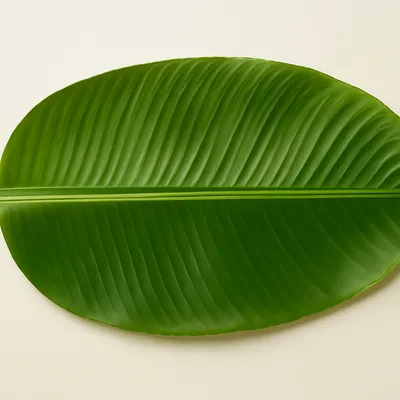
El zacahuil is the monumental tamal of the Huasteca region of Mexico — the hot, humid lowlands spanning parts of Hidalgo, San Luis Potosí, Veracruz, and Tamaulipas. The name comes from Nahuatl. The dish combines pre-Hispanic elements (masa, banana leaves, pit-style cooking) with colonial ingredients (pork, sometimes chicken). The dish is specifically made for large community celebrations — patron saint festivals, weddings, and quinceañeras — where a single zacahuil can feed 50+ people. The cooking technique (slow baking in a wood-fired clay oven overnight) is itself a communal ritual, often lasting 12+ hours.
A slice of zacahuil reveals a deep orange-red masa (colored with annatto and chiles) holding tender shreds of pork in a savory, complex sauce. The masa, having absorbed the meat's juices and the chile's depth over the long baking, is intensely flavored and slightly spongy. The banana leaf has perfumed the entire tamal with a faint herbal aroma. Eaten in slices, often with salsa, in generous portions at community gatherings.
Zacahuil's character depends on its scale and slow baking. The massive masa (often 50+ pounds) requires a very long, slow bake to cook evenly — a wood-fired clay oven, sealed after heating, provides radiant heat from the clay walls over 8-12 hours. The banana leaves trap steam from the masa's own moisture, creating a sealed steaming environment within the oven. The achiote (annatto) stains the masa orange (bixin pigment is fat-soluble) and binds to the pork's fat; the chiles (typically ancho and guajillo) provide depth. The long, slow cook allows the pork's collagen to fully denature into gelatin, enriching the masa throughout. The communal aspect — shared preparation and shared eating — is itself part of the dish's meaning.
Variations
Pork is most common; turkey is traditional; chicken is modern; the chile blend varies by village.
On the Palate
Where Zacahuil Huasteco sits in the Mexican flavor cloud
Ingredients
Serves 20

How it's made
6 steps · 5 hours active + 5 hours waiting
- 115 min
Toast ancho and guajillo chiles; soak; blend with garlic, onion, and achiote to a thick red paste.
- 2720 min
Marinate chunks of pork (or a whole young pig) in the chile paste overnight.
Watch outMarinate the pork in the chile paste overnight so the flavor and achiote soak deep — a quick coat only seasons the surface of such large pieces.
- 330 min
Mix a large quantity of corn masa with lard, achiote, and salt; knead smooth.
- 410 min
Line a large rectangular pan or wooden frame with banana leaves.
- 530 min
Spread half the masa on the bottom; add the marinated pork; cover with the remaining masa; seal with banana leaves on top.
- 6600 min
Bake in a pre-heated wood-fired clay oven (sealed) for 8-12 hours until masa is cooked through; rest; slice to serve.
Watch outBake sealed eight to twelve hours until the masa is cooked all through — the wrapped leaves trap the masa's own moisture to steam it, and only long, slow heat sets such a massive block evenly.
Archive tool suggestions — not reviewed
These legacy suggestions have not been evidence-reviewed and are not presented as required tools.


