Yeonggwang gulbi is salt-cured, sea-wind-dried yellow corvina from Beopseongpo harbor in Yeonggwang, South Jeolla, the most prized version of Korea's dried croaker. Fresh corvina is dry-salted, pressed, tied in straw bundles and hung to ripen in the sea breeze until the flesh turns firm and amber. The finest are the spring fish caught around the grain-rain solar term, fat with roe. Long a luxury gift and a fixture on the ancestral-rite and full-course table, it is grilled or steamed to serve, its concentrated savor unfurling slowly behind the salt.




The croaker fishery at Beopseongpo is genuinely old and documented: the geographical record appended to King Sejong's annals notes croaker taken off Yeonggwang there, where boats gathered to net them in late spring, so a fish market and processing tradition existed by early Joseon. The bundle unit of twenty fish, the sea-wind drying and Yeonggwang's standing as the home of gulbi are all well attested. The name carries a beloved local legend: a Goryeo official exiled to Yeonggwang is said to have salted and dried the corvina and sent it to the king, naming it with characters read as a vow not to bend or submit. That story is the canonical legend and belongs to the dish, but the word appears in no Goryeo or Joseon record and is generally judged a later folk etymology; linguistically the name is more credibly thought to come from the way the strung fish curves as it dries.
Firm and densely chewy, the once-soft croaker concentrated by curing and wind-drying into amber-gold layers that flake along the grain. The flavor is intensely savory-salty, but in good Beopseongpo gulbi the umami unfurls behind the salt, building as you chew it down with rice, with a faint pleasant cured-fish funk from light maturation. The spring fish are prized for their roe. In summer the barley-aged form is steamed soft, torn into shreds and eaten over cold rice steeped in iced green-tea water, salty fish against cool plain rice, an appetite-restorer that earns the name rice thief.
Gulbi is a controlled cure and dry. Coarse sea salt draws water out by osmosis and lowers the flesh's water activity, suppressing spoilage bacteria, while a stone press expels the brine before drying. Sea-wind drying over a week or two removes more moisture and concentrates salts, peptides and nucleotides, while the fish's own enzymes slowly break muscle protein into free amino acids, notably glutamate, the maturation behind any dry-cure's deep, slightly fermented savor; migrating oils give the skin its yellow sheen. In the barley-aged bori-gulbi, burying the dried fish in whole grain uses the barley as a humidity buffer and an adsorbent, holding a stable low moisture through long aging, limiting oxidation of the unsaturated fish oils and taking up off-odors, for a mellower, more concentrated, less fishy result.
Variations
Standard gulbi is salt-cured and wind-dried, grilled or steamed; bori-gulbi is the barley-aged form, steamed and shredded over cold green-tea rice as the signature summer delicacy. The premium grades are the spring roe fish caught around the grain-rain term. Gulbi is served grilled or steamed, and a Jeolla style coats it in chili paste. As the centerpiece of a full-course table it anchors a gulbi jeongsik, a spread built around the prized fish.
On the Palate
Where Yeonggwang Gulbi sits in the Korean flavor cloud
Ingredients
Serves 4
How it's made
8 steps · 30 min
- 120 min
Select fresh whole corvina, ideally fat spring roe fish, clean the gills and rinse, leaving the fish ungutted.
- 230 min
Pack coarse sea salt into the gills and over the body, layering the fish in a crock with salt between the layers.
- 34320 min
Weight with a stone for about three days to draw and press off the brine.
Watch outWeight the salted fish with a stone for about three days to press the brine out — this expels the water before drying; skip the press and the flesh stays wet and sours instead of curing.
- 430 min
Rinse off the surface salt and string the fish on straw, ten to a row and two rows to a bundle.
- 514400 min
Hang and dry the bundles in the sea breeze for one to two weeks, shorter for soft gulbi and longer for hard, deeply aged fish.
Watch outSea-wind dry for one to two weeks — shorter for soft gulbi, longer for firm deeply-aged fish; the skin should take on a yellow sheen as the oils migrate and the savour concentrates.
- 643200 min
For bori-gulbi, bury the dried fish in a crock of whole barley and age it cool for months.
- 710 min
To serve, lightly grill or steam the dried gulbi until heated and slightly softened.
- 88 min
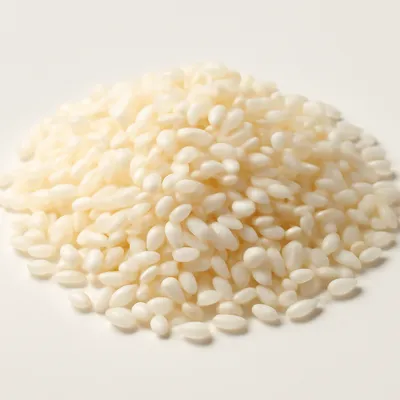
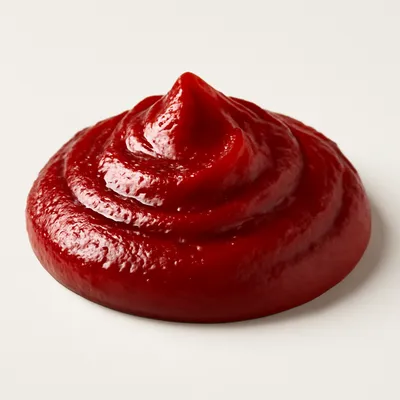
For the barley-aged form, shred the steamed fish and eat it over cold rice steeped in iced green-tea water, with green chili and ssamjang.
Archive tool suggestions — not reviewed
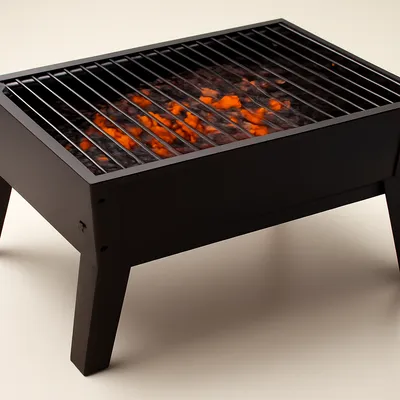
These legacy suggestions have not been evidence-reviewed and are not presented as required tools.