
A whole pig marinated in garlic, oregano, and sour-orange adobo, then slow-roasted on a spit over charcoal until the skin shatters and the meat falls apart — the soul of the island's mountain pork country.
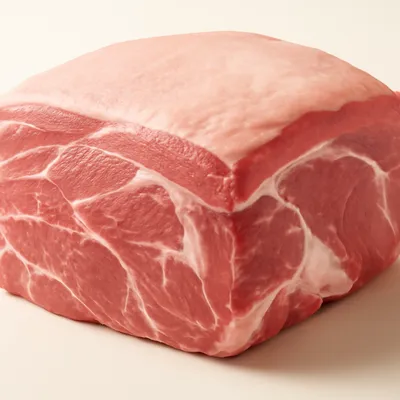

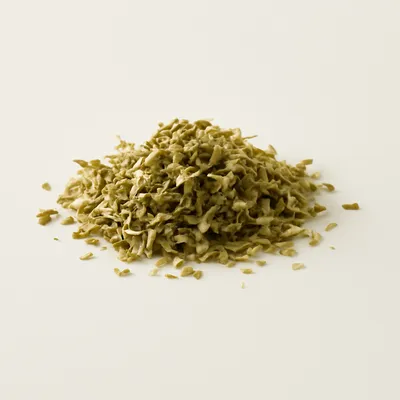


Spit-roasted pig arrived with Spanish colonists, who brought a deep tradition of pork, building on the indigenous Taíno barbacoa — slow-cooking over a raised wooden frame, the root of the word 'barbecue.' In Spanish, lechón refers to a suckling pig, but in Puerto Rico lechón asado is usually a fully grown pig, and it became something uniquely local in the cool mountain towns of the interior, above all in Guavate in the town of Cayey, where a winding road is lined with open-air lechoneras and known to all as the Ruta del Lechón, the Pork Highway. Families drive up on weekends to hop from one to the next, eating pork carved straight off the rotating spit. The whole pig is butterflied, rubbed deep inside and out with garlic, oregano, and sour orange, and turned slowly over coals for many hours until the crackling skin, called cuero or cuerito, snaps like glass.
The crackling skin breaks with an audible crunch into salty, fat-glazed shards, then the meat underneath pulls into juicy strands perfumed with garlic and oregano and brightened by sour orange. Eaten by hand at a roadside lechonera, with a squeeze of lime, it is pork at its most elemental and joyful.
The long acidic marinade both seasons deep into scored flesh and slightly tenderizes it, while low-and-slow roasting renders collagen into gelatin so the meat falls apart. A final blast of high heat dehydrates and puffs the skin, turning its fat and protein into glassy crackling through rapid rendering and Maillard browning.
Variations
Authentic versions roast a whole butterflied pig on a varita spit; home cooks use pork shoulder or fresh ham; some baste with achiote oil for color; leftovers become the filling for sandwiches and the pernil-style centerpiece of Christmas dinner.
On the Palate
Where Lechón Asado Puertorriqueño sits in the Puerto Rican flavor cloud
Ingredients
Serves 12How it's made
7 steps · 1 hour active + 1 day waiting
- 115 min
The day before, make adobo mojado: blend 2 heads of garlic, 3 tbsp dried oregano, 3 tbsp salt, 1 tbsp black pepper, the juice of 6 sour oranges (or orange + lime), and 1/2 cup olive oil into a paste.
- 215 min
Score a 5kg bone-in pork shoulder (the home stand-in for a whole pig) deeply across the skin and stab pockets into the meat. Rub the adobo into every cut and pocket.
Watch outScore the skin down through the fat but not into the meat — those cuts are where the crackling will puff and where the adobo drives deep.
- 31440 min
Cover and refrigerate at least 24 hours so the garlic and citrus penetrate the meat thoroughly.
- 415 min
Bring the pork to room temperature and pat the skin dry. Set up a charcoal grill or rotisserie for low, indirect heat around 150C.
- 5330 min
Roast skin-side up, lid closed, for 5-6 hours, replenishing coals as needed, until the internal temperature reaches 90C and the meat pulls apart easily.
Watch outKeep the fire low and steady around 150C — if it creeps up too early the skin sets hard before the meat renders, and it won't puff later.
- 625 min
Raise the heat to high (or move skin directly over coals) for the final 20-30 minutes to blister and crisp the skin into crackling.
Watch outOnly crank the heat once the meat pulls apart — the skin blisters into glassy crackling in minutes and burns in seconds, so don't walk away.
- 720 min
Rest the pork 20 minutes, then chop the crackling skin and pull the meat. Serve mixed together so every plate gets both crisp and tender.


