
Dominican-Lebanese fusion — bulgur-wheat shells stuffed with spiced ground beef, sealed into footballs, and deep-fried until the bulgur crust is golden and crackly. Brought by 19th-century Levantine immigrants to Santiago and the Cibao; now a Dominican-as-Dominican staple at fiestas and the colmado (corner store) at 5 pm.
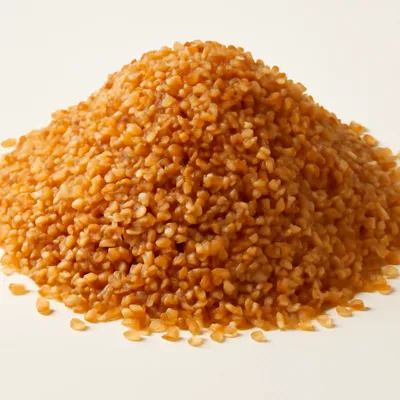
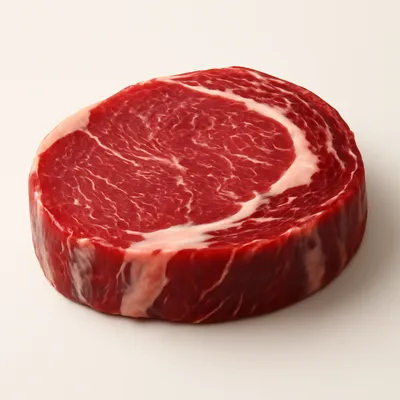


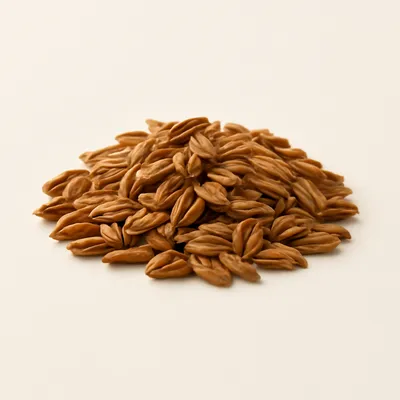
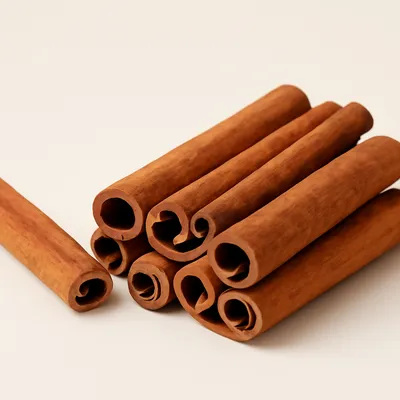
Direct descendant of Levantine kibbeh — Lebanese, Syrian and Palestinian immigrants who left the Ottoman Empire in the late 1800s and early 1900s settled across the Caribbean (locally lumped together as 'turcos,' a misnomer) and brought the dish, adapting it to Dominican tastes: beef instead of lamb (lamb isn't eaten much here), sweeter sofrito notes, onion, garlic and green olives in the filling, sometimes raisins, and the Levantine mint/cumin/pine nuts often dropped. The name 'quipe' is a Spanish phonetic rendering of 'kibbeh.' The dish is especially associated with the east and south, while the Cibao around Santiago — home to the densest Lebanese heritage in the DR — is its other stronghold.
Crust is crackly-bulgur, golden, with the grain texture visible. Bite through and the spiced beef filling spills slightly — onion and garlic underneath, often the brine of green olives and a faint sweetness from raisins; where mint is used it adds a cool lift. Smaller and lighter than Lebanese kibbeh; the Dominican proportions favor more shell, less filling. Pair with hot sauce.
Bulgur cold-soaking (not boiling) keeps the grain firm and chewy — boiled bulgur turns to mush. Kneading the soaked bulgur with raw beef creates a paste that holds shape when fried. The football shape (vs round) is structural too: the pointed ends conduct heat in faster, ensuring the filling reaches safe temp without overcooking the shell.
Variations
Quipes de pollo uses ground chicken. A sweet variant adds raisins and pine nuts to the filling, closer to the original Levantine kibbeh. Some Santiago cooks add a touch of pomegranate molasses to the meat for sour-sweet brightness — the most traditionally Levantine version. A meatless version also exists. At fiestas they're often piled on a platter beside pastelitos — the Caribbean cousin of Middle Eastern kibbeh.
On the Palate
Where Quipes sits in the Dominican flavor cloud
Ingredients
Serves 6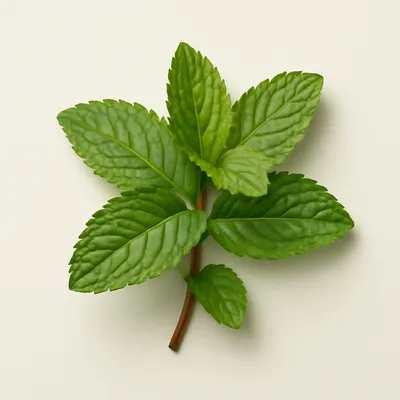


How it's made
6 steps · 45 min active + 45 min waiting
- 133 min
Shell: cover 1.5 cups fine bulgur with 2 cups cold water 30 min. Drain in fine sieve, squeeze dry.
Watch outCold-soak the bulgur, never boil it, then squeeze it bone-dry — wet or boiled grain turns the shell to mush that won't hold a shape.
- 27 min
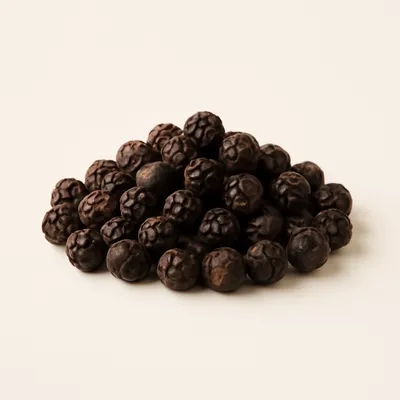
Add to bulgur: 200 g raw lean ground beef, 1 grated onion, 1 tsp salt, 1 tsp allspice, ½ tsp cumin, ½ tsp cinnamon, ¼ tsp black pepper. Knead 5 min until paste-like.
Watch outKnead the soaked bulgur with the raw beef a full five minutes until it turns paste-like and tacky — that's what binds the shell so it won't crack in the oil.
- 314 min
Filling: heat 2 tbsp oil. Sauté ½ chopped onion 4 min. Add 250 g ground beef, brown 6 min. Add 1 tsp allspice, 1 tsp cumin, salt, pepper, 2 tbsp chopped mint. Cook 3 min. Cool.
- 425 min
Wet hands. Take 2 tbsp shell mixture, form into a ball, push thumb into center, hollow into a cup. Fill with 1 tbsp filling. Pinch closed into a football shape (5 cm long, pointed ends).
- 55 min
Heat 4 cm oil to 175°C. Fry quipes 4 min per batch until deeply golden.
Watch outHold the oil at 175°C and fry to a deep gold — too cool and the shell drinks oil and splits, too hot and the outside darkens before the filling's hot through.
- 62 min
Drain on rack. Serve hot with hot sauce or lime.


