

Kibbet Samak is explicitly cited as one of the most famous traditional dishes of both Tartus and Latakia — it is the maritime answer to the kibbeh tradition that dominates inland Aleppo and the Jazeera. It demonstrates how the coastal belt substituted the sea's protein for the lamb and beef of the interior, producing a dish that is structurally identical to inland kibbeh (bulgur shell, spiced filling, fried or stewed) but flavor-distinct. It is often made with the same fish used in sayadieh, and is distinct from the plain grilled or fried whole fish the coast also serves.
The shell is crisp and faintly grainy from the bulgur, the fish within soft and clean-tasting, the spiced filling — often onion, herbs, a touch of cumin — savory but delicate. Fried, it is a crunchy-crisp contrast; stewed in tahini, it becomes silky and tangy. It carries the briny brightness of very fresh fish.
Fresh fish, when finely minced and kneaded with moistened bulgur, forms a cohesive paste because the fish's myosin proteins (released by mincing) act as a binder — the same protein-extraction principle as in a seafood sausage or quenelle. The bulgur provides structure and a slight grain. Forming and deep-frying sets the shell crisp via Maillard browning and starch gelatinization, sealing the moist interior. When stewed in tahini-citrus, the tahini emulsifies into a clinging sauce while the citric acid gently 'cooks' (denatures) the surface proteins, the same chemistry as ceviche.
Variations
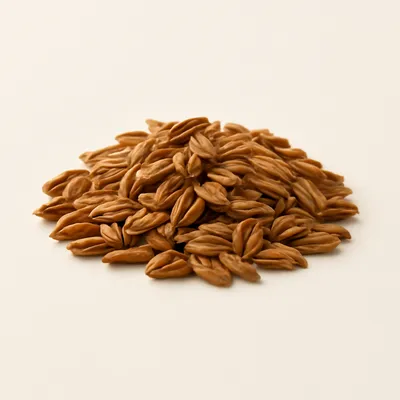
Some versions bake the kibbeh instead of frying. The tahini-stew variant is especially associated with Lent. Spices vary — some add sumac or coriander.
On the Palate
Where Kibbet Samak sits in the Syrian flavor cloud
Ingredients
Serves 4
How it's made
5 steps · 50 min
- 13 min
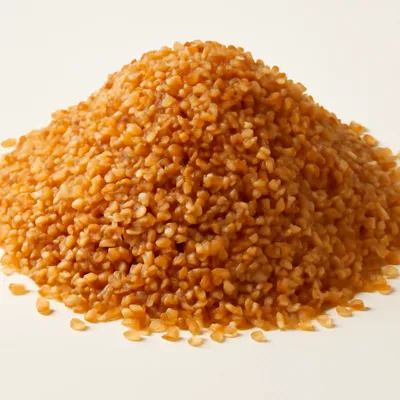
Soak 150g fine bulgur in water 20 minutes; squeeze dry through a cloth.
- 28 min
Mince 500g very fresh white fish fillets (grouper or sea bream) extremely fine by hand or in a processor (do not puree to mush); mix with the bulgur, 1 tsp salt, 1 tsp cumin, 1/2 tsp Aleppo pepper, and 1 tbsp flour to bind; knead to a cohesive, pliable paste.
Watch outMince the fish fine but stop before it purees — you want the myosin to bind into a pliable paste, not a mush that fries dense.
- 36 min
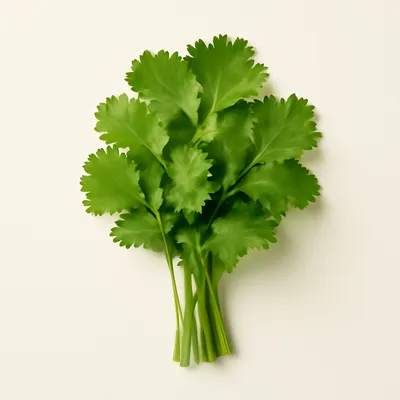
Make the filling: sauté 1 diced onion in 2 tbsp olive oil, add 200g minced fish trimmings or shrimp, 1 tsp cumin, a handful each of chopped cilantro and parsley, salt; cook 3 minutes until just set; cool.
- 46 min
Form the fish paste into 12 torpedo shapes, each hollowed and filled with a spoon of the cooked filling, sealed shut; flatten slightly.
Watch outHollow each torpedo and seal it fully around the filling — an open seam leaks the filling and lets oil in.
- 56 min
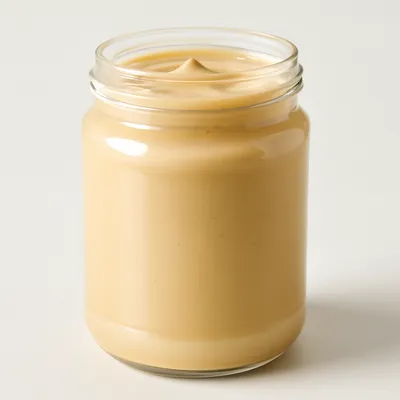
Deep-fry in neutral oil at 170°C until deep golden and crisp (5-6 minutes); drain and serve hot with tarator sauce (tahini, lemon, garlic, water blended smooth) and a wedge of lemon.
Watch outFry at 170°C to deep gold and crisp — the shell must set firm to hold the moist interior; too cool and it falls apart.


