
Durban Breyani
The Durban-Indian biryani — partially-cooked basmati rice layered with masala mutton and lentils in a sealed pot, finished by slow steam-cooking that yellow-tints the top with fried onion and saffron.
Durban breyani (the local spelling, vs Indian 'biryani') is the celebratory dish of South Africa's Indian community, whose roots trace to the indentured Indian labourers brought to Natal between 1860 and 1911. Served at weddings, Eid, and family gatherings, it differs from subcontinental biryani in the added lentil layer, the heavier use of potato, and its own Durban masala, which gives a hotter, redder result. Mutton breyani is canonical; chicken breyani is the casual version; vegetable breyani is made for Hindu fasting periods. It is typically sealed and slow-steamed dum-style (on the stovetop over low flame or coals, though some cooks finish it in the oven). Always served with sambals (chopped salad), yogurt, and dhal.
Mix from the bottom: deeply spice-stained rice, saffron grains on top, soft lentils that have absorbed the masala, mutton chunks that fall apart with light pressure, and potatoes that have taken on a yellow-orange color from the spice layer. Yogurt raita on the side; the sambals' fresh chili-onion-tomato adds acid. The central Indo-South African celebration dish.
Par-cooked rice (about a 6-min boil only) is essential: it finishes cooking in the steam phase, absorbing the curry juices instead of becoming mushy. The dum-style sealed slow cook, with the pot closed by dough or a tight lid over low heat, lets the bottom curry's steam rise through the rice layers, simultaneously cooking the rice and infusing every grain with the masala meat. Fried onion adds a caramelised note; saffron's color and aroma only fully bloom in warm liquid (the milk infusion), then disperse from the top down during the steam cook.
Variations
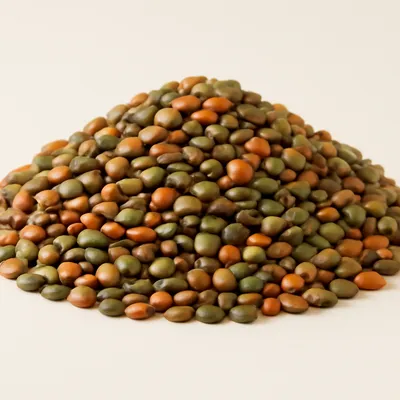
Durban Sunni Muslim breyani is treated as the canonical version; Cape Malay breyani uses more spices and is sweeter; the Tamil South African version skips the lentils; chicken breyani is the same technique with chicken; vegetable breyani uses cauliflower and chickpeas during Hindu fasts. The lentil layer is most often whole brown lentils (masoor), though some cooks use the local 'biryani dhal'.
On the Palate
Where Durban Breyani sits in the South African flavor cloud
Par-boil the rice only 6 minutes so it's firm inside, then seal the pot tight for the low dum cook — the trapped steam finishes the rice grain by grain while it drinks up the masala, giving fluffy separate grains instead of mush.
Ingredients
Serves 8

















How it's made
5 steps · 1 hour 30 min active + 1 hour 30 min waiting
- 165 min
Marinate 1kg mutton (lamb shoulder, cubed) in 200ml plain yogurt, 1 tbsp ginger-garlic paste, 1 tbsp Durban curry powder, 1 tbsp garam masala, 1 tsp turmeric, 2 chopped chilies, 1 tsp salt, juice of 1 lemon. Rest 1 hour.
- 217 min
Soak 100g brown lentils (masoor dal) in cold water 30 min. Drain. Boil 15 min until just tender; drain.
- 360 min
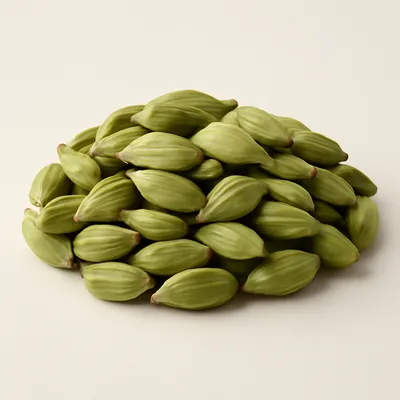
Fry 3 thinly-sliced onions in 4 tbsp oil over medium heat 12 min until deep golden-brown. Reserve half for layering. Keep half in the pan; add the marinated mutton + 4 cubed potatoes + 2 chopped tomatoes + 4 cardamom pods + 1 cinnamon stick. Cover with 250ml water; simmer covered 45 min.
- 410 min
Meanwhile, par-boil 500g basmati rice in salted water 6 min only — should be barely tender outside, still firm inside. Drain. Steep 1 tsp saffron threads in 2 tbsp warm milk.
Watch outRice grains should snap firm when bitten, tender only at the very edge — that's the 6-minute mark.
- 560 min
In a heavy pot or Dutch oven: layer one-third rice, then lentils, then mutton + sauce, then another third rice, then more lentils, then final rice. Drizzle saffron-milk over the top; scatter reserved fried onions. Cover tightly with foil + lid. Place over very low heat (or in 160°C oven) 45 min. Rest 10 min before opening. Mix gently from the bottom up to serve.
Watch outLayer in order and don't pack down; after resting, lift gently from the bottom so the grains stay whole.
Archive tool suggestions — not reviewed
These legacy suggestions have not been evidence-reviewed and are not presented as required tools.



