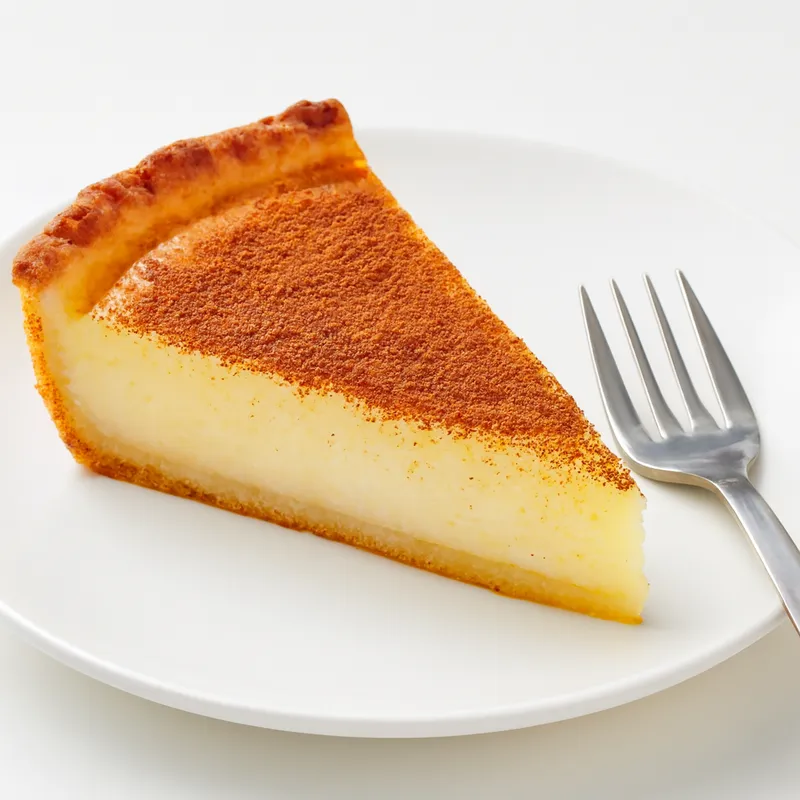
A fragrant chicken curry enriched with Cape Malay spices and a hint of sweetness from apricot jam.
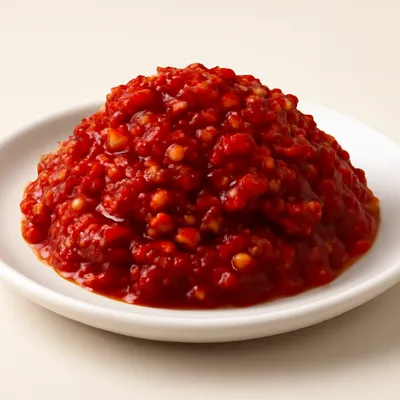
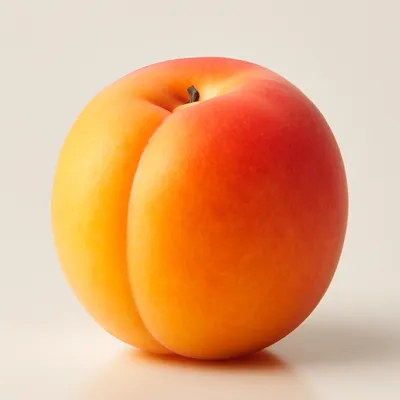
A dish of the Cape Malay community of Cape Town. After the Dutch East India Company founded a supply station at the Cape of Good Hope in 1652, it brought people from Southeast Asia — mostly the Indonesian archipelago, but also Ceylon (Sri Lanka), South Asia, East Africa and Madagascar — as enslaved people and political exiles over the next two centuries; they settled around what is now Cape Town's colourful Bo-Kaap quarter and formed today's Cape Malay people. ('Malay' is a loose historical label, owed more to the Malay lingua franca than to strict ethnicity.) These cooks carried Southeast Asian spice instincts but worked with the Cape pantry — local apricots, brown sugar, vinegar — reshaping home techniques into a Cape style. The now-common spoon of apricot jam is usually traced to 19th-century British colonial preserves, when bottled jam entered Cape households; fresh apricots or plain sugar are also used, so the jam is one common form of the sweetness rather than the only one.
Developed at the Cape from the 17th century by enslaved and exiled Malay-Indonesian cooks working with local apricots, brown sugar, vinegar. The apricot-jam fix dates to 19th-century British colonial preserves and is now the regional signature.
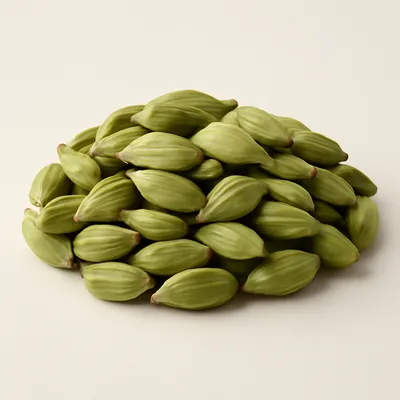
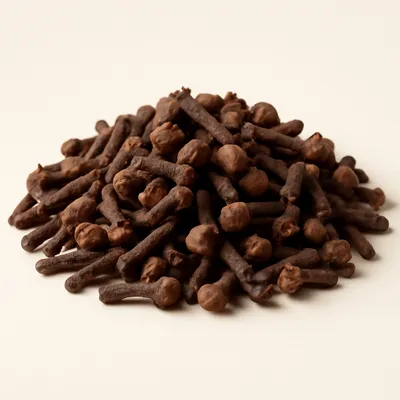
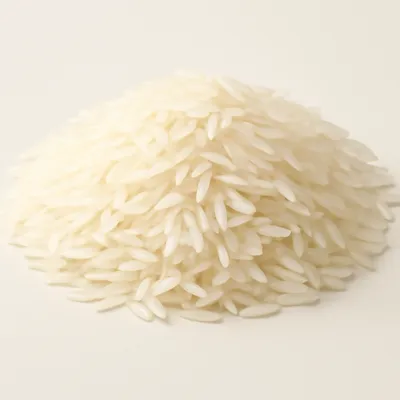
A mild, mahogany-brown curry: bone-in chicken in a sauce thickened by long-cooked onion and a spoon of apricot jam. Cinnamon stick, cardamom, and clove read on the tongue before the chili does. Served over yellow rice with raisins, with a side of sambal and chutney. A Cape Malay curry is sweeter than its Indian parent — the jam isn't a gimmick, it's the regional signature.
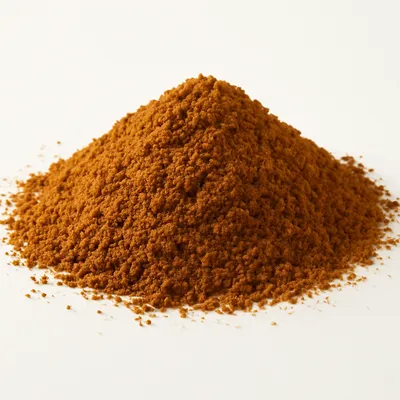
Cape Malay curry leans on whole spices — cinnamon stick, cardamom, clove, star anise, fennel — for fragrance rather than heat, and a touch of fruit or sugar (often a spoon of apricot jam) for its faint sweetness. Practice varies on the spices: some cooks bloom the whole spices in oil with the onion first, while others simply drop them in whole to perfume the pot over a long simmer — the point is whole spices releasing their aroma slowly, not ground masala dumped in late. The fruit sweetness rounds the dish and lightly bodies the sauce, balancing a deliberately mild chili. This is what makes it aromatic rather than fiery — the opposite register to a hot Indian curry.
Variations
Bo-Kaap home benchmark with apricot jam and whole spices; Faldela Williams's cookbook version is the canonical printed take; chicken-and-potato weeknight version; restaurant Bo-Kaap Kombuis serves it with yellow rice, sambal, and roti.
On the Palate
Where Cape Malay Chicken Curry sits in the South African flavor cloud
Ingredients
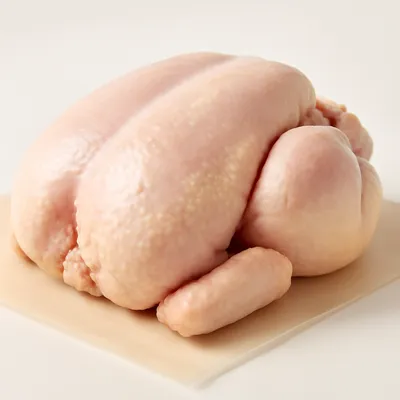


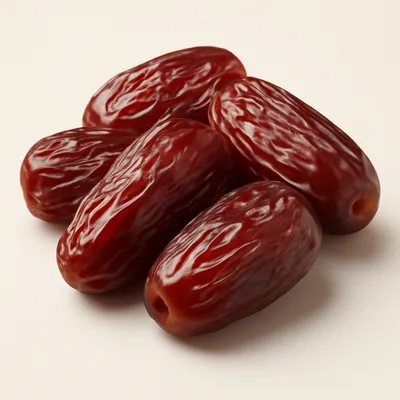


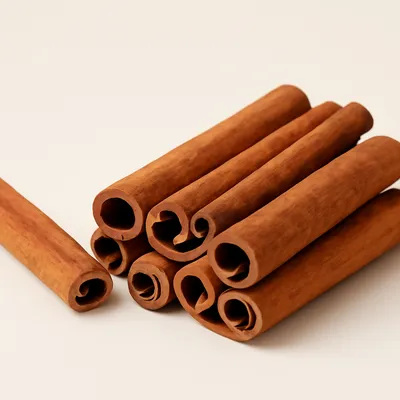







How it's made
5 steps · 1 hour 30 min
- 121 min
Fry onion and Cape Malay curry powder until aromatic.
Watch outFry the onion and whole spices slowly until they perfume the pot and the onion goes soft-gold — you're coaxing aroma out, not browning masala.
- 213 min
Add chicken pieces and brown them.
- 38 min
Mix in tomatoes, coconut milk, cinnamon, and cardamom.
- 48 min
Stir in apricot jam and potatoes.
- 540 min
Simmer until chicken is cooked through and sauce is thick.
Watch outSimmer until the chicken is cooked through and the sauce bodies up — the apricot jam should leave it glossy and lightly thick, not watery.
Archive tool suggestions — not reviewed
These legacy suggestions have not been evidence-reviewed and are not presented as required tools.