


Cape Malay South African
Bobotie: spiced-mince egg-custard.
Bobotie
A Cape Malay dish made with spiced minced meat baked with an egg-based topping
View page →Cape Malay cuisine is the food of the Cape Coloured Muslim community — descendants of enslaved people brought from Indonesia, Malaysia, Sri Lanka, and Madagascar to the Dutch Cape Colony from the 1650s. The cuisine is fragrant with curry leaves, cardamom, fennel, turmeric, and ginger — Southeast Asian techniques applied to Cape ingredients. Bobotie is the iconic dish: spiced minced lamb (curry, turmeric, cinnamon) baked with a turmeric-egg custard on top and bay leaves poking out. Bredies are slow-cooked stews — waterblommetjie (Cape pond weed) bredie, tomato bredie, green bean bredie. Samoosas (smaller and crispier than Indian) are the snack everywhere. Koeksisters are syrup-soaked twisted donuts. Milk tart is the regional dessert. The cuisine is the most-fragrant of South African regional kitchens and uniquely preserves Indonesian-Malay techniques in Africa.
Start Here
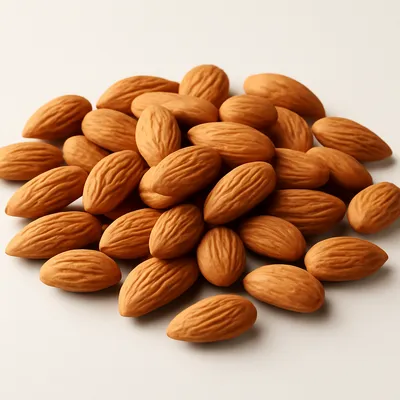
Spiced minced lamb (curry powder, turmeric, cinnamon, raisins, almond) baked in a casserole, topped with a turmeric-and-egg custard, bay leaves poking through. Served with yellow rice and chutney.
Why start here · Bobotie is Cape Town in a dish — the Indonesian curry-spice on Dutch-colonial minced meat is the 350-year-old Cape Malay fusion. The egg custard top is the signature.
Snoek or yellowtail fish lightly fried, then layered with onions and a turmeric-curry-vinegar pickle, refrigerated 24+ hours before serving. The Good Friday Cape Town tradition.
Why start here · Pickled fish is the Easter dish in every Cape Malay home. The 24-hour marination is the technique; the curry-vinegar balance is the family signature.
The Pantry



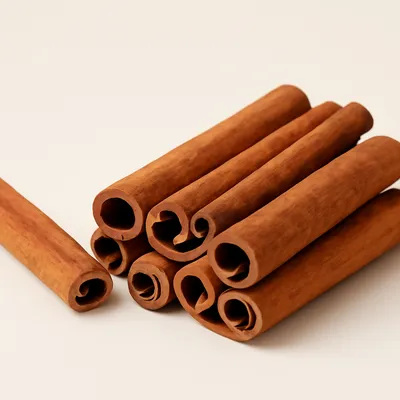
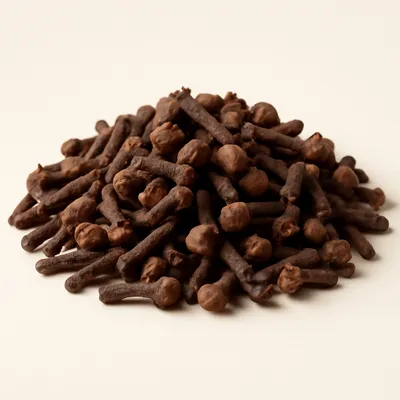



See all 50 ingredients›

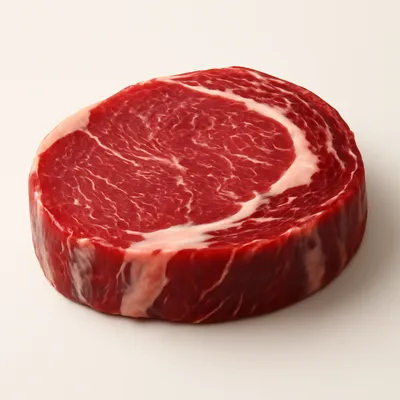


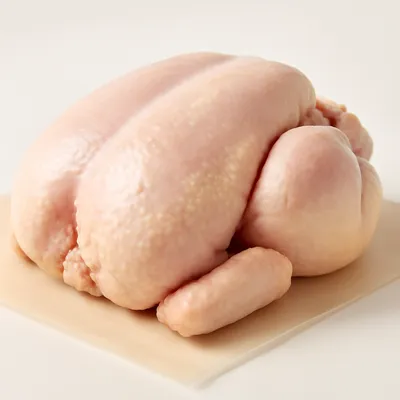




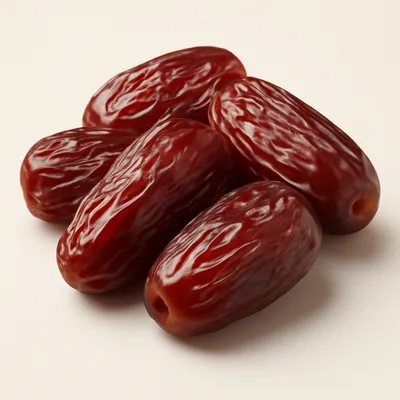
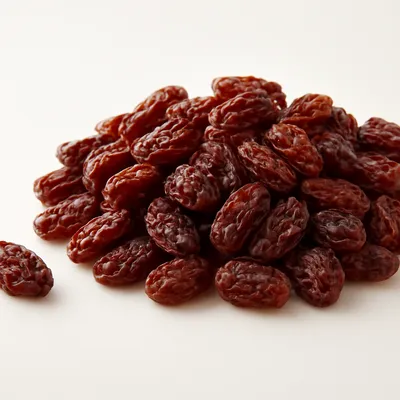
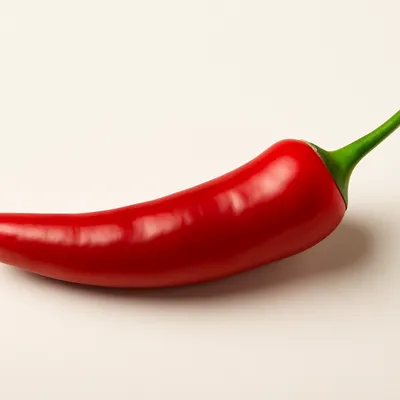
Herbs & Spices



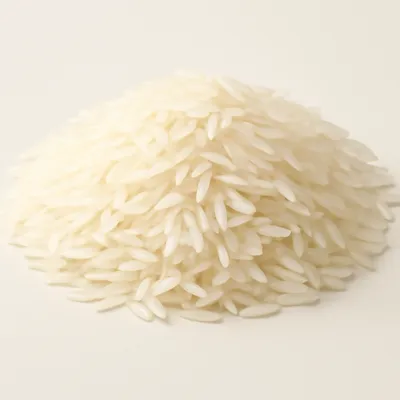


Dairy & Fats



Sauces & Condiments

How They Cook
Techniques that define this cuisine
Other regions
Siblings within South African — each its own tradition.
