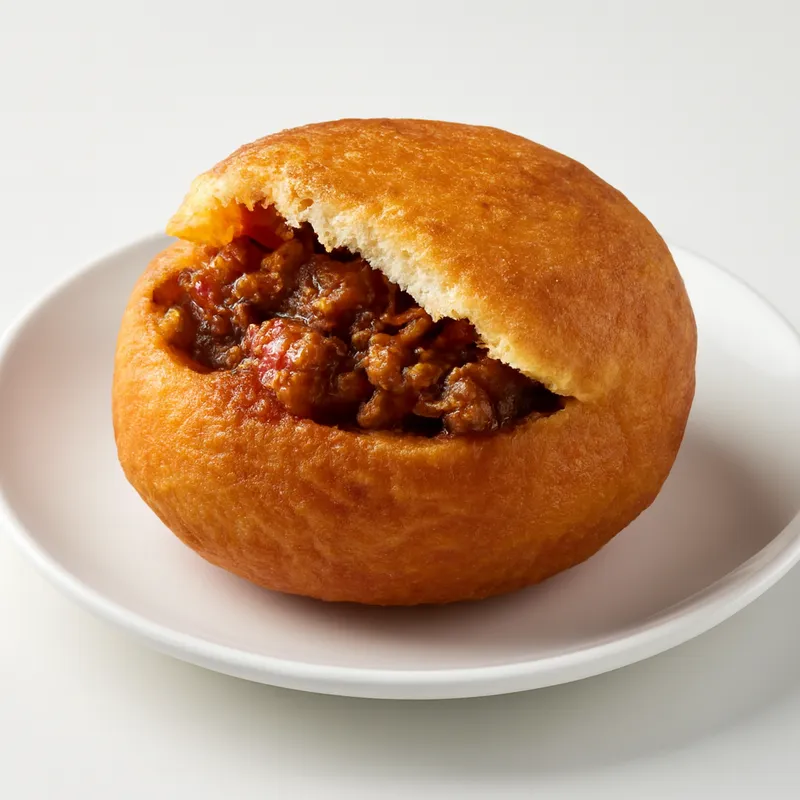
South African township tripe stew — cow stomach (often with trotters or other offal) scrubbed and slow-simmered for hours with onion, chili, and spice until the tripe is meltingly soft and the broth turns rich and gelatinous. A cheap, beloved, nose-to-tail working-class comfort dish, eaten with stiff maize-meal pap or samp, especially at weekends and gatherings.





Mogodu (called 'tripe' on English-language menus) is a cornerstone of Black South African home cooking, eaten across Zulu, Xhosa, Sotho, and Tswana communities and especially associated with township weekends — in Soweto, Mamelodi, and Khayelitsha. It belongs to a deep tradition of nose-to-tail offal cookery: cleaned tripe (and intestines, trotters, and other 'cheap' cuts that many discard) transformed by long, patient simmering and generous spice into a rich, savoury meal. Whether this whole-animal eating reflects pre-colonial custom or apartheid-era thrift — when Black families priced out of prime cuts cooked the offal butchers sold cheap — is genuinely debated; many South Africans reject the 'struggle food' framing and insist eating the whole beast is heritage, not poverty. Today mogodu is a shisanyama (informal grill-restaurant) staple, sitting alongside ox tongue, ox liver, and chicken feet, and served at weekends and celebrations. When intestines are added it becomes mala mogodu ('mala' meaning the insides in Sotho/Tswana).
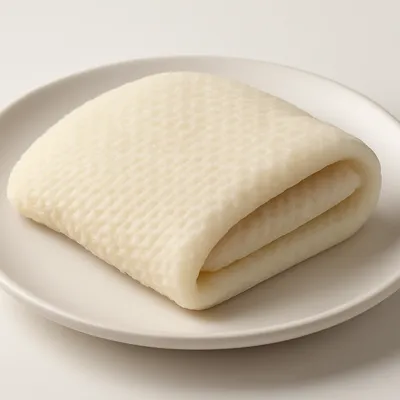
Mogodu is a deep orange-red stew, thick enough to cling to a spoon, studded with pieces of honeycomb-textured tripe. The tripe is the tell: meltingly soft after its long simmer yet pleasantly springy, its tiny ridges holding pockets of the chili-rich gravy so each bite releases a burst of sauce, with a slippery, gelatinous give underneath. The broth itself cooks down rich and gelatinous, its heat carrying the warmth of onion and spice. Spoon it over stiff maize-meal pap or samp — the dense starch soaks up the chili oils — and eat the two together: soft, spicy, and silky in one mouthful.
Tripe is collagen-rich connective tissue — it needs long, low-heat cooking (about 2–3 hours) for the collagen to hydrolyse into gelatin, otherwise it stays rubbery. Before the main simmer it is usually scrubbed clean and pre-boiled with salt (and often vinegar) to strip the strong smell and partly denature the proteins so it tenderizes faster. Over the long, gentle cook the onion melts into the broth, the chili's capsaicin penetrates the connective tissue, and as gelatin leaches out the whole pot thickens into a glossy, lip-coating gravy.
Variations
Soweto-style mogodu runs hot and tomato-heavy with plenty of chili; Eastern Cape versions lean more towards curry, using curry powder, turmeric, and paprika. Cooks often add cow's-foot trotters for extra gelatin and a thicker broth. It is most often served with pap or samp, frequently alongside a dish of spicy vegetable relish. Adding intestines turns it into the meatier, richer mala mogodu; a meatless version swaps oyster mushrooms into the same sauce.
On the Palate
Where Mogodu sits in the South African flavor cloud
Ingredients
Serves 6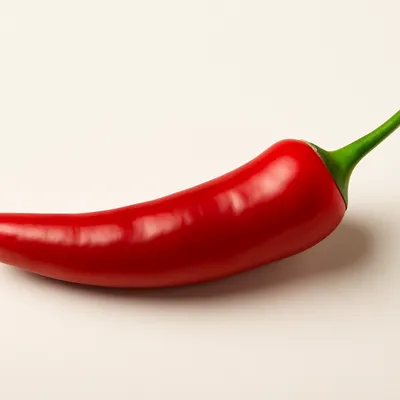




How it's made
5 steps · 45 min active + 3 hours 15 min waiting
- 135 min
Clean 1kg beef tripe thoroughly: scrub with salt and vinegar, rinse multiple times. Cut into 5cm squares. Place in a pot with cold water and 1 tbsp salt; parboil 30 min. Drain. (Tripe smell will be greatly reduced.)
Watch outAfter the parboil the water goes cloudy and the sharp smell drops off noticeably.
- 2170 min
Return tripe to clean pot. Cover with 2L fresh water, add 2 bay leaves, 1 tsp peppercorns. Bring to boil; simmer covered 2-3 hours until tripe is fork-tender. Drain, reserve 500ml liquid.
Watch outThe tripe is done when a fork slides in with no resistance and the edges look gelatinous.
- 310 min
In a wide pan, heat 3 tbsp oil. Sauté 2 chopped onions with 4 minced garlic cloves until golden, 8 min.
- 44 min
Add 1 tbsp peri-peri sauce (or 2 chopped bird's-eye chilies), 1 tbsp curry powder, 1 tsp salt, 1 tsp pepper, 1 tsp paprika. Cook 2 min until fragrant.
- 527 min
Add tripe, 400g canned chopped tomatoes, 250ml reserved tripe liquid, 1 tbsp Worcestershire sauce. Simmer uncovered 25 min until sauce thickens and clings to tripe. Adjust salt. Serve with stiff white pap and Chakalaka.
Watch outThe sauce is ready when it thickens enough to coat the tripe rather than run off it.
Archive tool suggestions — not reviewed
These legacy suggestions have not been evidence-reviewed and are not presented as required tools.