A distinctive Bihar (and UP, Bengal) dessert in which the humble pointed gourd (parwal) is hollowed, blanched, candied in sugar syrup, and stuffed with a rich paste of khoya, powdered sugar, and nuts. A vegetable turned into a royal-looking sweet, it is made for festivals like Chhath and Diwali and for weddings.


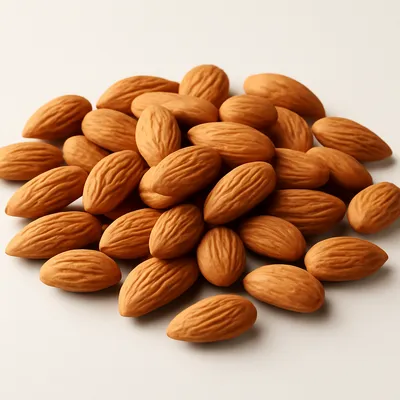
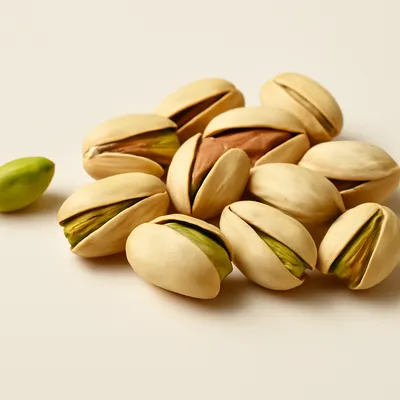
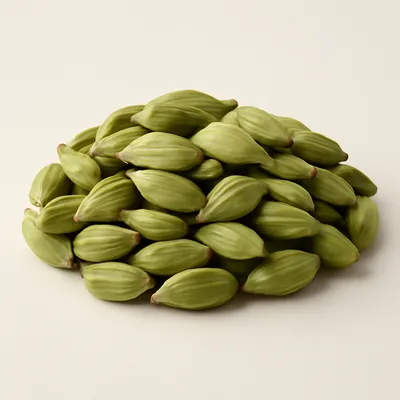

Parwal ki mithai is a stuffed sweet of Bihar, eastern Uttar Pradesh (especially Varanasi), Jharkhand, and West Bengal, in which the pointed gourd (parwal, parval) is turned into a festive dessert by candying it and stuffing it. The dish is a piece of culinary ingenuity: a savory vegetable, hollowed of its seeds, blanched to remove bitterness, boiled in sugar syrup until translucent and candied, and then filled with a rich mixture of khoya (reduced milk solids), powdered sugar, chopped nuts, cardamom, and sometimes a drop of kewra water. It belongs to the wider North Indian festive-mithai tradition that elevates humble ingredients through elaborate technique, and it is most closely associated with Bihar, where it sits alongside khaja, anarsa, and tilkut as a regional sweet. The dish is made for Chhath Puja, Diwali, and weddings, often finished with a silver leaf (vark) and a slice of pistachio on each piece. The 'shahi' (royal) character comes entirely from the khoya-and-nut stuffing; the candied parwal is the delicate, edible shell.
A soft, translucent, syrup-soaked gourd shell giving way to a dense, creamy, nutty khoya center — sweet, faintly vegetal, perfumed with cardamom and kewra.
Two transformations make the dish possible. First, the parwal is de-bittered and softened: blanching in water with a pinch of baking soda or edible lime both ruptures the cells that hold the bitter cucurbitacin compounds and softens the gourd's cell walls, so it can be hollowed and candied without collapsing. Second, the candying — boiling the gourd in sugar syrup — does two things: it displaces the water in the gourd's cells with sugar (osmosis, through the cell walls), which preserves the gourd and gives it the translucent, jewel-like appearance, and it concentrates the sugar past saturation so the syrup sets into a glossy coating on cooling. The khoya-nut stuffing is added after candying, so it stays dense and creamy rather than dissolving into the syrup; the contrast of soft, sweet, translucent vegetable and dense, rich filling is the dish's point. The silver leaf is decorative, applied last.
Variations
A Bengal variant uses chhana (fresh curd cheese) in the stuffing; some add a thread of saffron or a glace cherry on top, and the syrup is sometimes flavored with rose.
On the Palate
Where Parwal Ki Mithai sits in the Indian flavor cloud
Ingredients
Serves 6How it's made
6 steps · 30 min
- 16 min
Wash pointed gourds, slit lengthwise without cutting fully apart, and remove the seeds and pith.
- 25 min
Blanch the gourds in water with a pinch of baking soda until just softened, then cool in cold water.
Watch outBlanch the gourds with a pinch of baking soda just until softened — this both de-bitters them and softens the walls so they can be hollowed without collapsing; overdo it and they fall apart.
- 315 min
Cook sugar and water to a sticky syrup, add the gourds, and simmer until translucent and candied.
Watch outSimmer in the syrup until the gourds turn translucent and candied — that jewel-like clarity means the sugar has replaced the water inside; opaque and it isn't set.
- 44 min
Lift out and let drain; gently press to remove excess syrup.
- 58 min
Roast khoya lightly, then mix with powdered sugar, chopped nuts, cardamom, and a drop of kewra water.
- 64 min
Stuff each candied gourd with the khoya mixture, garnish with silver leaf and pistachio, and serve.
Archive tool suggestions — not reviewed
These legacy suggestions have not been evidence-reviewed and are not presented as required tools.