Tala Hua Gosht is Hyderabad's trademark fried mutton — bone-in pieces slow-cooked in their own juices until tender, then transferred to a flat tawa and fried dry in a minimal amount of oil over high heat until each piece develops a crackling, spice-crusted exterior. Paired with khatti dal and baghara khana, it anchors the Hyderabadi table at Eid and wedding feasts.
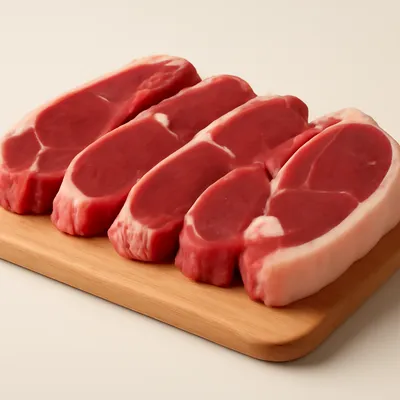


Tala Hua Gosht — Urdu for 'fried meat' — emerged from the Deccani culinary tradition shaped successively by the Bahmani Sultanate, the Qutb Shahi dynasty, and the Nizams of Hyderabad, whose line began with Asaf Jah I in 1724. It is given prominence at Eid-ul-Adha, when freshly slaughtered mutton is cooked with maximum simplicity to honor the quality of the meat. Its distinctiveness lies in a two-step method: whole spiced meat is first simmered in a sealed vessel — a form of dum — before being finished over fierce heat, concentrating flavor while conserving fuel in the large royal kitchens. Rarely found in restaurants, it remains a hallmark of Hyderabadi home cooking.
Tala Hua Gosht is a study in textural contrast: the exterior is dry, spice-encrusted, and satisfyingly crisp; the interior yields in one pull, releasing juices that carry the heat of whole cumin, the warmth of cinnamon, and a low green chilli hum. There is no gravy — the essence of the braise clings to the browned surface, and the sharpness from mustard oil (in the traditional Hyderabadi version) gives a pungent, almost bitter edge that cuts through the richness.
The two-step method exploits two distinct thermal regimes. In the first phase, gentle simmering (80–90°C) under light pressure hydrates the collagen in the mutton's connective tissue, converting it to gelatin and making the muscle fibers tender without significant moisture loss. In the second phase, high-heat pan-frying (180–200°C) drives the Maillard reaction across the now-dry surface — amino acids and reducing sugars recombine into hundreds of brown, aromatic compounds that form the crust. Because the meat is already cooked internally, frying is brief — limiting fat absorption while maximising surface browning. Any residual cooking liquid reduces to a concentrated spice-glaze on the meat's surface during the frying stage.
Variations
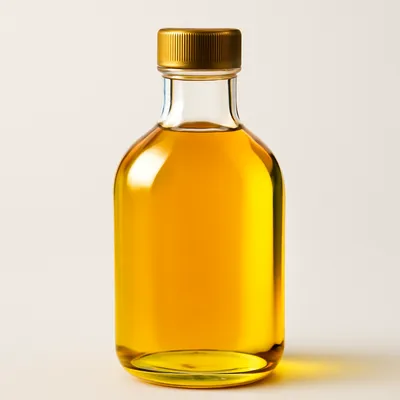
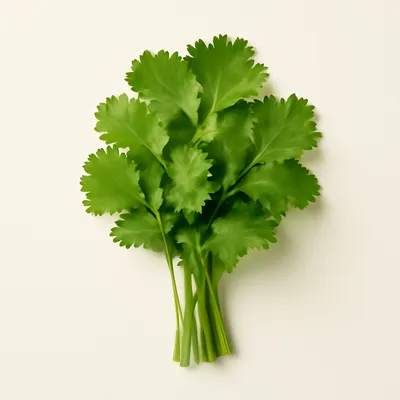
Harimirchwala Tala Hua Gosht (literally 'green-chilli fried meat') floods the spice base with green chillies and fresh coriander, turning the dish vibrantly herbaceous. A tawa gosht variation uses beef in place of mutton — equally popular in the Old City. Some households marinate in yogurt overnight before the first cook, producing a slightly more tender interior. Mustard oil is traditional; neutral oil yields a cleaner-tasting but less pungent result.
On the Palate
Where Tala Hua Gosht sits in the Indian flavor cloud
Ingredients
Serves 4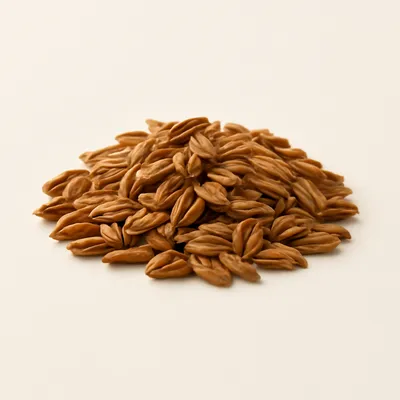
How it's made
7 steps · 30 min
- 15 min
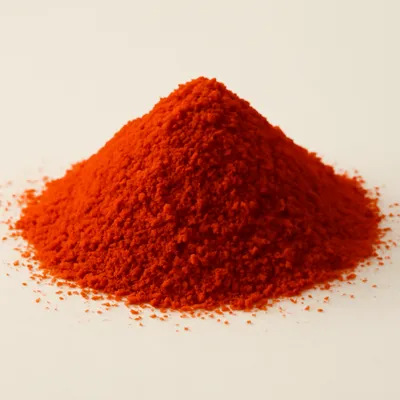
Cut 600g bone-in mutton into medium pieces; combine with 1 tsp turmeric, 2 tsp red chilli powder, 1 tbsp ginger-garlic paste, 2 black cardamom pods, 4 cloves, 1 small cinnamon stick, salt, and 300ml water in a heavy-bottomed pot.
- 230 min
Cover tightly and cook over medium-high heat, effectively creating a dum environment, for 30 minutes until the mutton is tender and only a small amount of spiced liquid remains.
Watch outKeep it tightly covered until the mutton's tender and only a little spiced liquid's left — that trapped steam cooks the meat through before you fry it.
- 38 min
Uncover and increase heat to high. Stir and allow the remaining liquid to reduce to a glaze, coating each piece — approximately 8 minutes.
- 412 min
Drizzle 3 tbsp mustard oil (or neutral oil) over the glazed mutton. Fry over high heat, turning pieces frequently with tongs, until each piece develops a deep reddish-brown crust — 10–12 minutes.
Watch outFry over high heat, turning often, until each piece takes on a deep reddish-brown crust — that dry, dark crust is the whole point of the dish.
- 52 min
Reduce to medium heat. Add 2 sliced green chillies and 1 tsp cumin seeds; toss everything together for 2 minutes to bloom the seeds.
- 61 min
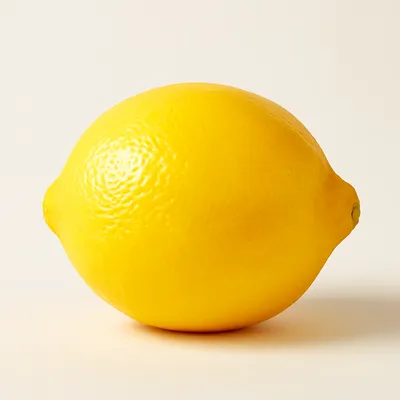
Squeeze half a lemon over the top and scatter chopped coriander leaves.
- 72 min
Serve immediately — the dish loses its crispness quickly — alongside khatti dal and plain basmati rice.
Watch outServe the moment it's done — the crust softens fast, so it loses its crisp within minutes of sitting.


